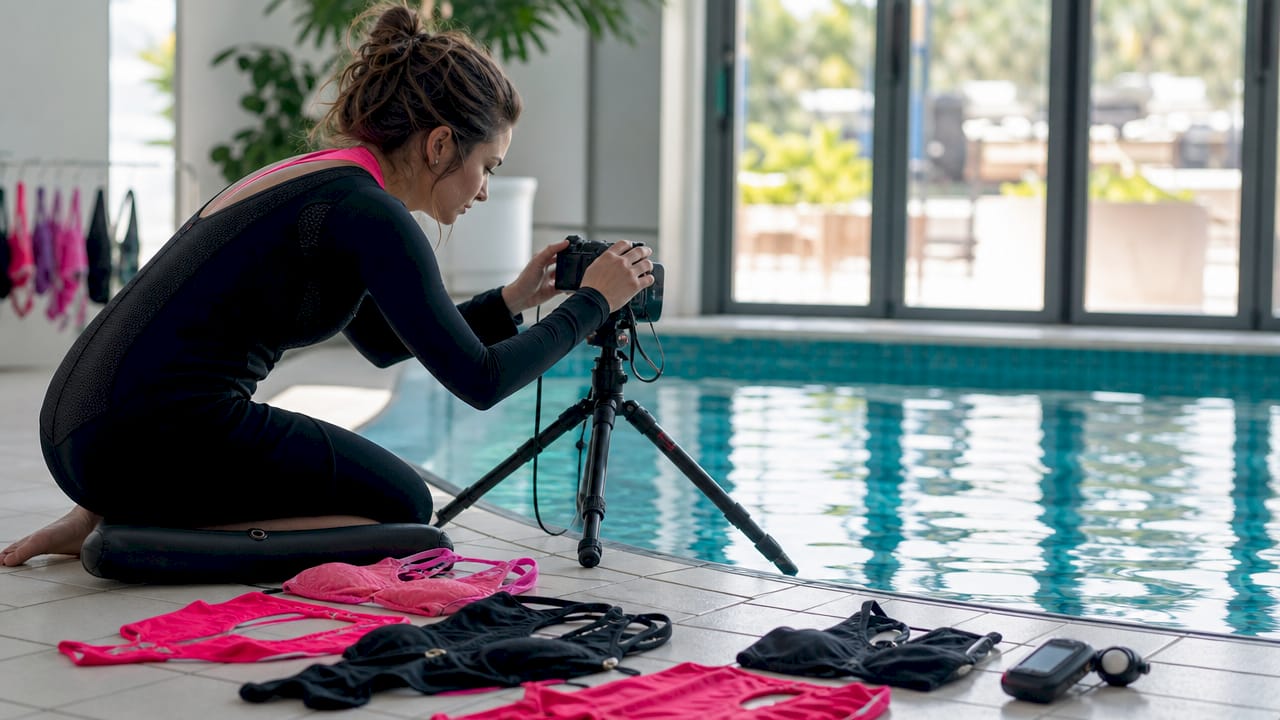
Underwater photography swimwear is apparel selected specifically to create visually compelling images beneath the surface, prioritizing fabric flow, color vibrancy, and model comfort over standard swimwear performance. This is not a formal product category with industry standards. It is a stylistic discipline where custom wardrobes with flowing fabrics replace off-the-shelf swimwear to achieve the fluid, surreal look that defines great aquatic photography. The right choice of swimwear for underwater shoots directly shapes the mood, movement, and marketability of every image. Whether you are planning your first pool session or preparing for a commercial campaign, understanding what to wear for underwater photography is the foundation of every successful shot.
What is underwater photography swimwear and why does it matter?
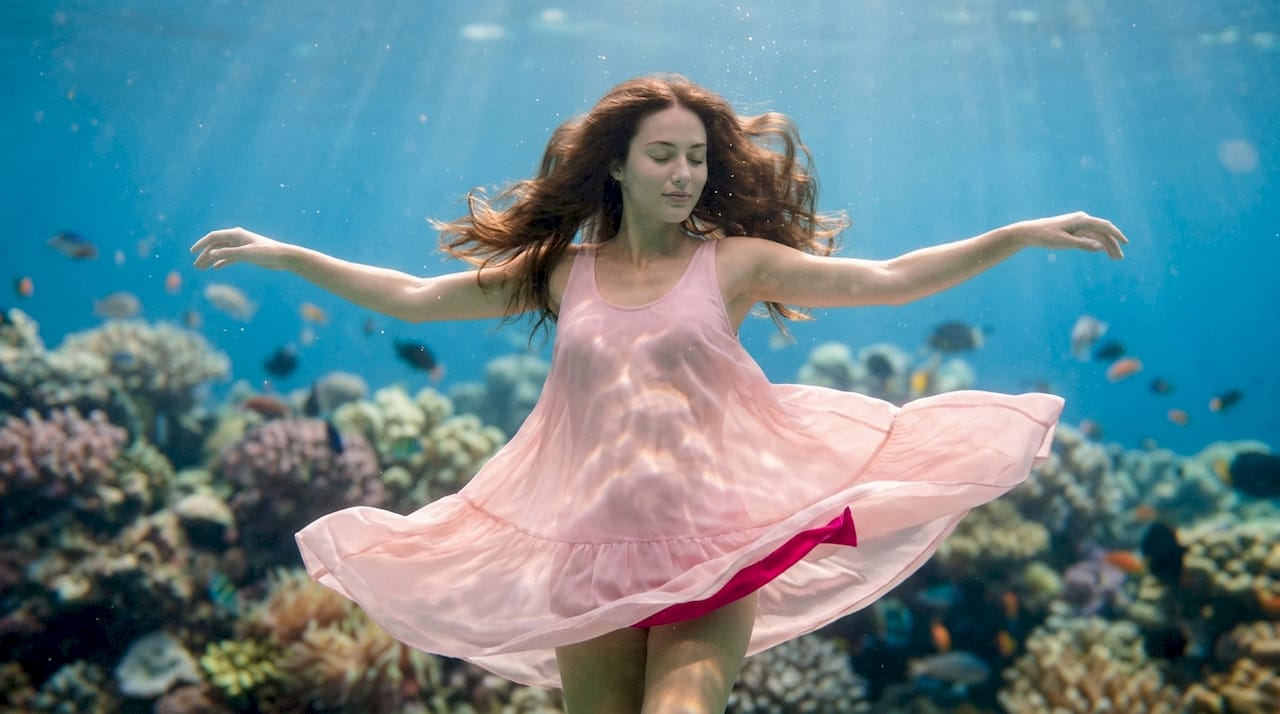
Underwater photography swimwear is defined by one core requirement: the garment must move beautifully in water. Standard swimwear is engineered to stay in place and resist drag. Swimwear chosen for aquatic shoots does the opposite. It floats, billows, and trails through the water column to create the ethereal, weightless aesthetic that photographers and brands seek.
Professional shoots use custom wardrobes with flowing fabrics and fitted designs optimized for water movement rather than standard swimwear. That distinction matters because a garment that performs well on a beach can look stiff, heavy, or shapeless underwater. The visual storytelling in aquatic photography depends entirely on how the fabric interacts with water currents and the model’s movement.
Underwater photography also serves a commercial purpose. Authentic brand stories built through aquatic shoots show swimwear performing in real water, which builds consumer trust beyond studio images. That is why brands invest in curated underwater photography gear and wardrobe selections rather than pulling pieces off a standard rack.
How does fabric choice affect movement and visual impact?
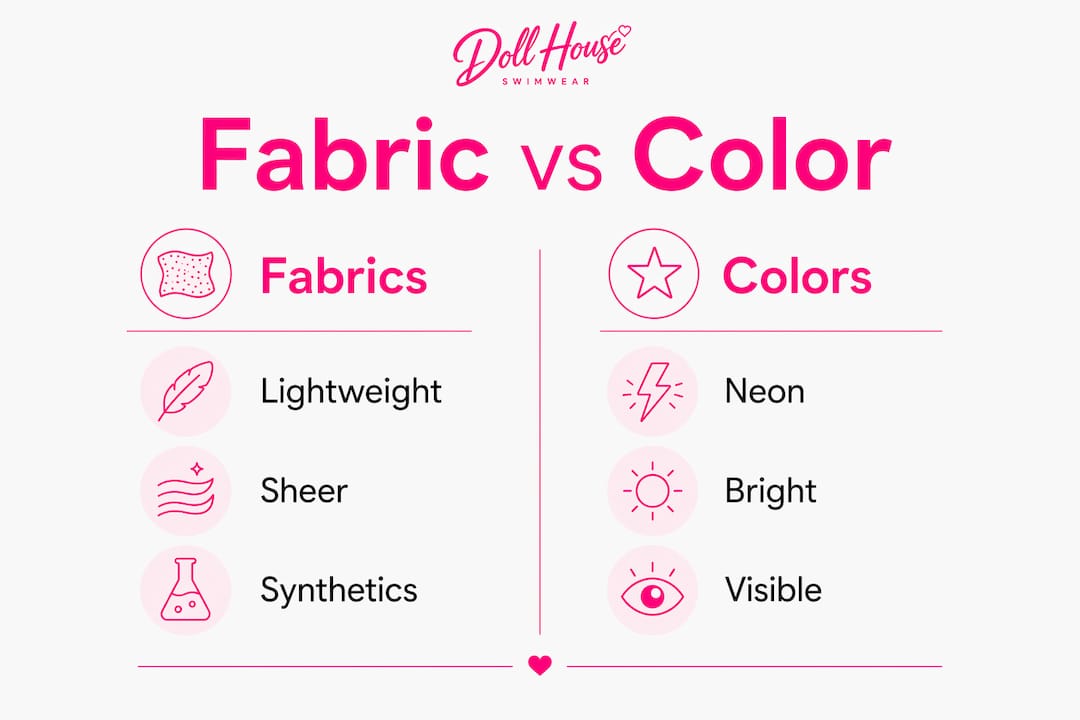
Fabric is the single most important variable in underwater photography swimwear. Lightweight synthetics that float and flow create the ethereal, weightless look that defines great aquatic images. Heavy or non-flowing materials sink or cling to the body, eliminating the dynamic silhouette that makes underwater photos compelling.
The best fabrics for underwater shoots share three qualities:
- Lightweight synthetics such as chiffon, polyester mesh, and sheer nylon float freely and catch water currents to create trailing, cloud-like effects.
- Porous open-weave materials allow water to pass through, which creates movement rather than resistance.
- Fitted base layers like one-piece suits or bikini sets anchor the look while additional flowing layers add visual drama above them.
Fabrics to avoid include denim, cotton, and neoprene. Cotton absorbs water and becomes heavy within seconds. Neoprene resists flow entirely and dulls the image effect by holding its shape rather than responding to movement. Denim adds weight that pulls a model downward and creates an unflattering, rigid silhouette.
Understanding swimwear fabric performance in water helps you make smarter choices before the shoot, not after you are already in the pool. Cut and design matter as much as fabric type. Long trailing skirts, asymmetric hemlines, and layered sheer panels all create depth and movement that a standard bikini bottom cannot replicate.
Pro Tip: Test your chosen fabric in a bathtub or shallow pool before the shoot. Watch how it moves when you wave your hand through the water. If it floats and trails, it will photograph beautifully. If it sinks or clings, swap it out.
What colors work best for underwater photography?
Color selection for underwater swimwear serves two purposes: aesthetics and safety. Both matter, and they sometimes point in opposite directions.
Water absorbs light in a predictable sequence as depth increases. Reds and oranges fade first, losing their warmth and turning gray or brown at relatively shallow depths. Blues and whites can disappear into the background of natural water environments. Neon colors retain vibrancy and contrast underwater better than any other palette, which makes them the top choice for both artistic and safety-focused shoots.
| Color Category | Underwater Appearance | Best Use Case |
|---|---|---|
| Neon orange, green, yellow | High visibility, retains vibrancy | Safety-first shoots, commercial work |
| Bright white | Reflects light well in clear water | Pool shoots with artificial lighting |
| Deep red, coral | Fades to gray-brown at depth | Avoid for color accuracy |
| Navy, dark blue | Blends into natural water | Silhouette-only artistic shots |
| Black | Disappears in low light | Dramatic silhouette effects only |
Dark or camouflage-like swimwear colors pose real safety risks by blending into water and appearing like debris or shadows. That risk is highest in open water or murky pool conditions where visibility is already reduced. Neon orange, green, and yellow test as the highest-visibility colors in water. That finding applies directly to underwater photography: the colors that keep a swimmer visible also photograph with the most punch.
For artistic silhouette work, dark colors serve a specific purpose. A black one-piece against a bright, lit surface creates a clean, graphic silhouette with no distracting detail. That technique works well in pools with strong overhead lighting. For commercial swimwear shoots where color accuracy matters, bright and neon tones are the clear choice.
Pro Tip: Shoot a quick test frame before committing to a full session. Colors that look vivid on the pool deck can shift dramatically once the model is two feet below the surface. Adjust your wardrobe selection based on what the camera actually captures, not what your eyes see above water.
How do you prepare for an underwater photo shoot?
Preparation for an underwater shoot goes beyond selecting the right swimwear. Comfort, breath control, and fit all directly affect image quality. A model who is uncomfortable or struggling with buoyancy cannot produce the relaxed, fluid poses that make underwater photography work.
Follow these steps to prepare effectively:
- Select swimwear that fits securely. Loose straps or ill-fitting tops shift underwater and look messy unless managed by skilled models and photographers. A secure base layer gives the model confidence and keeps the look intentional.
- Practice breath holds before the shoot. Models hold their breath for each underwater sequence. Comfort with breath control directly affects how relaxed and natural the poses look. Start with short holds and build duration gradually.
- Test fabric buoyancy in advance. Some lightweight fabrics float to the surface rather than trailing behind the model. Weighting the hem with small sewn-in weights or choosing denser sheer fabrics solves this problem before it ruins a shot.
- Match your underwater photography gear to the swimwear. Beginners use pools with compact cameras; professionals use advanced housings, strobes, and curated wardrobes. The lighting setup you use changes how colors and fabrics read on camera, so test both together.
- Brief the model on movement cues. Slow, deliberate movements create the best fabric flow. Fast movements create turbulence that disturbs the fabric and muddies the image.
Confidence and freedom of movement are the two factors that most directly determine whether underwater swimwear photographs well. A model who trusts her outfit and knows her breath hold will produce images that no amount of post-processing can replicate from a tense, rushed session.
What swimwear styles create the best underwater effects?
Different swimwear styles produce dramatically different visual results underwater. Choosing the right style depends on the shoot’s creative goal.
Long flowing dresses and sheer cover-ups create the most surreal, editorial effects. The fabric trails behind the model like smoke or water itself, producing images that feel otherworldly. A beach cover-up layered over a fitted bikini gives photographers both a dramatic flowing element and a clean base layer for close-up shots.
One-piece suits with cutouts offer a middle ground between coverage and visual interest. The cutouts create geometric negative space that reads clearly underwater, while the suit’s structure keeps the silhouette clean. Bikini sets allow maximum movement and are the most common choice for commercial swimwear shoots where the product itself is the focus.
Layering is one of the most underused techniques in underwater photography. Adding a sheer fabric panel, a lightweight wrap, or a two-piece set with a coverup creates visual depth that a single garment cannot achieve. The layers separate and move independently underwater, giving the photographer multiple compositional elements in a single frame.
Designer swimwear features such as adjustable ties, high-quality elastic, and reinforced seams matter more underwater than on the beach. Ties can be loosened to allow fabric to trail more freely. Quality elastic holds its shape through repeated water exposure without stretching out.
Key Takeaways
Underwater photography swimwear succeeds when fabric flow, color choice, and model comfort work together to serve the shoot’s specific creative goal.
| Point | Details |
|---|---|
| Fabric flow is the priority | Lightweight synthetics and sheer materials create the ethereal movement that defines great underwater images. |
| Neon colors photograph best | Bright and neon tones retain vibrancy underwater and improve safety visibility in any water condition. |
| Fit affects model confidence | A secure, well-fitted base layer lets models focus on breath control and movement rather than wardrobe adjustments. |
| Layering adds visual depth | Combining a fitted suit with a flowing cover-up or wrap gives photographers multiple compositional elements per shot. |
| Test before you shoot | Fabric buoyancy, color accuracy, and garment security all behave differently underwater than on land. |
What I have learned from styling underwater shoots
The biggest mistake photographers and models make is treating underwater swimwear as an afterthought. They spend hours planning lighting rigs and camera housings, then grab whatever swimwear is nearby. The result is technically correct images that feel flat and lifeless.
What I have found is that the swimwear selection deserves as much planning as the lighting setup. The fabric is your primary visual element. It moves when nothing else does. When a model is holding still to avoid disturbing the water, the fabric is the only thing creating life in the frame.
I have also noticed that models shoot with far more confidence when they feel good in what they are wearing. That sounds obvious, but it has a direct technical effect. A confident model holds a breath longer, moves more deliberately, and produces cleaner poses. The swimwear choice is not just aesthetic. It is a performance variable.
My advice for anyone starting out: pick one flowing fabric piece and one fitted base layer, choose a bright or neon color, and shoot in a pool with controlled lighting before attempting open water. The swimwear versatility you discover in that controlled environment will inform every shoot you do afterward. Keep it simple until you understand how your specific gear and lighting interact with fabric and color underwater. Then add complexity.
— Ryan
Dollhousebikinis swimwear for your next underwater shoot
Selecting the right pieces for an underwater session does not require a custom wardrobe budget. Dollhousebikinis carries swimwear styles that translate directly to the aquatic photography context, from fitted bikini sets to flowing cover-ups designed with fabric movement and color in mind.
The beach cover-up collection includes lightweight, flowing options that create the trailing fabric effect photographers look for in editorial underwater work. For a fitted base layer with strong visual structure, the original swimsuit collection offers clean silhouettes in colors that photograph well in water. Orders over $100 ship free, making it practical to order multiple pieces and test them before your shoot date.
FAQ
What is underwater photography swimwear?
Underwater photography swimwear is apparel selected to enhance fabric movement, color vibrancy, and model comfort during aquatic photo shoots. It prioritizes flow and visual impact over standard swimwear performance features.
What fabrics work best for underwater photo shoots?
Lightweight synthetics such as chiffon, polyester mesh, and sheer nylon flow freely underwater and create the ethereal, trailing effects that define great aquatic images. Heavy fabrics like cotton and neoprene sink or resist movement and should be avoided.
What colors photograph best underwater?
Neon orange, green, and yellow retain the most vibrancy underwater and also provide the highest safety visibility. Reds and oranges fade quickly at depth, while dark colors blend into the water background.
Do I need special underwater photography gear for swimwear shoots?
Beginners can start with a compact camera in a waterproof housing in a pool setting. Professional shoots use advanced housings, strobes, and curated wardrobes to achieve precise lighting and fabric effects.
How do I keep swimwear looking good during an underwater shoot?
Choose a well-fitted base layer to prevent shifting, test fabric buoyancy before the shoot, and brief your model on slow, deliberate movements. Secure ties and quality elastic keep the garment in place through repeated water exposure.