
With dozens of trendy styles and fabrics all claiming to offer softness, shape retention, and sun protection, picking the right swimsuit material can feel overwhelming before you even hit the beach. The fabric tag on your bikini affects far more than comfort. It determines how your suit photographs in natural light, how long it holds its shape after repeated pool sessions, and whether you’ll need to reapply SPF every hour. This guide breaks down the most common swimwear fabric types, explains what each blend actually delivers in real-world conditions, and helps you match your material choice to your specific plans, whether that’s a one-time resort shoot or weekly lap swimming.
Table of Contents
- How to evaluate swimwear fabrics: What matters most
- Nylon-spandex blends: For soft hand-feel and flattering fit
- Polyester-blend fabrics: Durability, chlorine resistance, and shape retention
- Specialty fabrics for sun protection and active wear
- Comparing swimwear fabric types: Quick summary for easy choices
- What stylish swimwear really means: Practical choices beyond the trends
- Find your perfect swimwear blend with Doll House
- Frequently asked questions
Key Takeaways
| Point | Details |
|---|---|
| Softness vs durability | Nylon-spandex blends offer softness and style, while polyester blends deliver lasting shape and chlorine resistance. |
| UPF for sun safety | Look for tightly knit, UPF-rated swimwear fabrics to stay protected on sunny days. |
| Match fabric to activity | Choose softness and drape for poolside photos; choose durability for frequent swimming. |
| Construction matters | Finishing methods and knit structure affect swimwear comfort and longevity as much as base materials. |
How to evaluate swimwear fabrics: What matters most
Before you compare specific blends, you need a practical framework for judging them. Not all fabric criteria carry equal weight for every shopper. A woman planning a weeklong beach vacation has different priorities than someone who swims four mornings a week at a chlorinated indoor pool.
Here are the core criteria to consider:
- Softness and hand-feel: How the fabric feels against skin, especially around sensitive areas like the chest and waist
- Durability and chlorine resistance: How well the material holds up after repeated exposure to pool chemicals
- UPF rating and sun protection: The fabric’s ability to block UV rays, rated on a Ultraviolet Protection Factor scale
- Shape retention and stretch recovery: Whether the suit keeps its silhouette after being worn, rinsed, and dried multiple times
- Activity match: Whether the fabric suits lap swimming, open-water swimming, or relaxed poolside lounging
Swimwear fabrics are built on synthetic fiber blends, primarily nylon plus elastane for softness and stretch, or polyester plus elastane for durability and chlorine resistance. Each combination involves real trade-offs.
Pro Tip: Check the fabric content label before buying. A ratio of 80% nylon and 20% spandex signals a softer, more flattering fit. A ratio heavier in polyester signals better longevity for pool use.
“The best swimwear fabric is the one that matches your actual plans, not just the one that looks best on a hanger.”
You can browse popular swimwear fabrics across a range of styles to get a visual sense of how different blends drape and perform. Now that you know why fabric selection matters, let’s break down each material.
Nylon-spandex blends: For soft hand-feel and flattering fit
After outlining what to look for in fabrics, here’s how nylon-spandex blends stack up in real life. This is the most common blend in fashion-forward swimwear, and for good reason. It produces a silky, smooth texture that feels premium against skin and photographs exceptionally well in outdoor light.
The typical ratio in this category is 80 to 90% nylon with 10 to 20% spandex (elastane). That higher nylon content gives the fabric its characteristic softness, while the spandex provides the four-way stretch that lets a bikini hug curves without pulling or bunching.
Key advantages of nylon-spandex blends:
- Soft hand-feel: Noticeably silkier than polyester-based options
- Flattering fit: Conforms to the body with minimal distortion
- Lightweight drape: Ideal for triangle tops, bandeau styles, and ruched bottoms
- Shape for camera-ready looks: Holds a smooth silhouette in photos
- Quick-dry performance: Most nylon blends dry fast after leaving the water
The trade-off is chlorine resistance. Chlorine breaks down nylon fibers faster than it breaks down polyester. Nylon blends may be preferred for luxury hand-feel and drape, especially for fashion travel, even though they are generally less chlorine-tough than polyester options.
Statistic to note: Nylon-spandex blends make up the majority of fashion-oriented swimwear because of their superior softness and photogenic drape compared to stiffer polyester alternatives.
Pro Tip: If you’re buying a bikini primarily for vacation photos or occasional beach days, a nylon-spandex blend will give you the most flattering look and feel. Save the polyester options for regular pool sessions.
This is the right choice if your plans include beach resort trips, poolside relaxing, or any situation where you want a luxurious fit without intense repeated chlorine exposure. Explore nylon-blend swimwear options for styles that maximize that soft, camera-ready silhouette, or shop specific nylon-spandex bikini picks if you already know this blend is your priority.
Polyester-blend fabrics: Durability, chlorine resistance, and shape retention
Not all blends are equally suited for pool days. Here’s why polyester matters for longevity. If you swim frequently in a chlorinated pool, nylon will start to degrade noticeably faster than polyester. The fibers weaken, the elastane breaks down, and the suit eventually loses its shape and color.
Polyester-spandex blends, typically 85% polyester and 15% spandex, address this directly. Polyester is a more chemically stable fiber. It resists chlorine absorption better than nylon, which means the elastane inside the fabric stays protected longer and the suit holds its stretch and shape through many more wash and wear cycles.
Key advantages of polyester-blend swimwear:
- Superior chlorine resistance: Ideal for lap swimmers and pool fitness programs
- Long-term shape retention: Maintains fit after repeated use and rinsing
- Color retention: Less fading over a full season of pool use
- Firm, supportive feel: Better structure for underwire tops and high-waist bottoms
- Consistent performance: Holds up under UV exposure and chemical stress simultaneously
One important nuance: chlorine resistance depends on more than fiber type alone. Dyeing processes, knit construction, elastane technology, and overall build quality all influence how a fabric ages under pool conditions. Two suits with identical fiber ratios can perform very differently depending on manufacturing quality.
Polyester-spandex blends offer better durability, chlorine resistance, and shape retention than nylon-based alternatives, making them the practical choice for anyone who uses their swimwear regularly.
For frequent pool users, prioritizing longevity means choosing higher-polyester constructions or polyester-PBT blends, which add even more resistance to chemical degradation.
Pro Tip: When shopping polyester blends, look for suits with flatlock stitching and a higher thread count in the knit. These construction details amplify the natural durability advantage of the polyester fiber.
“Polyester-blend swimwear is the workhorse of the pool. It’s built to perform, not just look good on day one.”
Browse durable polyester blended swimwear for styles that balance longevity with trend-forward design, and check out specific polyester blend bikinis that keep their shape session after session.
Specialty fabrics for sun protection and active wear
For those who plan to swim in the sun or stay active, specialized fabrics play a key role. Standard swimwear fabrics, whether nylon or polyester based, offer some UV protection simply by covering skin. But the level of protection varies significantly depending on fabric construction and thickness.
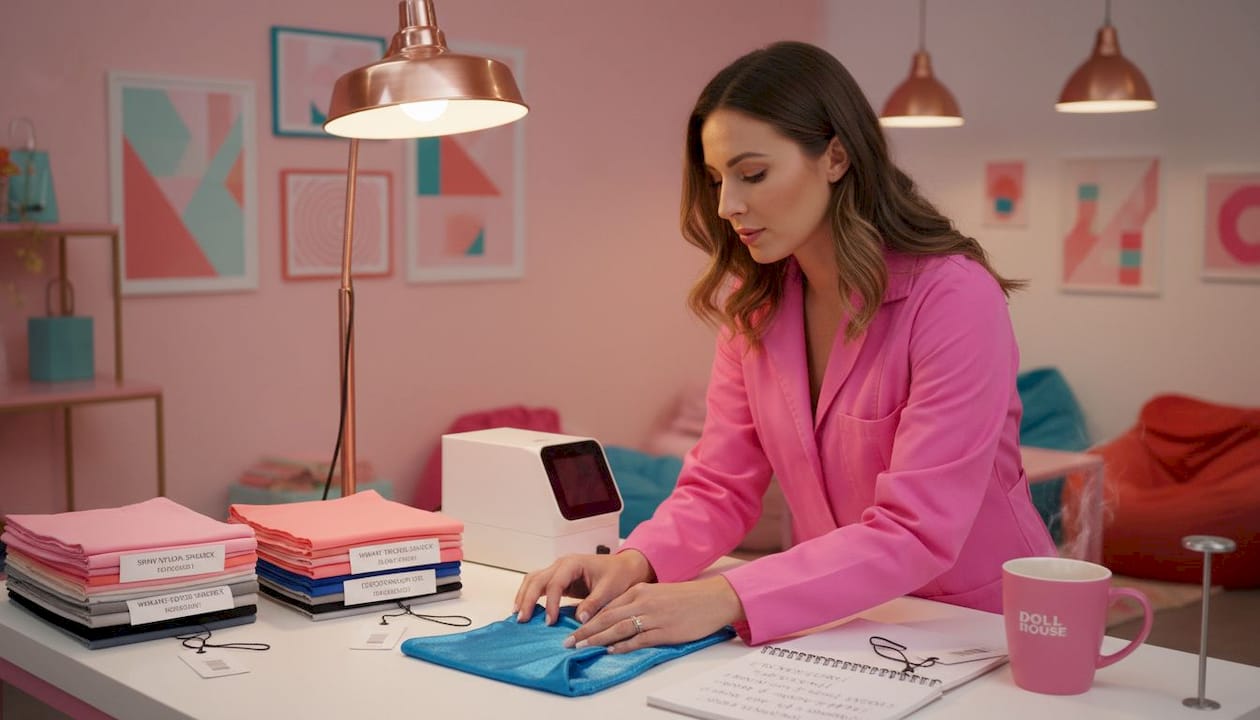
UPF stands for Ultraviolet Protection Factor. A UPF rating of 50 means the fabric blocks 98% of UV rays, allowing only 2% of radiation to reach the skin. For reference, a standard white cotton t-shirt wet has a UPF of around 3. The difference is significant for anyone spending extended time outdoors.
Key facts about sun protective swimwear fabrics:
- Tighter knits equal better protection: The denser the weave, the fewer UV rays pass through
- Avoid thin or sheer materials: Thin fabrics lose protection when stretched or wet, which defeats the purpose of UV coverage
- Color and dye affect UPF: Darker colors and UV-absorbing dyes increase protection levels
- Performance swimwear prioritizes UV defense: Athletic and active swim styles typically use tighter, denser constructions
| Feature | Standard fabric | UPF-rated fabric |
|---|---|---|
| UV blocking | Varies (low to moderate) | Up to 98% at UPF 50 |
| Fabric density | Light to medium knit | Tight, dense knit |
| Best use | Casual beach or pool | Outdoor swimming, active wear |
| Wet protection | Decreases when wet | Maintains rating when wet (if UPF-labeled) |
| Price range | Budget to mid-range | Mid to premium range |
For outdoor activities like open-water swimming, paddleboarding, or beach volleyball, look for sun protective bikini styles that specify their UPF construction on the label. General swimwear descriptions like “lightweight” or “breathable” do not guarantee UV protection. You also want the suit to maintain that protection when the fabric is pulled taut or submerged. Browse UPF swimwear options for styles designed with active sun coverage in mind.
Comparing swimwear fabric types: Quick summary for easy choices
To wrap up, here’s how each fabric performs side by side for quick, confident decisions. Choosing between nylon and polyester blends comes down to three main variables: how often you swim, where you swim, and whether photography or performance is your primary goal.
| Fabric blend | Softness | Chlorine resistance | Sun protection | Best for |
|---|---|---|---|---|
| Nylon + spandex | High | Low to moderate | Moderate | Beach vacations, poolside style |
| Polyester + spandex | Moderate | High | Moderate to high | Frequent pool use, lap swimming |
| Polyester + PBT blend | Moderate | Very high | High | Competitive or training swimmers |
| UPF-rated construction | Varies | Varies | Very high | Outdoor activities, sun safety |
A virtual fitting study in PLOS ONE compared nylon 80% + spandex 20% versus polyester 80% + spandex 20% across multiple swim poses and body types, reporting measurable differences in how each blend distributes pressure during movement. The nylon blend performed better in comfort-focused scenarios, while the polyester blend showed advantages in structural stability across more active poses.
Here’s a numbered decision guide to simplify your choice:
- Occasional beach or vacation use: Choose nylon-spandex. Prioritize softness and camera-ready shape.
- Frequent pool or lap swimming: Choose polyester-spandex or polyester-PBT. Prioritize chlorine resistance and long-term shape.
- Outdoor sun exposure: Choose UPF-rated, tightly knit construction. Avoid sheer or loosely woven fabrics.
- Mixed use (beach plus pool plus sun): Look for mid-range polyester blends with UPF labeling for a balance of style and function.
Shop versatile swimwear styles if your plans cover multiple activities, and check activity-fit swimsuits for options built specifically around performance and movement needs.
What stylish swimwear really means: Practical choices beyond the trends
Here’s a direct take after reviewing all the technical options. The swimwear industry promotes fabric innovation constantly, with new terms and blended materials marketed as must-have upgrades every season. That creates noise. Real style in swimwear has nothing to do with chasing the newest fiber technology.
The most practical decision framework for women 18 to 35 is simple and activity-driven: use nylon-spandex for softness and shape when camera-readiness matters, switch to polyester-heavy constructions when durability and pool longevity are the priority, and go UPF-focused when sun exposure is a daily reality. That framework works regardless of what’s trending.
True style comes from a suit that fits correctly, holds its shape throughout a full trip, and suits the actual activities on your itinerary. A nylon-blend micro bikini that photographs beautifully on day one but stretches out by day four is not a good purchase. A stiff polyester training suit that lasts three seasons but feels uncomfortable on a lounging day is also the wrong call.
Match the material to the mission. That is the most stylish decision you can make.
Find your perfect swimwear blend with Doll House
Ready to apply this fabric knowledge directly to your next purchase? Doll House Bikinis carries a curated range of swimwear across nylon and polyester blends, so you can match your material choice to your activity level and style goals without guesswork.
Start with classic swimwear styles for versatile nylon-blend options that photograph well on vacation. Browse blended bikini sets for fashion-forward styles that balance softness and durability. For pool-ready performance, the waterproof high waist options offer structural support and water-resistant construction built to hold up across multiple sessions. Orders over $100 ship free, making it easy to stock up on the right styles for every occasion on your calendar.
Frequently asked questions
Which swimwear fabric is best for chlorine-heavy pools?
Polyester-spandex blends offer superior chlorine resistance and shape retention, making them the best choice for frequent pool swimmers who need durability over multiple sessions.
How important is UPF rating in swimwear fabrics?
UPF 50 fabrics block 98% of UV rays and are critical for anyone spending extended time in direct sunlight, especially during outdoor swimming or beach activities.
What’s the difference between nylon and polyester blends in swimwear?
Nylon blends feel softer and drape better for camera-ready looks, while polyester blends resist chlorine and hold their shape longer through repeated pool use.
Does fabric thickness affect sun protection?
Yes. Thin or sheer fabrics lose UV protection when stretched or wet, so tightly knit UPF-rated swimwear is essential for reliable outdoor sun coverage.