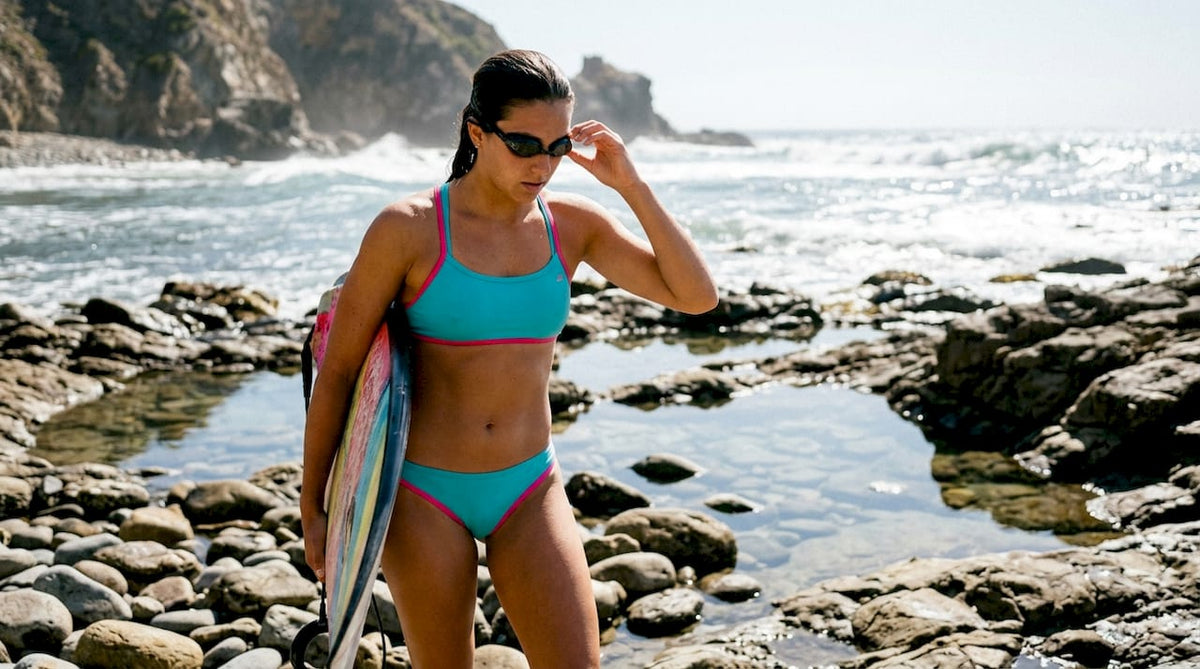
A sport bikini is a two-piece swimsuit engineered specifically for active use in water sports, beach activities, and pool training, combining functional support with durable, performance-grade fabrics. Unlike standard fashion swimwear, a sport bikini prioritizes secure fit, freedom of movement, and technical materials that hold up under repeated physical stress. Brands like Speedo and JOLYN have built entire product lines around this category, while fabric technologies such as UPF 50+ protection and chlorine-resistant nylon-spandex blends define what separates performance swimwear from its fashion-only counterparts. If you swim laps, play beach volleyball, or surf regularly, understanding what a sport bikini offers changes how you shop for swimwear.
What is a sport bikini and how does it differ from regular swimwear?
A sport bikini is defined by its construction: technical fabrics, reinforced structure, and a fit designed to stay in place when you move hard. Regular fashion bikinis prioritize aesthetics first, using thinner materials and decorative hardware that can shift, stretch out, or degrade quickly with chlorine or saltwater exposure. The sport bikini definition centers on performance function over pure visual appeal, though modern designs have closed the style gap considerably.
The core material difference is significant. Sport bikinis use nylon and spandex blends that resist chlorine degradation, dry quickly, and maintain their shape across hundreds of uses. A standard fashion bikini made from acetate or thin polyester will lose elasticity and color within a single season of active use. For anyone training in a pool or spending long days in saltwater, that difference translates directly to cost and comfort.
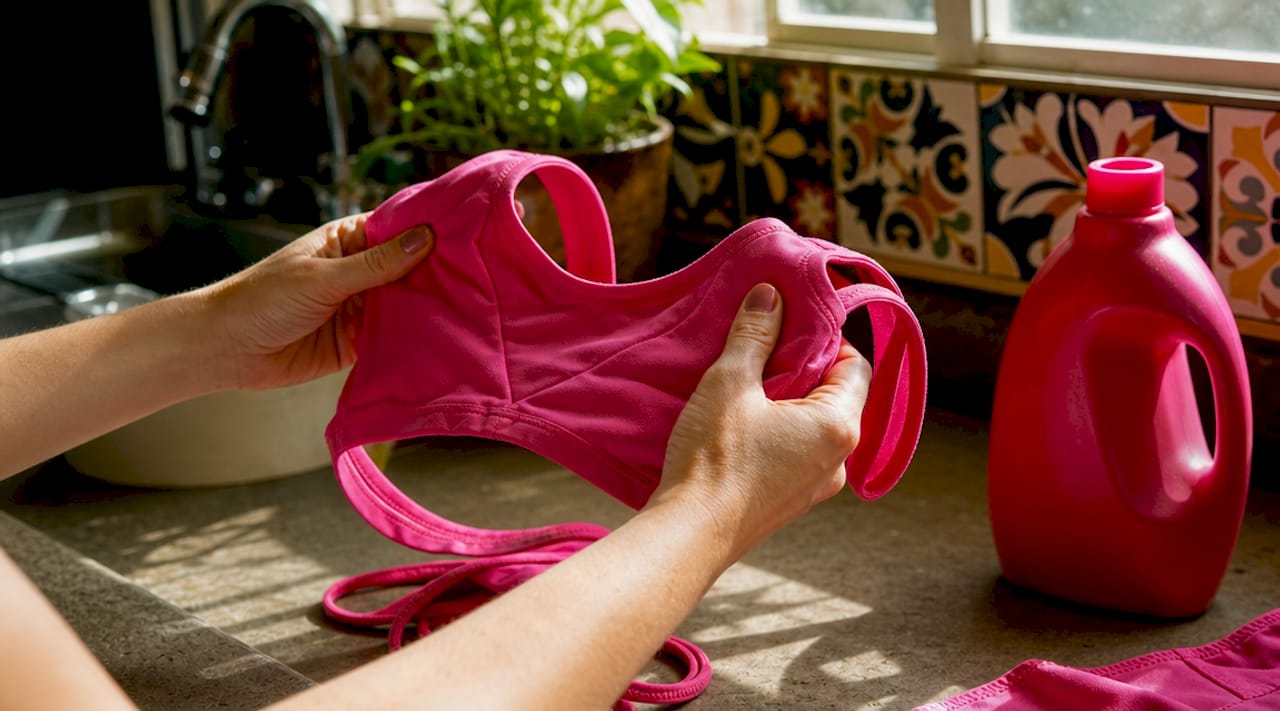
Modern sport bikinis intentionally separate themselves from past controversy by prioritizing utility, supporting range of motion without compromising on secure fit. Beach volleyball, for example, standardized bikini design around minimal coverage that still allowed full athletic movement. That functional legacy carries into today’s sport bikini market, where adjustable straps, built-in underwire, and reinforced stitching are standard rather than premium features.
Sport bikini vs. regular bikini: key feature comparison
| Feature | Sport bikini | Regular bikini |
|---|---|---|
| Fabric | Nylon/spandex, chlorine-resistant | Polyester, acetate, thin blends |
| Support | Built-in underwire or supportive bands | Minimal, decorative only |
| UV protection | UPF 50+ rated in many styles | Rarely rated or tested |
| Strap design | Adjustable, reinforced, racerback options | Tie strings, decorative hardware |
| Durability | High: resists chlorine, saltwater, UV | Low to moderate |
| Movement fit | Stays in place during activity | May shift or loosen |
Pro Tip: When reading product labels, look for “chlorine-resistant” and “UPF 50+” as the two fastest indicators that a bikini is built for active use rather than poolside lounging.
What are the benefits of wearing a sport bikini?
The benefits of sport bikinis go beyond staying covered during a dive. The functional advantages directly affect your comfort, health, and how long your swimwear lasts.
- UV protection. UPF 50+ fabric blocks up to 98% of the sun’s harmful rays. For women spending multiple hours outdoors at the beach or pool, this reduces sunburn risk significantly compared to unrated swimwear.
- Enhanced support. Built-in underwire and adjustable straps reduce discomfort during high-impact activities like beach volleyball or open-water swimming. Proper support also lowers the risk of strain during repetitive movements.
- Durability. Chlorine-resistant fabrics maintain shape and color far longer than standard swimwear. A quality sport bikini priced between $30 and $80 will outlast two or three fashion bikinis used in the same conditions.
- Moisture-wicking comfort. Quick-dry and moisture-wicking fabrics improve comfort when you transition from water to land, preventing the heavy, cold, clingy feeling of slower-drying materials.
- Freedom of movement. Sport bikinis are cut and constructed to move with your body. Surfing, swimming, and paddleboarding all require a full range of arm and torso motion that a poorly fitted fashion bikini will restrict or expose.
- Secure fit. Reinforced stitching and structured fits mean you are not adjusting your swimwear mid-activity. That security matters whether you are catching a wave or diving for a volleyball.
Pro Tip: If you swim in a chlorinated pool more than twice a week, rinse your sport bikini in cold fresh water immediately after each session. This single habit extends fabric life by months.
How to choose the right sport bikini for your activity
Choosing a sport bikini starts with identifying your primary activity, because the support and coverage requirements for lap swimming differ from those for surfing or beach volleyball. Getting this match right means the difference between swimwear that performs and swimwear that just looks the part.
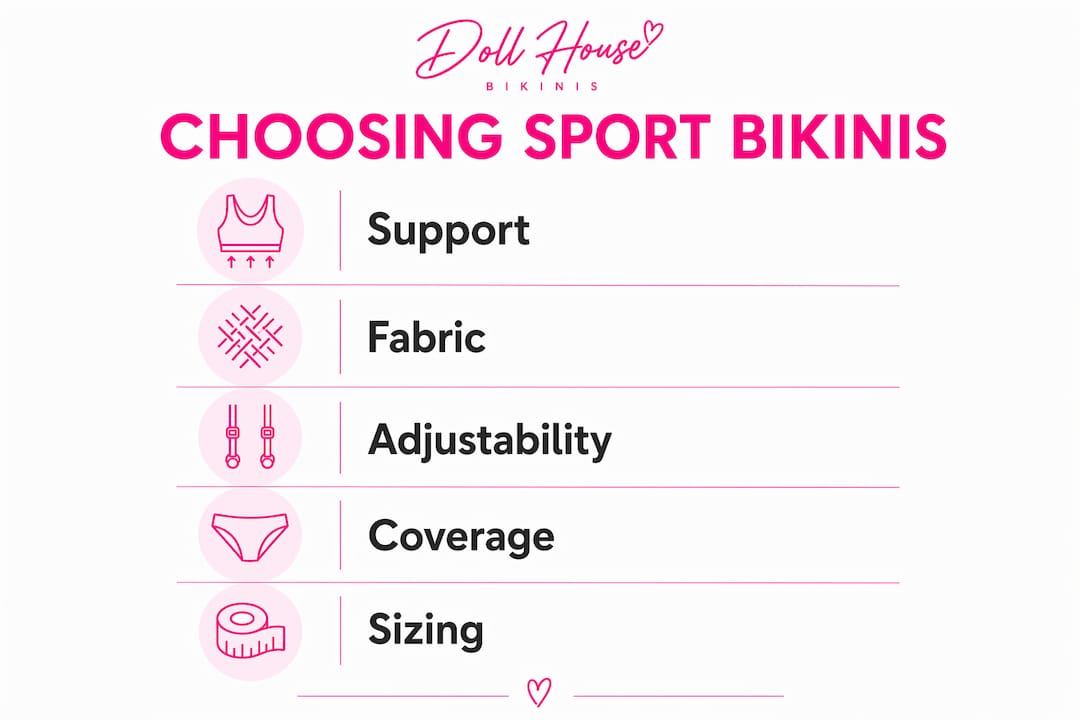
Step 1: Match support level to your activity. High-impact activities like beach volleyball and surfing require a top with built-in underwire or a wide supportive band. Lower-impact activities like casual snorkeling or paddleboarding can work with a standard adjustable-strap top without underwire. Knowing your activity intensity narrows your options immediately.
Step 2: Check fabric specifications. Look for quick-drying fabric with UPF protection and chlorine resistance if you train in a pool. For ocean activities, prioritize saltwater resistance and abrasion-resistant materials. Understanding bikini fabric types before you buy prevents costly mistakes.
Step 3: Evaluate adjustability. Adjustable straps and removable padding allow you to customize fit for your body type and activity level. Racerback styles offer the most shoulder freedom for swimming. Halter neck styles provide more lift and support for higher-impact movement.
Step 4: Consider coverage preferences. Rash guard bikini tops come with long or short sleeve options, letting you balance UV protection with mobility. High-waisted bottoms add coverage and compression. Brazilian-cut bottoms maximize movement freedom with minimal fabric interference.
Step 5: Size for activity, not just appearance. Sport bikinis should fit snugly without cutting in. Try the top with your arms raised overhead and simulate a swimming stroke. If anything shifts or gaps, size down or try a different cut. A fashion-fit bikini that looks perfect standing still will fail the moment you move.
What are popular sport bikini styles and brands?
The sport bikini market has expanded well beyond basic athletic cuts. Today’s options range from technical performance pieces to fashion-forward styles that still deliver functional benefits.
Speedo remains the benchmark for pool-focused sport bikinis, with chlorine-resistant fabrics and competitive cuts designed for lap swimmers. Their Endurance+ fabric line is specifically engineered to resist chlorine degradation over hundreds of wears.
JOLYN targets active women who want bold prints without sacrificing performance. Their tops use a compression-style fit with wide straps and no hardware, making them popular for water polo and open-water swimming.
Rash guard bikini sets from brands like O’Neill and Roxy combine a fitted rash guard top with bikini bottoms, offering UV protection and abrasion resistance for surfing and paddleboarding. These sets are the most protective option for full-day outdoor water sports.
Pricing across the category follows a clear pattern. Entry-level sport bikinis from mass-market brands start around $30. Mid-range options from performance-focused brands like JOLYN and Speedo sit between $50 and $80. Premium or designer sport bikinis with antimicrobial fabrics or sweat-controlling technology can exceed $100. The price range of $30 to $80 covers the majority of quality options that deliver genuine performance benefits without premium pricing.
| Style | Best for | Key feature |
|---|---|---|
| Underwire sport top | Beach volleyball, surfing | Maximum lift and support |
| Racerback top | Lap swimming, water polo | Full shoulder mobility |
| Rash guard bikini | Surfing, paddleboarding | UV and abrasion protection |
| High-waisted set | Open water, casual active use | Core coverage and compression |
| Adjustable halter | Multi-activity use | Customizable fit and support |
Key takeaways
A sport bikini is the correct choice for any active water or beach use because it delivers UV protection, structural support, and durable fabrics that standard fashion swimwear cannot match.
| Point | Details |
|---|---|
| Core definition | A sport bikini is a two-piece swimsuit built for active use with technical fabrics and structural support. |
| UV protection standard | UPF 50+ fabric blocks up to 98% of UV rays, a feature absent from most fashion bikinis. |
| Fabric matters most | Nylon-spandex blends with chlorine resistance determine durability and long-term comfort. |
| Fit drives performance | Adjustable straps, underwire, and reinforced stitching keep the bikini in place during movement. |
| Price reflects function | Quality sport bikinis range from $30 to $80 and outlast multiple fashion bikinis in active conditions. |
Why the right sport bikini is worth the investment
I have reviewed and worn enough swimwear to say this clearly: most women underestimate how much a poorly chosen bikini costs them in comfort and confidence during physical activity. The number of times I have seen someone pull their top back into place mid-lap or exit the water holding their bottoms is not small. That is not a fit issue. That is a category mistake. They bought a fashion bikini for an athletic situation.
The sport bikini category exists because athletic demands are real and specific. A racerback top with a wide band does not just look sporty. It physically prevents the shoulder strap from sliding during a freestyle stroke. Underwire in a surf top is not decorative. It holds position when a wave hits you sideways. These are engineering decisions, not styling choices.
The mistake I see most often is buying based on appearance in a fitting room mirror rather than testing movement. Raise your arms. Twist at the waist. Bend forward. If the top gaps, rides up, or shifts, it will fail you in the water. The best sport bikinis feel almost invisible during activity. You stop thinking about your swimwear and start thinking about your sport.
One trend worth watching in 2026 is the growth of antimicrobial fabric treatments in sport bikinis. Brands are adding silver-ion or zinc-based treatments to reduce odor and bacterial buildup during extended wear. For women who train daily or travel with limited laundry access, this feature moves from nice-to-have to genuinely practical.
— Ryan
Find your sport bikini at Dollhousebikinis
Dollhousebikinis carries a selection of two-piece swimwear built for women who want style and function in the same piece. From supportive underwire tops to adjustable-strap sets with performance fabrics, the catalog covers the key features that active swimmers and beach athletes need.
Browse the original swimsuit designs for performance-focused fits, or explore the two-piece swimwear sets for complete active-ready looks. Dollhousebikinis also offers swimwear and beach cover-up options for women who want versatility from pool to shore. Free shipping applies on orders over $100.
FAQ
What is the sport bikini definition?
A sport bikini is a two-piece swimsuit designed for active water and beach use, featuring technical fabrics like nylon-spandex blends, built-in support structures, and UV protection. It differs from a fashion bikini by prioritizing secure fit, durability, and movement freedom over decorative design.
What should I look for in a sport bikini?
Look for UPF 50+ fabric, chlorine-resistant materials, adjustable or reinforced straps, and built-in support such as underwire or wide supportive bands. The fit should stay in place when you raise your arms and twist your torso without shifting or gapping.
How does a sport bikini compare to a regular bikini?
A sport bikini uses technical fabrics that resist chlorine and UV degradation, while a regular bikini typically uses thinner materials optimized for appearance. Sport bikinis include structural support features and reinforced stitching that fashion bikinis lack, making them the better choice for any physical activity in or near water.
Are sport bikinis good for swimming laps?
Sport bikinis are well-suited for lap swimming when they feature a racerback or crossback top design, chlorine-resistant fabric, and a snug, low-drag fit. Speedo’s Endurance+ line and similar performance fabrics are specifically engineered for pool training conditions.
What is the price range for quality sport bikinis?
Quality sport bikinis typically cost between $30 and $80, with the mid-range covering most performance needs including chlorine resistance, UPF protection, and adjustable support. Premium options with antimicrobial treatments or designer construction can exceed $100.