
Bikini fabric is a synthetic textile blend engineered specifically for swimwear performance, combining a base fiber of nylon (polyamide) or polyester with elastane to deliver stretch, shape retention, and water resistance. This is the standard industry definition used by swimwear manufacturers worldwide. The right fabric composition determines how a bikini fits on day one and how it holds up after a full season of sun, salt, and chlorine. Understanding bikini fabric composition, stretch properties, and lining quality gives you a clear advantage when choosing swimwear that actually lasts.
What is bikini fabric made of?
Bikini fabric is defined by its fiber blend. Standard blends range from 80 to 90% base fiber (nylon or polyester) combined with 10 to 20% elastane. Below 10% elastane, a fabric lacks the stretch and recovery needed for swimwear performance. That ratio is not arbitrary. It reflects decades of testing by manufacturers to find the balance between structure and flexibility.
Elastane goes by several names: spandex in the United States, Lycra as a branded version from Invista, and simply elastic fiber in technical specs. Regardless of the label, it performs the same function. It allows the fabric to stretch in four directions and return to its original shape. Without it, a bikini would bag out within minutes of getting wet.
The base fiber choice shapes everything else about how the garment feels and performs:
- Nylon (polyamide): Soft against skin, excellent drape, good stretch. The preferred base fiber for fashion-forward and luxury swimwear.
- Polyester: Stiffer hand feel, superior resistance to chlorine and UV fading. The preferred base fiber for performance and frequent pool use.
- Recycled nylon (ECONYL): Regenerated from ocean waste and industrial scraps. Performs comparably to virgin nylon with a lower environmental footprint.
- Recycled polyester (rPET): Made from post-consumer plastic bottles. Slightly less soft than virgin polyester but a credible sustainable bikini material for eco-conscious buyers.
| Fiber | Feel | Best Use | Weakness |
|---|---|---|---|
| Nylon | Soft, smooth | Fashion, beach wear | Less chlorine resistant |
| Polyester | Firmer, structured | Pool, sport | Less soft against skin |
| Recycled nylon (ECONYL) | Comparable to nylon | Eco-conscious beach wear | Higher cost |
| Recycled polyester (rPET) | Slightly stiffer | Eco-conscious pool wear | Slightly less soft |
How stretch, recovery, and weight affect bikini performance
Stretch and recovery are the two most critical performance metrics in any bikini fabric guide. Quality swimwear fabric must achieve at least 50% four-way stretch, meaning a 4-inch sample stretches to 6 inches and snaps back immediately after 30 seconds of tension. That snap-back is recovery, and it matters more than stretch alone.
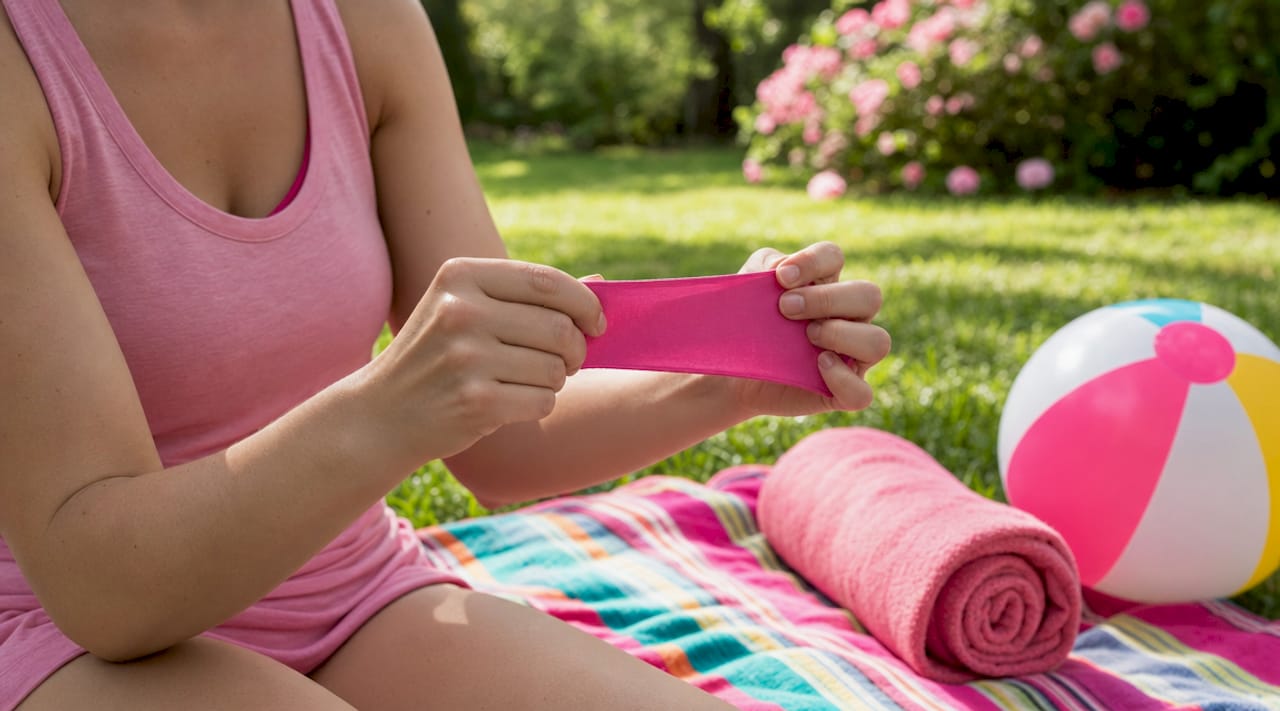
Here is why recovery outranks stretch in practical terms. A fabric that stretches 80% but recovers slowly will sag at the seat and droop at the bust after one swim session. A fabric that stretches 50% but recovers instantly will hold its shape through an entire vacation. Fabric failing to recover leads to saggy bikinis and poor fit over time. This is the single most overlooked quality indicator when buying swimwear.
Fabric weight, measured in grams per square meter (GSM), adds another layer to the performance picture. The optimal range for bikini fabric sits between 180 and 240 GSM. Here is what that range means in practice:
- Under 180 GSM: Fabric is too thin. Transparency is a real risk, especially when wet. These fabrics also lose shape faster under repeated stress.
- 180 to 210 GSM: The sweet spot for lightweight bikinis. Enough opacity for confidence, light enough for comfort in heat.
- 210 to 240 GSM: Better suited for structured tops, underwire styles, or high-coverage bottoms where opacity and support are priorities.
- Over 240 GSM: Heavier does not mean better. Higher GSM density fabrics perform better without bulk, but excessive weight adds stiffness and reduces comfort.
Pro Tip: To test recovery before buying, stretch a section of the fabric between your fingers for 30 seconds, then release. If it snaps back flat immediately, recovery is strong. If it takes a few seconds or stays slightly stretched, the elastane content is likely too low for long-term wear.
The four-way stretch test and the recovery test together take under a minute. They tell you more about a bikini’s lifespan than the price tag does. Check the features of quality swimwear before committing to a purchase.
Nylon vs polyester bikini fabrics: which one is right for you?
The nylon versus polyester decision is the central trade-off in bikini fabric options. Nylon blends feel softer and provide better drape, while polyester blends offer superior chlorine and UV resistance. Neither is universally better. The right choice depends on how and where you swim.
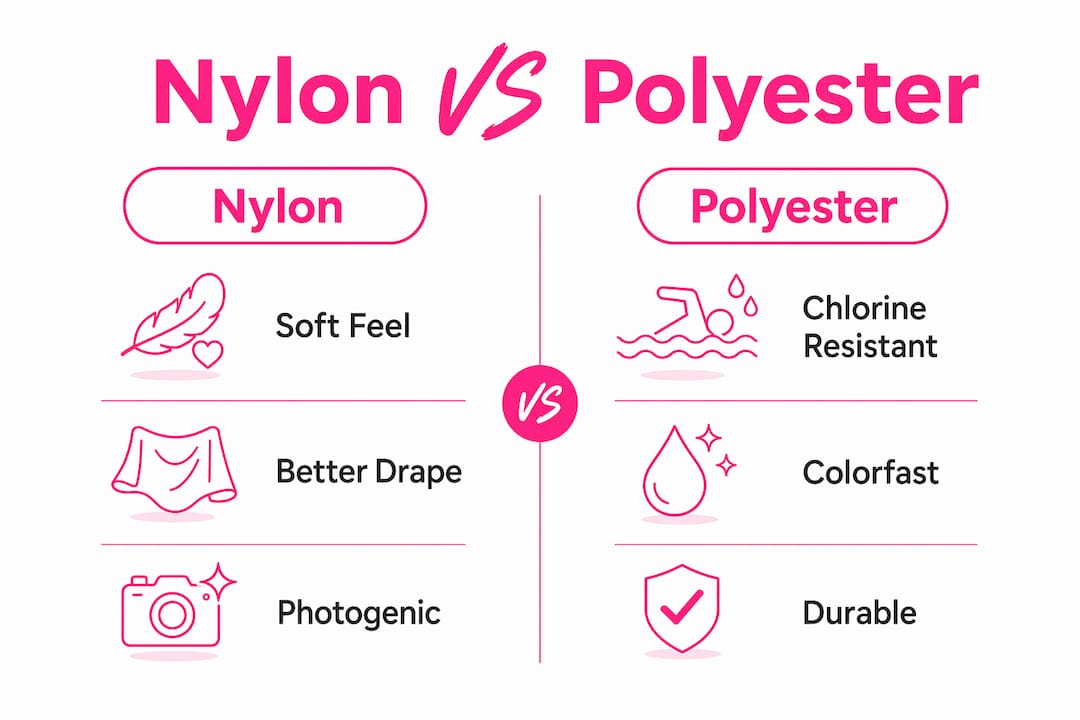
Polyester spandex blends resist chlorine and fading better than nylon blends, making them the practical choice for frequent pool swimmers. Chlorine degrades elastane over time, and polyester’s tighter molecular structure slows that process significantly. If you swim laps three times a week, polyester is the more durable option by a clear margin.
Nylon wins on aesthetics and skin feel. It drapes more naturally against the body, photographs better, and feels noticeably softer against bare skin. Luxury swimwear brands and fashion-forward labels default to nylon for these reasons. The trade-off is that nylon fades faster in chlorinated water and under prolonged UV exposure compared to polyester.
| Feature | Nylon blend | Polyester blend |
|---|---|---|
| Skin feel | Soft, smooth | Firmer, structured |
| Chlorine resistance | Moderate | High |
| UV resistance | Moderate | High |
| Color retention | Good | Excellent |
| Drape and aesthetics | Excellent | Good |
| Best for | Beach, fashion wear | Pool, sport, frequent use |
Sustainability is now a real factor in this decision. ECONYL (recycled nylon) and rPET (recycled polyester) perform at near-identical levels to their virgin counterparts. Brands like Speedo, Vitamin A, and Patagonia have adopted recycled fiber blends across their swimwear lines. Certifications like OEKO-TEX Standard 100 and bluesign confirm that recycled fabrics meet safety and environmental standards. If sustainability matters to you, look for these labels on the product page or hang tag.
What role does lining play in bikini construction?
Lining is the hidden layer that separates a well-made bikini from one that fails on the beach. Lining fabrics such as power mesh and soft tricot improve opacity, support, and structural integrity, especially in cup and bottom areas. Most consumers focus entirely on the outer fabric and ignore the lining. That is a mistake.
The three most common lining materials each serve a specific purpose:
- Power mesh: A firm, open-weave fabric that adds structure and compression without bulk. Used in underwire tops and molded cups to hold shape under tension.
- Soft tricot: A smooth, lightweight knit that sits comfortably against skin. Used in triangle tops and bikini bottoms where softness and minimal bulk are priorities.
- Skin-tone lining: A flesh-colored layer added under sheer or light-colored outer fabrics to prevent transparency when wet. Critical for white, pastel, or lace-effect bikinis.
Lining quality is as important as outer fabric for opacity and shape retention. A bikini with premium outer fabric but a thin, poorly attached lining will still fail in the water. The lining should lie flat, stretch with the outer fabric, and show no puckering at the seams.
Thread choice matters too. Polyester thread and wooly nylon thread improve seam durability and wearer comfort in swimwear construction. Cotton thread absorbs water, weakens over time, and causes seam failure. When assessing a bikini’s construction quality, turn it inside out and check the seam thread. Flat, consistent stitching in polyester or wooly nylon thread is a reliable quality signal.
Key takeaways
Bikini fabric performance depends on three factors: the right fiber blend (80 to 90% nylon or polyester with 10 to 20% elastane), strong four-way stretch and instant recovery, and quality lining that matches the outer fabric’s performance.
| Point | Details |
|---|---|
| Fiber blend ratio | Use 80 to 90% nylon or polyester with 10 to 20% elastane for adequate stretch and durability. |
| Recovery over stretch | Fabric that snaps back instantly after stretching retains shape far longer than high-stretch, low-recovery alternatives. |
| Fabric weight range | Target 180 to 240 GSM for the right balance of opacity, comfort, and structure. |
| Nylon vs polyester | Choose nylon for softness and aesthetics; choose polyester for chlorine and UV resistance in pool use. |
| Lining quality | Power mesh, soft tricot, or skin-tone lining in key zones prevents transparency and maintains shape over time. |
Why fabric recovery is the spec most shoppers ignore
Most shoppers read the fiber content label and stop there. After years of looking at swimwear construction, I find that the recovery spec tells you far more about a bikini’s real-world lifespan than the nylon-versus-polyester debate ever will.
A bikini with 82% nylon and 18% elastane sounds great on paper. But if the elastane is low-grade or the fabric has been processed in a way that degrades its snap-back, it will sag within a season. I have seen expensive designer pieces fail this test and budget swimwear pass it. The fiber content label does not tell the whole story.
The other thing worth saying plainly: fabric weight is not a proxy for quality. Shoppers often assume heavier means better. A well-constructed 190 GSM nylon-elastane fabric with high-density weave will outperform a 230 GSM fabric with loose construction every time. Density matters more than raw weight.
My honest recommendation for anyone buying online is to read the construction details, not just the fabric composition. Look for mentions of power mesh lining, flat-lock seams, and polyester thread. Those three details signal that a manufacturer understands swimwear construction at a technical level. You can learn more about spotting quality bikinis before you buy to sharpen your eye before your next purchase.
— Ryan
Shop performance bikinis at Dollhousebikinis
Dollhousebikinis builds its swimwear with high-performance nylon and spandex blends selected for stretch, recovery, and durability. Every piece in the collection is designed to hold its shape through repeated wear, whether you are at the beach or poolside.
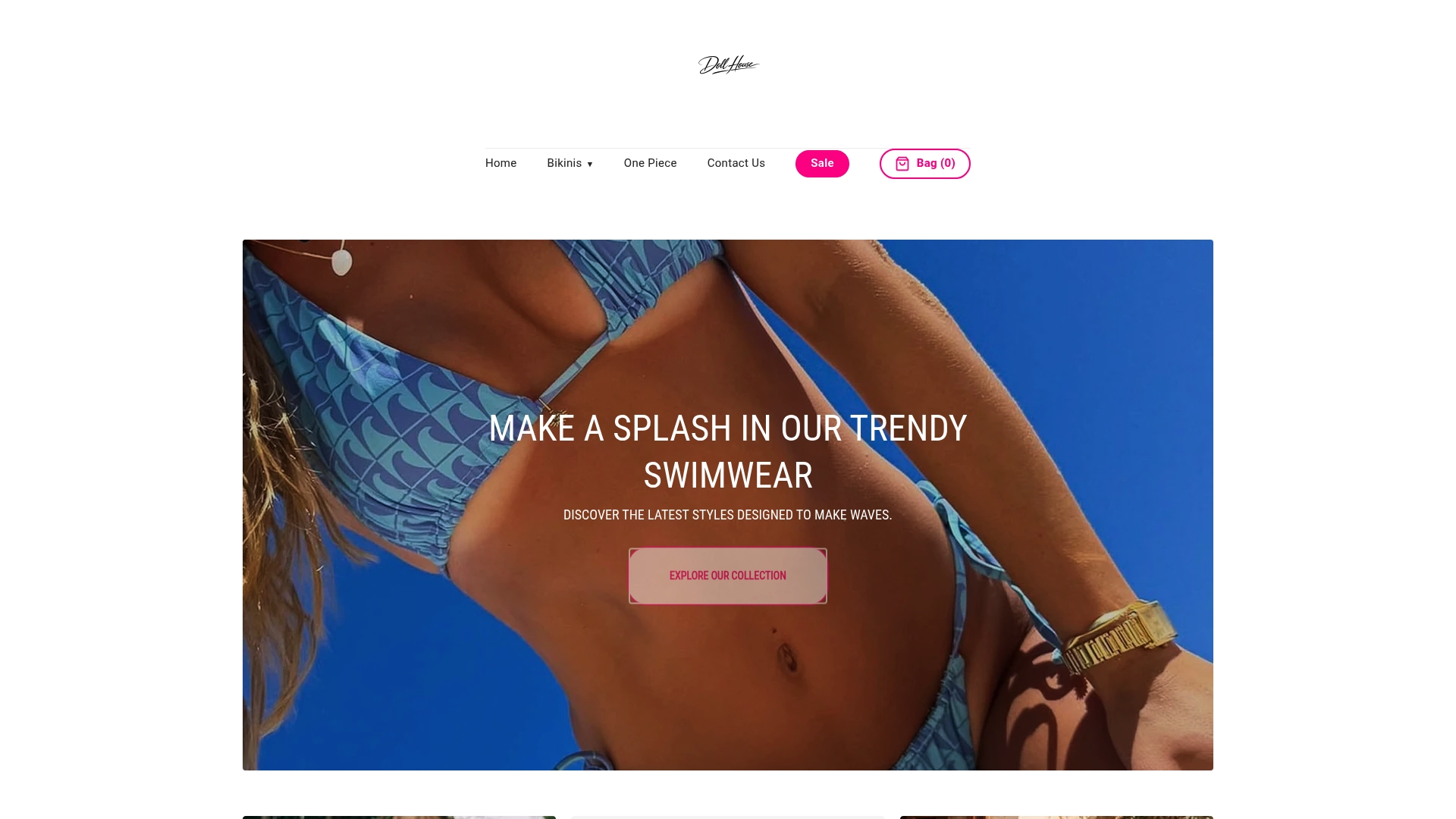
The two-piece swimwear sets at Dollhousebikinis use fabric blends that meet the stretch and recovery standards covered in this guide. The original swimsuit styles are crafted with quality lining in key zones for opacity and support. Check the product pages for fabric composition details and construction specs before you buy.
FAQ
What is the standard fiber blend for bikini fabric?
Bikini fabric typically consists of 80 to 90% nylon (polyamide) or polyester combined with 10 to 20% elastane. Blends below 10% elastane do not provide adequate stretch or recovery for swimwear performance.
What is the difference between nylon and polyester bikini fabric?
Nylon offers a softer feel and better drape, making it the preferred choice for fashion and beach wear. Polyester resists chlorine and UV fading more effectively, making it the better option for frequent pool use.
How do I test bikini fabric quality before buying?
Stretch a section of fabric between your fingers for 30 seconds, then release. Quality fabric snaps back to its original shape immediately. Slow recovery or permanent stretch indicates low elastane content and poor long-term shape retention.
What GSM is best for bikini fabric?
The optimal fabric weight for bikinis ranges from 180 to 240 GSM. Fabrics in this range provide enough opacity and structure without adding bulk or stiffness to the garment.
Why does bikini lining matter?
Lining fabrics like power mesh and soft tricot prevent transparency, add support, and maintain shape in high-stress zones like cups and bottoms. A bikini with poor lining will lose opacity and structure even if the outer fabric is high quality.