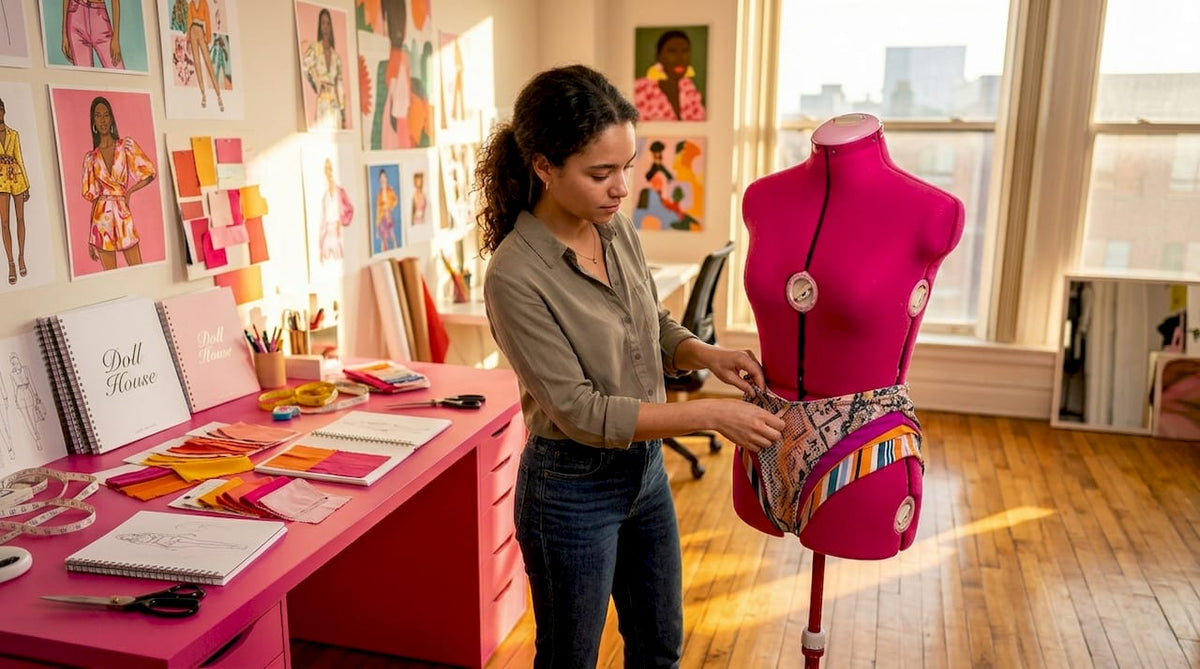
Different bikini cuts are defined by three factors: coverage level, rise height, and leg line shape. These three elements determine how a bikini looks on your body, how it stays in place during activity, and whether it suits the occasion. A thong and a high-waisted bottom are both bikinis, but they serve completely different purposes. Knowing the difference between a cheeky cut and a Brazilian, or a high-cut leg versus a low-cut leg, means you stop guessing in the fitting room and start making deliberate choices. This guide covers every major cut variation with clear fit and body type guidance.
What are the main types of bikini bottom coverage?
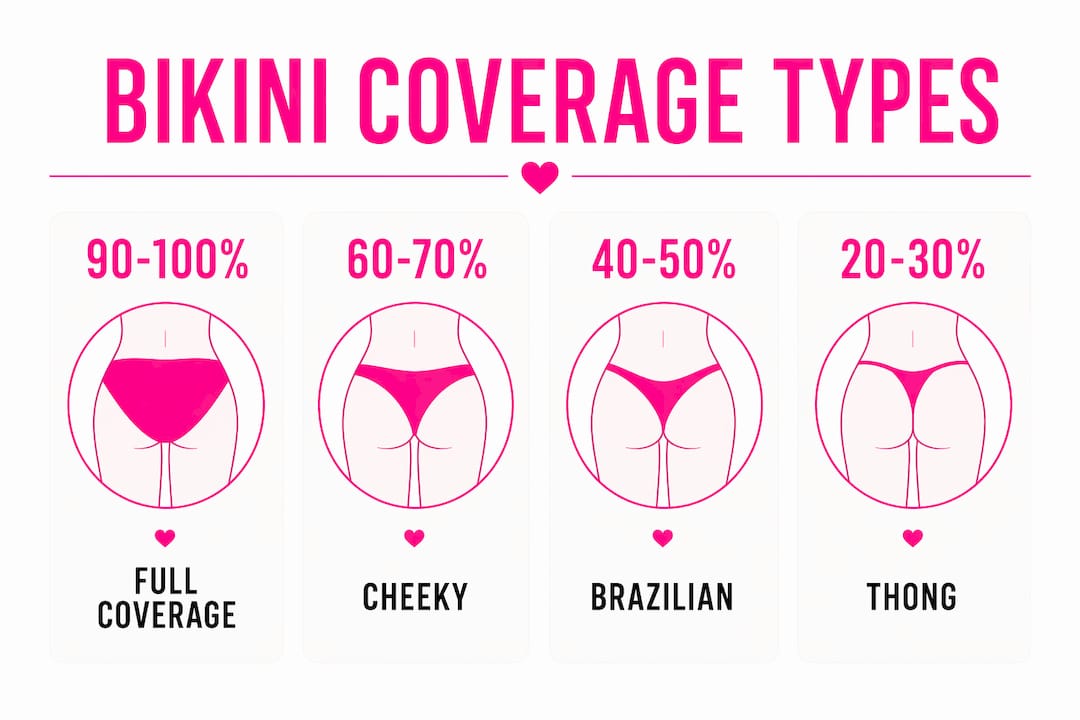
Bikini bottom coverage spans a full spectrum, from maximum coverage that fully wraps the hips and seat to micro styles that leave almost nothing to the imagination. Understanding where each cut falls on that spectrum is the fastest way to narrow down your options.
Here is how the main coverage types break down:
- Full coverage: Covers the entire seat and most of the hip. Best for family beaches, water parks, and anyone prioritizing comfort over fashion-forward styling.
- Hipster/mid coverage: Sits low on the hips with moderate seat coverage. A reliable everyday option that works across most body types.
- Cheeky: Covers about 60 to 70% of the glute, leaving the lower portion exposed. Widely considered the most popular middle-ground cut because it reads as fashionable without crossing into territory that feels inappropriate at most beaches.
- Brazilian: Minimal back coverage with a narrower seat panel. More common in resort and fashion contexts than at public family beaches.
- Thong: Maximum exposure at the back. Best suited for tanning, private pools, or fashion-forward settings where that level of coverage is expected.
The cheeky cut is broadly acceptable across most beach and pool environments, which explains why it dominates swimwear sales. Small grading changes in a cheeky cut affect perceived exposure more noticeably than in fuller styles, so sizing up one size in a cheeky bottom often makes a significant difference in how it wears.
| Coverage type | Approximate coverage | Best occasion |
|---|---|---|
| Full coverage | 90–100% | Family beaches, water parks |
| Hipster | 75–85% | Everyday beach, casual pools |
| Cheeky | 60–70% | Resort, fashion-forward beach |
| Brazilian | 30–50% | Resort, tanning, fashion |
| Thong | Under 30% | Private pools, fashion shoots |
Pro Tip: If you are unsure which coverage level suits your comfort zone, start with cheeky. It photographs well, suits most body types, and is accepted at nearly every beach setting.
How do rise height and leg cuts change the look and fit?
Rise height refers to how high the waistband sits on your torso. Leg cut refers to the shape of the opening at the thigh. These two variables work together to create the silhouette you see in the mirror, and they affect proportions more than most people realize.
Rise height options
- High-waisted: The waistband sits at or above the natural waist. This cut lengthens the legs visually, compresses the midsection, and creates a retro silhouette. It works particularly well for pear and hourglass body types because it defines the smallest part of the torso.
- Mid-rise: The waistband sits between the hip bone and the natural waist. This is the most neutral option. It suits most body types without dramatically altering proportions.
- Low-rise: The waistband sits below the hip bone. Low-rise bottoms emphasize the hips and can visually shorten the legs depending on body type. They work best on athletic or straight body shapes where the hip-to-waist ratio is less pronounced.
Leg cut options
High-cut or V-cut leg lines visually lengthen the legs by exposing more of the upper thigh. This creates an athletic, elongated silhouette that works well for petite frames and shorter torsos. The V-cut is a staple in competitive swimwear for exactly this reason.
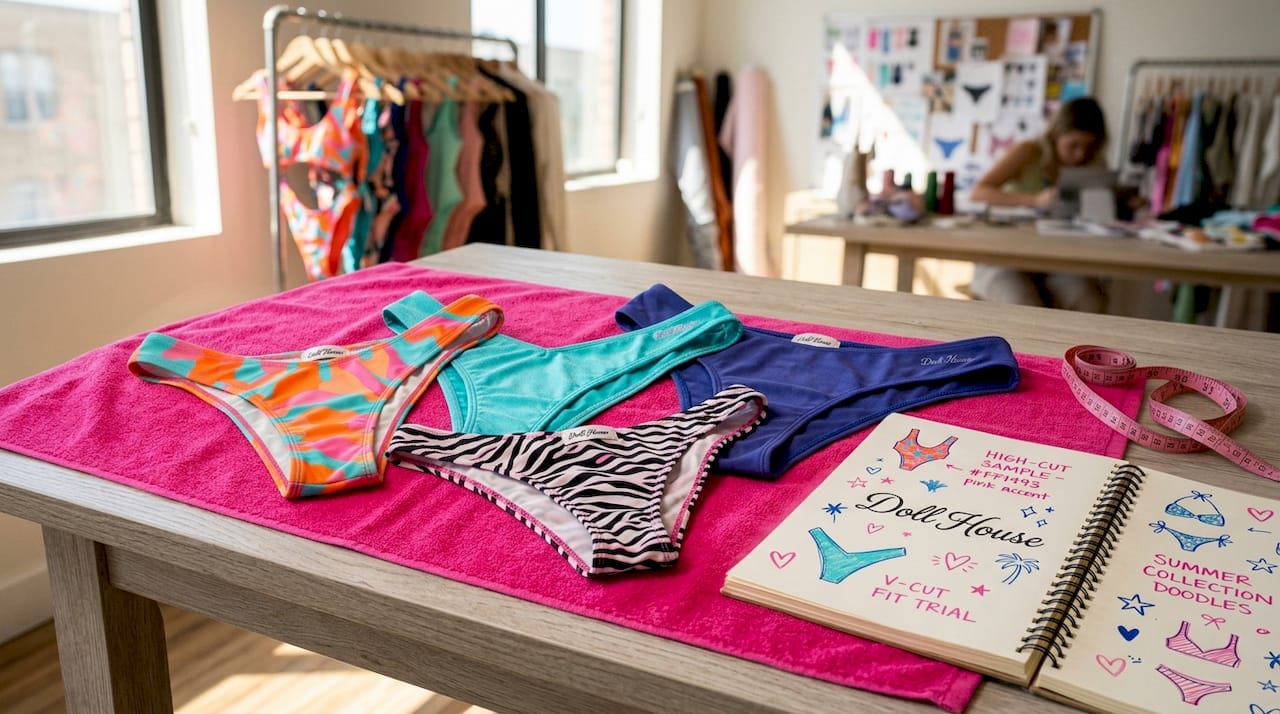
Low-cut or straight leg lines sit closer to the natural crease of the thigh. They provide more coverage and a more relaxed, classic look. This cut suits taller frames and anyone who prefers a less sporty aesthetic.
The combination of rise and leg cut creates your overall silhouette. A high-waisted bottom with a high-cut leg creates maximum leg-lengthening effect. A low-rise bottom with a straight leg cut creates a more covered, casual look. Mixing a mid-rise with a high-cut leg is a versatile middle ground that flatters most body types without committing to either extreme.
Pro Tip: If you want to look taller in photos, pair a high-cut leg line with a high-waisted or mid-rise bottom. The exposed hip and thigh area creates a continuous vertical line that adds perceived height.
How to select the right bikini cut based on body type
Matching bikini cuts to body shape is not about hiding anything. It is about using proportion and line to create the silhouette you want. Here is a practical framework by body type:
-
Hourglass: Your hip and bust measurements are similar with a defined waist. Most cuts work well. High-waisted bottoms with a mid-cut leg highlight the waist. Cheeky or Brazilian cuts in a mid-rise work equally well for a more fashion-forward look. Avoid overly boxy cuts that obscure the waist.
-
Pear shape: Hips are wider than the bust. High-waisted bottoms balance the hip-to-shoulder ratio by drawing the eye upward. Pair with a more detailed or structured top to add visual width to the upper body. Avoid low-rise bottoms, which emphasize the hip width without counterbalancing the top half.
-
Athletic or straight shape: Minimal difference between hip and waist measurements. Low-rise bottoms with a cheeky or Brazilian cut add the appearance of curves. Ruffled or textured tops add volume to the bust. High-cut leg lines elongate the frame and add an athletic edge.
-
Petite frames: High-cut leg lines and mid-rise or high-waisted bottoms are the most flattering. They create the illusion of longer legs and a longer torso. Avoid wide waistbands that visually cut the body in half.
-
Fuller figures: High-waisted bottoms with solid construction and wide waistbands provide support and smooth the midsection. A mid-cut leg avoids the leg-shortening effect of a straight cut while still offering coverage.
Mix-and-match sizing is one of the most underused tools in swimwear shopping. You can build your bikini wardrobe by selecting tops and bottoms in different sizes and styles, which means your top can be a size larger than your bottoms or vice versa without any compromise in fit.
What fit and sizing considerations should you keep in mind?
Bikini sizing works differently from regular clothing because tops and bottoms are measured separately. Bikini tops use bust measurements while bottoms use hip measurements, which means your top size and bottom size will often differ. Forcing a single size across both pieces is the most common reason bikinis fit poorly.
Key fit considerations to check before buying:
- Tops: The band should sit flat across the back without riding up. Cups should fully contain breast tissue with no spillage or gaping. Straps should lie flat without digging.
- Bottoms: The waistband should sit at the intended rise point without rolling. The seat panel should lie flat without pulling or bunching. The leg openings should not cut into the thigh.
- Underwire tops: Underwire provides lift and stability by distributing weight evenly across the band. The wire must sit flat against the ribcage, not on breast tissue. If the wire pokes or lifts away from the body, the cup size is wrong.
- Movement test: Testing fit with movement is non-negotiable. Bend forward, squat, and stretch your arms overhead. Low-rise cheeky combinations in particular tend to shift during activity if the elastic is not strong enough.
Fabric construction matters as much as size. Fabric weight, stretch recovery, and double lining all affect how well a bikini stays in place during swimming or active beach use. A thin, single-layer fabric will shift and lose shape faster than a double-lined construction with quality elastic.
The sizing workflow best practice is to fit your top fully before confirming your bottom size. A poorly fitted top causes compensatory tightening in the straps, which shifts the whole suit and destabilizes the bottoms during movement. Get the top right first, then confirm the bottoms.
Pro Tip: When shopping online, measure your bust and hips on the same day you plan to order. Body measurements shift slightly with hydration and time of day, and swimwear fabric has less give than regular clothing.
Key takeaways
The right bikini cut is determined by coverage level, rise height, and leg line working together. Fit the top first, size separately for tops and bottoms, and test movement before committing to any cut.
| Point | Details |
|---|---|
| Coverage defines the cut | Full, cheeky, Brazilian, and thong cuts differ by the percentage of the seat they cover. |
| Rise height shapes proportions | High-waisted lengthens legs; low-rise emphasizes hips and suits athletic frames. |
| Leg line affects silhouette | High-cut V-lines elongate the leg; straight cuts provide a more classic, covered look. |
| Size tops and bottoms separately | Tops use bust measurements and bottoms use hip measurements for the best fit. |
| Test fit with movement | Squat and stretch before buying to confirm the cut stays in place during activity. |
What I actually tell people about choosing bikini cuts
The most common mistake I see is treating bikini shopping as a style decision first and a fit decision second. It should be the other way around. A Brazilian cut in the wrong fabric will shift constantly. A high-waisted bottom in the wrong rise height will roll down all day. Style means nothing if the suit does not stay put.
The other thing worth saying directly: body type frameworks are useful starting points, not rules. I have seen petite women wear low-rise Brazilian cuts with complete confidence, and I have seen hourglass figures prefer full-coverage high-waisted styles for comfort. The frameworks exist to give you a starting point, not a ceiling.
What has changed most in recent years is the normalization of mix-and-match sizing. Buying a size 8 top and a size 10 bottom used to feel like a workaround. Now it is standard practice at most quality swimwear retailers, and it solves the single biggest fit problem in women’s swimwear. If you have not tried sizing your top and bottoms separately, start there before you try anything else.
Trends in bikini cuts shift every season, but the cuts that consistently sell well year after year are cheeky mid-rise and high-waisted styles. They photograph well, suit a wide range of body types, and hold their shape through actual use. That is not a coincidence.
— Ryan
Find your cut at Dollhousebikinis
Dollhousebikinis carries bikini styles across every coverage level and rise height, from full-coverage high-waisted sets to cheeky and Brazilian cuts in separate sizing. Whether you need an underwire top in one size and a mid-rise bottom in another, the catalog is built to support mix-and-match fit.
The core bikini collection includes options across all the cuts covered in this guide, with separate top and bottom sizing available throughout. For a broader look at sets with coordinated coverage and style, the two-piece swimwear sets section covers everything from classic mid-rise to fashion-forward low-rise styles. Free shipping applies on orders over $100. Use the best bikini fit guide on the Dollhousebikinis blog to confirm your measurements before ordering.
FAQ
What is the difference between cheeky and Brazilian bikini cuts?
A cheeky cut covers approximately 60 to 70% of the glute, while a Brazilian cut covers significantly less, leaving most of the seat exposed. Cheeky cuts are considered more broadly acceptable at public beaches and pools.
What bikini cut is best for a pear-shaped body?
High-waisted bottoms with a mid-cut leg work best for pear shapes because they balance wider hips by drawing the eye upward toward the waist. Pairing with a structured or detailed top adds visual width to the upper body.
How do I know if my bikini top fits correctly?
The band should sit flat across the back, cups should fully contain breast tissue without gaping or spillage, and the underwire (if present) should sit flat against the ribcage rather than on breast tissue. Underwire fit checks include confirming the wire does not lift away from the body during movement.
Should I size my bikini top and bottom the same?
Not necessarily. Separate sizing for tops and bottoms is standard practice because tops are sized by bust measurement and bottoms by hip measurement. Most women find their top and bottom sizes differ by at least one size.
What does a high-cut leg line do for your silhouette?
A high-cut or V-cut leg line exposes more of the upper thigh, which visually lengthens the legs and creates an elongated, athletic silhouette. It is particularly effective for petite frames and shorter torsos.
Recommended
- How to find your best bikini fit: step-by-step guide | News - Doll House
- How to Buy Trendy Bikinis: A Step-by-Step Guide for 2026 | News - Doll House
- Triangle Bikinis Explained: Stylish Swimwear Options & Trends | News - Doll House
- Build your bikini wardrobe: the step-by-step guide | News - Doll House