
Finding a swimsuit that actually works is harder than it looks. You want something that fits well, holds up through sun, salt, and chlorine, and still looks sharp on day ten of vacation. That’s exactly what designer swimwear features are engineered to deliver. Beyond the label and the price tag, there’s a real set of technical and design decisions separating a premium piece from a generic one. This guide breaks down what those decisions are, why they matter, and how to spot them before you buy.
Table of Contents
- Key takeaways
- 1. Designer swimwear features start with fabric technology
- 2. Negative ease: the sizing principle that keeps suits in place
- 3. Flat seams, straps, and structural support systems
- 4. Innovative details and customization options
- 5. Style-by-style comparison of key features
- 6. How to choose the right features for your lifestyle
- My take on what really separates premium swimwear
- Find your fit at Dollhousebikinis
- FAQ
Key takeaways
| Point | Details |
|---|---|
| Fabric composition matters | Nylon/elastane blends offer stretch and sheen; polyester variants add chlorine resistance for lasting wear. |
| Construction drives fit | Flat seams, secure elastic, and clean openings prevent discomfort and keep the suit in place during activity. |
| Design details signal quality | Print placement, adjustable closures, and reversible options separate high-end pieces from mass-market styles. |
| Match features to your lifestyle | Activity level and occasion should guide which support, coverage, and fabric features you prioritize. |
| Investment pays off | Suits built with technical fabrics and precise patterning outlast cheaper alternatives by seasons. |
1. Designer swimwear features start with fabric technology
The fabric is the foundation of everything. Most high-quality swimwear uses nylon/elastane blends or polyester/elastane combinations, and the difference between them is meaningful. Nylon/elastane blends offer superior stretch, a slight sheen, and a soft hand feel. Polyester variants trade some of that softness for better chlorine resistance, making them the smarter pick if you swim laps regularly.
What actually separates designer construction from mass production is the engineering behind those fabrics. Stretch and recovery are tested to perform even after exposure to chlorine, saltwater, and sunscreen, which are the three things that degrade cheap suits fastest. A fabric that loses recovery after ten uses will bag, sag, and go see-through in the water.
Key fabric properties to look for:
- Chlorine resistance: Rated for extended exposure without color loss or fiber breakdown
- Wet opacity: The suit shouldn’t become transparent when wet, which requires strategic lining
- Shape retention: Fabric returns to original dimensions after stretching and washing
- UV protection: UPF ratings indicate how much sun exposure the fabric blocks
Pro Tip: Check whether a suit has a separate lining layer or relies solely on the outer fabric for coverage. A double-layered gusset is a sign of intentional construction, not an afterthought.
2. Negative ease: the sizing principle that keeps suits in place
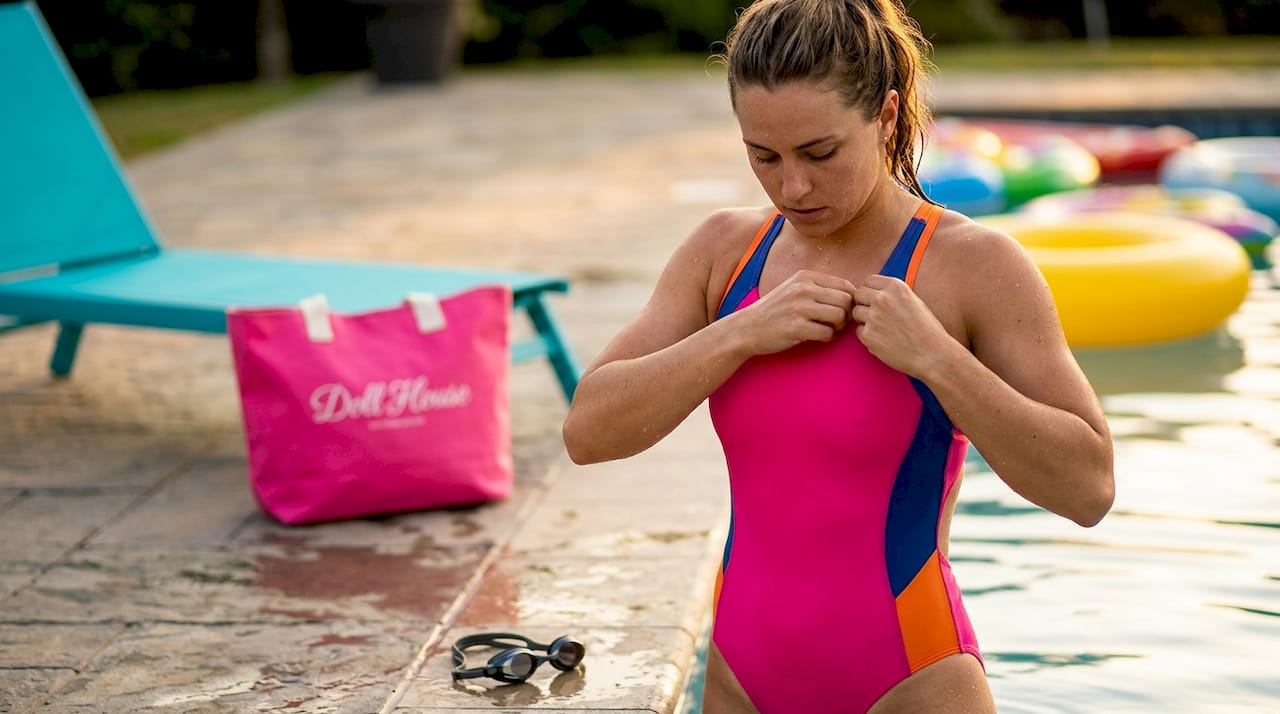
Most people have never heard this term, but it explains why designer swimwear stays put and budget styles don’t. Negative ease sizing means the garment is cut smaller than your actual body measurements. When you put it on, the fabric stretches to fit, creating consistent tension that holds the suit in place during movement. It’s the reason a well-made bikini bottom doesn’t drift during a swim.
This isn’t guesswork. Premium brands run iterative sampling stages, including prototype, fit, photo, and size set rounds, to refine how negative ease translates across different body shapes. A suit that fits a size small sample correctly often needs entirely different patterning adjustments to work in a size large. Brands that skip this process produce inconsistent sizing across their range.
The practical result for you is a suit that stays in place during activity without constant readjusting. That’s not a minor comfort upgrade. It’s a confidence upgrade.
3. Flat seams, straps, and structural support systems
Well-placed flat seams reduce friction against skin during movement, which matters more than most buyers expect. A seam running through a high-friction zone, like the inner thigh or underarm, will cause irritation fast. Premium construction maps seam placement to minimize contact with sensitive areas.
Straps deserve specific attention. The best ones:
- Adjust easily and stay adjusted (no slipping or loosening mid-swim)
- Distribute weight evenly rather than creating pressure points on shoulders
- Use hardware that won’t corrode, scratch, or snag fabric over time
- Lie flat against the body without twisting or folding under tension
Built-in support varies by style but includes underwire, molded foam cups, and power mesh panels. Underwire and adjustable straps together create the most customizable fit, particularly for larger busts. Power mesh is subtler. It’s a tight inner layer that compresses and smooths without adding bulk. You can find swimwear design fundamentals explained clearly in resources like swimwear design principles that break down how these construction choices affect real wearers.
Pro Tip: Pull the straps on a suit you’re considering and check whether the cup structure holds its shape independently. If the cup collapses when the strap tension releases, the support is coming from the strap alone, not from built-in structure.
4. Innovative details and customization options
This is where luxury swimwear qualities become visible on the surface level. Secure elastic placement, clean leg openings, and necklines that don’t twist or gap are signs that construction was approached with precision. These are not decorative choices. They’re the result of careful quality control.
Specific design details that distinguish high-end swimsuit styles:
- Reversible designs: Two colorways or prints in one suit, often using different fabrications on each side
- Mix-and-match separates: Tops and bottoms sold independently so you can size each piece correctly for your body
- Signature hardware: Branded rings, clasps, and sliders that hold their finish and feel substantial
- Contrast binding: Trim along edges that reinforces the silhouette and adds visual structure
Print placement is another clear quality marker. Planned cutting rules prevent prints from appearing off-center or misaligned at seams. You’ve probably seen cheap suits where the floral pattern cuts abruptly at a side seam or the stripe runs on a diagonal. That’s what the absence of print placement testing looks like.
Targeted fit systems round out the premium experience. Options like Small Band, Large Cup collections acknowledge that standard sizing doesn’t serve everyone and that a designer’s job is to solve real fit problems, not just offer a broad size range.
5. Style-by-style comparison of key features
Different high-end swimsuit styles serve different needs. Understanding the trade-offs helps you choose the right silhouette before you focus on specific features.
| Style | Support Level | Coverage | Best For | Key Feature |
|---|---|---|---|---|
| Triangle bikini top | Low to moderate | Minimal | Lounging, tanning | Adjustable tie closures for custom fit |
| Underwire bikini top | High | Moderate | Swimming, active wear | Built-in structure, molded cups |
| One-piece swimsuit | High | Full | Lap swimming, resort wear | Power mesh panels, adjustable straps |
| High-rise bikini bottom | Moderate | High | Coverage preference, retro style | Wide waistband, secure elastic |
| Micro bikini bottom | Low | Minimal | Sunbathing, aesthetic focus | Stretch fabric, precise cut |
| Monokini | Moderate | Variable | Fashion-forward, poolside | Cut-out placement, structural boning |
Durability varies by style as much as by fabric. One-pieces with more seaming and structure have more potential failure points but also more engineering built in. Triangle tops have fewer components but rely heavily on fabric quality and tie integrity. Maintenance matters too. Rinse suits in cold water after every use, hand wash with gentle detergent, and never wring or machine dry if you want the fabric to retain its properties across seasons.
6. How to choose the right features for your lifestyle
Knowing what features exist is only half the work. Matching those features to how you actually use a swimsuit is where the decision gets practical. Here’s a clear sequence to follow:
- Define your primary activity. Lap swimming demands chlorine-resistant polyester fabrics and secure underwire or racer-back construction. Lounging allows more flexibility for delicate fabrics and minimal support styles.
- Identify your fit priorities. If your top and bottom size differ significantly, look for brands offering separates. If you need bust support, underwire or molded cups are non-negotiable.
- Set a realistic budget. A well-constructed suit costs more upfront but lasts multiple seasons. Technical choices in fabric and patterning directly impact how long a suit retains its shape and color.
- Check construction details before buying. Look at seam placement, strap hardware, lining, and elastic quality. Read reviews that specifically mention fit after washing, not just first impressions.
- Consider versatility. A reversible suit or mix-and-match set gives you more outfit combinations without doubling your spending.
Pro Tip: If you’re buying online, check the brand’s size guide against your actual measurements rather than defaulting to your usual size. Negative ease means swimwear sizing often runs smaller than ready-to-wear clothing.
You can also review quality swimwear traits to build a clearer checklist before you shop.
My take on what really separates premium swimwear
I’ve spent a lot of time looking at what makes one swimsuit feel immediately right and another feel like a constant project. The difference is rarely obvious from photos.
What I’ve noticed is that the suits I reach for again and again share one quality: the design decisions reflect engineering rather than just aesthetics. A well-tensioned side seam changes how the fabric distributes across your hip. A correctly lined cup changes how the top moves when you’re actually in the water. These are invisible decisions that only become visible when they’re absent.
I’ve also found that people tend to overlook strap hardware entirely when shopping, then regret it by week two of a trip when a cheap ring has scratched the suit fabric or a slider has stopped holding adjustment. It’s a small detail that signals whether the whole product was thought through.
My honest recommendation: prioritize fit testing over brand name when possible. A lesser-known label with precise patterning and quality fabric will outperform a famous name built on aesthetic reputation alone. Focus on fabrics that resist fading and hold shape, and you’ll build a swimwear wardrobe that actually lasts.
— Ryan
Find your fit at Dollhousebikinis
If you’ve made it through this breakdown of designer swimwear features, you already know what to look for. Dollhousebikinis offers a curated range of swimwear built around exactly these priorities: quality fabrics, fit-focused construction, and styles that hold up as well as they photograph.
Browse two-piece swimwear sets designed with adjustable closures and premium stretch fabrics. Check out the beach cover-up collection for resort-ready layering options that pair seamlessly with any silhouette. The original swimsuit collection includes one-pieces with built-in support and structured cups for days when you want coverage without compromising style. Free shipping on orders over $100 applies across the full range.
FAQ
What is designer swimwear?
Designer swimwear refers to swimsuits produced with intentional technical and aesthetic decisions, including premium fabric blends, precise patterning, quality construction, and considered design details like adjustable hardware and print placement. The term covers both luxury label swimwear and independent brands applying high construction standards.
What fabrics are used in premium swimwear?
Nylon/elastane blends deliver stretch, sheen, and durability, while polyester/elastane options provide stronger chlorine resistance. High-end suits often combine both approaches across different layers or garment sections.
How do designer swimsuits stay in place during swimming?
Negative ease patterning cuts the garment smaller than body measurements, so the fabric stretches to create consistent tension across the body. This, combined with secure elastic placement and well-mapped seaming, keeps the suit stable during movement.
What construction details signal quality in a swimsuit?
Flat seams in friction zones, clean leg and neckline openings with no twisting, corrosion-resistant hardware, a separate lining layer, and consistent print alignment across seams all indicate deliberate, quality construction.
How long should a designer swimsuit last?
A well-constructed suit using chlorine-resistant fabrics and quality elastic should retain its shape and color for two to three seasons with proper care, including cold-water rinsing after each use and hand washing with gentle detergent.