
For most swimmers who hit the water more than a few times a season, luxury swimwear wins on price-per-wear, fit, and durability, while fast fashion only makes sense for a one-off trip or a trend piece you’ll wear a handful of times. The gap comes down to fabric, construction, and how long a suit holds its shape. Below, we break down how to test that for yourself before you buy.
TL;DR:
- Check the fabric label for high polyamide or nylon content, full lining, reinforced seams, and substantial elastic that snaps back after stretching.
- Compare your measurements with the brand’s size chart, then check strap adjustability, coverage, lining, fit reviews, and the return policy before ordering.
- A $25 suit worn 15 times costs about $1.67 per wear; a $150 suit costs $2.50 across 60 wears, or $1.25 across 120.
- More than half of fast fashion garments are discarded within a year, while elastane blends complicate recycling and synthetic fabrics can shed microplastic fibers.
- Rinse any swimsuit in cold water after each wear and follow its care instructions to extend its lifespan, regardless of price or fabric.
Table of Contents
- Fabric and Construction: What You Pay for in Luxury Swimwear
- Fit and Sizing: Why Patterning Matters More Than the Label
- Durability and Performance: How Long Swimsuits Actually Last
- Price, Value, and Price-Per-Wear: Practical Math for Shoppers
- Environmental and Social Impact: How Fast Fashion and Luxury Differ
- How to Decide: A Buyer’s Checklist Matched to Use Cases
- Doll House Bikinis’ Perspective: Expertise on Quality Traits and Shopper Priorities
- Editorial View: Balancing Style, Budget, and Sustainability
- How Doll House Bikinis Fits These Priorities
- FAQ
- Sources
Fabric and Construction: What You Pay for in Luxury Swimwear
Cheap swimwear and premium swimwear often look the same on a hanger. The difference shows up in the fabric blend and the stitching you can’t see from a product photo. Lower-cost suits tend to use thin polyester blends with minimal spandex, which lose shape fast. Higher-end pieces typically rely on polyamide and elastane constructions, sometimes using regenerated fibers like Econyl, that hold stretch and color far longer.
Apparel experts note that pricier swimsuits usually include fuller lining, better-grade elastic, and reinforced seams that improve both fit and lifespan compared with mass-produced pieces, according to designer commentary on swimsuit construction. Much of that premium sits in invisible details: full lining, lingerie-style cup construction, and complex patterning that require skilled labor to execute.
Before buying, check for these details in the product description or on the garment itself:
- Fabric composition listed as a high polyamide or nylon percentage paired with spandex or elastane.
- Full lining rather than a single layer of sheer fabric.
- Flat-locked or reinforced seams instead of a single straight stitch.
- Elastic that feels substantial, not thin or papery, around the edges.
Our guide to features of quality swimwear walks through these traits in more detail, and our swimwear fabrics guide breaks down which blends hold up best in chlorine and salt water.
Pro Tip: Stretch the fabric between your fingers. If it snaps back instantly, the elastane content is doing its job. If it sags or stays stretched, put it back.

Fit and Sizing: Why Patterning Matters More Than the Label
A size small from one brand can fit completely differently from a size small at another, and that’s rarely about vanity sizing. It’s about patterning. Brands that invest in cup support, strap placement, and tailored patterning tend to deliver a more consistent fit across body types, and that attention to pattern work is often where higher prices go, per reporting on swimwear manufacturing.
When you’re shopping online, run through this quick checklist:
- Compare your measurements against the brand’s specific size chart, not a generic one.
- Check whether straps are adjustable, which helps compensate for torso length differences.
- Confirm the coverage level (cheeky, full, high-waisted) matches what the product photos show.
- Note whether the suit is lined or unlined. Unlined suits run sheerer and can show more through wet fabric.
- Read a handful of reviews that mention true-to-size fit, since photos alone won’t tell you how it holds up on a real body.
Our breakdown of why swimwear design matters for fit and function covers how patterning choices affect support, and checking a clear return policy before you buy protects you if the fit is off.
Durability and Performance: How Long Swimsuits Actually Last
Inexpensive swimwear tends to fail in predictable ways. The elastane breaks down after repeated chlorine exposure, color fades within a season of sun, and seams pull apart at stress points like the hips and underarms. Premium fabrics resist these failure modes longer because the fiber blend is built to recover its shape after stretching rather than degrade.
When comparing options, look for these performance markers:
- Chlorine-resistant fabric blends, often higher-polyamide content, that resist fading from pool chemicals.
- UPF-rated fabric for sun protection during long beach days.
- Quick-dry finishes that reduce the time spent sitting in wet fabric, which also extends elastic life.
- Clear care instructions, since rinsing in cold water after each wear measurably extends any suit’s lifespan.
A practical shopper test backed by industry reporting: premium fabric should snap back fully when stretched, while cheaper blends often stay visibly deformed after a firm tug, according to fabric-quality testing guidance. That single check tells you more about expected lifespan than the price tag does.
Think of a $25 suit that survives one season of regular swimming against a $150 suit that holds its shape for three. The cost difference narrows fast once you count actual wears, which the next section walks through in detail.
Price, Value, and Price-Per-Wear: Practical Math for Shoppers
Part of what you pay for in a pricier suit reflects production scale. Fast fashion brands manufacture in huge volumes with lower-cost materials, which keeps sticker prices down but shortens garment life. Premium brands often use smaller runs and finer mills, which raises the unit cost but improves hand feel and recovery, per industry reporting on swimwear pricing.
Here’s how the math plays out in practice:
- A $25 fast-fashion suit worn 15 times over one season before the elastic gives outcomes to about $1.67 per wear.
- A $150 premium suit worn 20 times a year across three seasons, or 60 total wears, comes to $2.50 per wear.
- The same $150 suit worn 40 times a year (frequent lap swimmers or beach regulars) across three seasons, or 120 wears, drops to $1.25 per wear, beating the cheap option outright.
Frequent swimmers and anyone who swims year-round usually come out ahead buying fewer, better-made suits. Occasional vacationers or trend chasers who want one look for a single trip may reasonably choose the lower upfront cost.
Environmental and Social Impact: How Fast Fashion and Luxury Differ
The sustainability gap between the two categories is well documented. A majority of fast-fashion garments are disposed of within a year of purchase, and some pieces are discarded after fewer than a dozen wears, according to the Ellen MacArthur Foundation. That pattern reflects a linear take-make-waste model that circular-economy frameworks are specifically designed to counter by favoring garments built to last.
Recycling doesn’t solve the waste problem either. A small share of textile fibers come from recycled sources, with an even smaller portion from textile-to-textile recycling, per the UNEP textile waste report. Swimwear’s synthetic fabrics, often blended with elastane, are particularly hard to recycle once a garment reaches end of life.
Synthetic swim fabrics also carry a shedding risk: like most synthetic textiles, they can release microplastic fibers during washing and wear, a concern tied broadly to the industry’s reliance on cheap polyester blends. Slow fashion approaches, which prioritize transparency and durable construction over rapid turnover, offer one counterpoint to that cycle, as outlined in this overview of slow fashion.
Practical takeaways if lower impact matters to you:
- Buy fewer suits overall and choose ones built to survive multiple seasons.
- Look for recycled fiber content like Econyl where it’s listed.
- Prioritize construction quality over trend cycles, since a suit that lasts three years beats three suits that last one summer each.
How to Decide: A Buyer’s Checklist Matched to Use Cases
Your buying decision should match how you actually swim, not just your budget on the day you shop.
- Frequent swimmer or beach regular: invest in one or two premium suits with high polyamide content and full lining.
- Occasional vacationer: a well-made mid-range suit covers most trips without the full luxury price tag.
- Trend buyer wanting a specific look for one event: a lower-cost piece is a reasonable, honest choice here.
- On any product page: check the fabric tag, confirm lining is mentioned, read any construction notes, note the care instructions, and confirm the return policy before checkout.
Pro Tip: Save the splurge for suits you’ll wear weekly and buy the trend piece cheap when it’s a one-time look. The math only favors luxury when wear count is high.
Doll House Bikinis’ Perspective: Expertise on Quality Traits and Shopper Priorities
Our guides on quality swimwear traits and designer swimwear features walk shoppers through what to check: clear fabric composition, construction notes, and fit guidance. We carry styles for shoppers who want both look and lasting build.
Editorial View: Balancing Style, Budget, and Sustainability
Our honest take: invest in one to three staple suits built to last, and add trend pieces sparingly for variety. Small shifts in how often we all replace swimwear add up across the industry.
— Ryan
How Doll House Bikinis Fits These Priorities
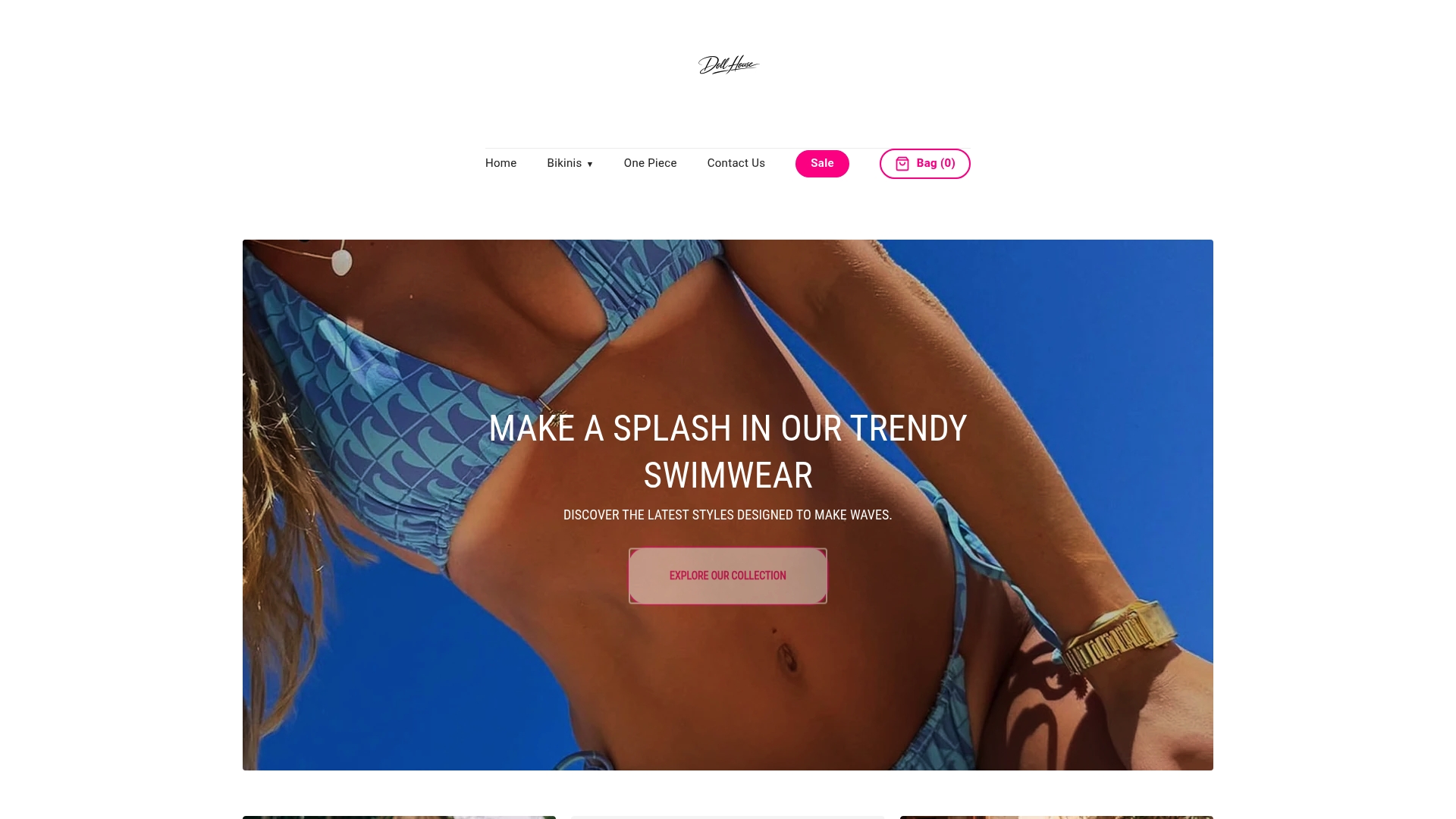
We stock a wide range of swimwear built around the fit and construction details covered above, so style doesn’t have to come at the cost of durability. Browse our full swimwear collection or shop bikini sets directly, and check our fit guides before you order to land the right size the first time.
FAQ
What are the key differences between high fashion and fast fashion?
High fashion, including luxury swimwear, typically uses premium fabrics, detailed patterning, and durable construction meant to last multiple seasons. Fast fashion prioritizes speed and low cost, using cheaper materials and simpler construction that wear out faster.
Do any luxury brands use fast-fashion production methods?
Some brands marketed as premium still rely on fast production cycles and lower-cost materials, so pricing alone isn’t a reliable signal. Check the fabric composition, lining, and construction notes on the product page rather than assuming price guarantees quality.
Is Shein considered fast fashion?
Shein is widely categorized as a fast-fashion retailer due to its rapid production cycles, low prices, and high garment turnover. That classification fits the broader pattern described by the Ellen MacArthur Foundation regarding short garment lifespans.
Is fast fashion a sustainability challenge?
Yes. More than half of fast-fashion garments are discarded within a year, and most textile fiber isn’t recycled, according to UNEP’s textile waste report. Buying fewer, longer-lasting garments is one of the clearest ways shoppers can reduce that impact.
How do I know if a swimsuit is worth a higher price?
Check for full lining, a high polyamide or nylon percentage, reinforced seams, and substantial elastic that snaps back when stretched. These construction details, more than the price tag itself, determine how long a suit will actually last.
Sources
- Fashion and the circular economy | Ellen MacArthur Foundation
- Transforming the Textile Industry: Learning to Manage Waste, Better (UNEP)
- Swimsuit comparison: $20 vs $200 | HuffPost
- Is there a difference between a $30 and a $300 swimsuit? | The Strategist (NYMag)