
Quick-dry swimwear is defined by its ability to pull moisture away from your skin and push it to the fabric surface, where it evaporates fast. This moisture transport technology, known in the textile industry as capillary action, separates performance swimwear from standard cotton or low-grade synthetic suits. The advantages of quick-dry swimwear go well beyond just drying faster. They include better comfort, fewer hygiene risks, longer fabric life, and real travel convenience. Whether you are at the beach, a resort pool, or a water park, the right quick-dry suit changes how you feel for the rest of the day.
1. Advantages of quick-dry swimwear: what the fabric actually does
Quick-dry does not mean water-repellent. Capillary action moves moisture from your skin to the outer fabric layer, where airflow and heat convert it to vapor. The fabric gets wet, but it releases that moisture far faster than cotton or standard polyester weaves.
This distinction matters because many shoppers expect a quick-dry suit to feel bone dry the moment they step out of the water. The real benefit is speed of recovery. High-quality quick-dry swimwear reaches 80% dryness within 15 minutes in open air. That means you can walk from the pool to lunch without feeling soaked through.
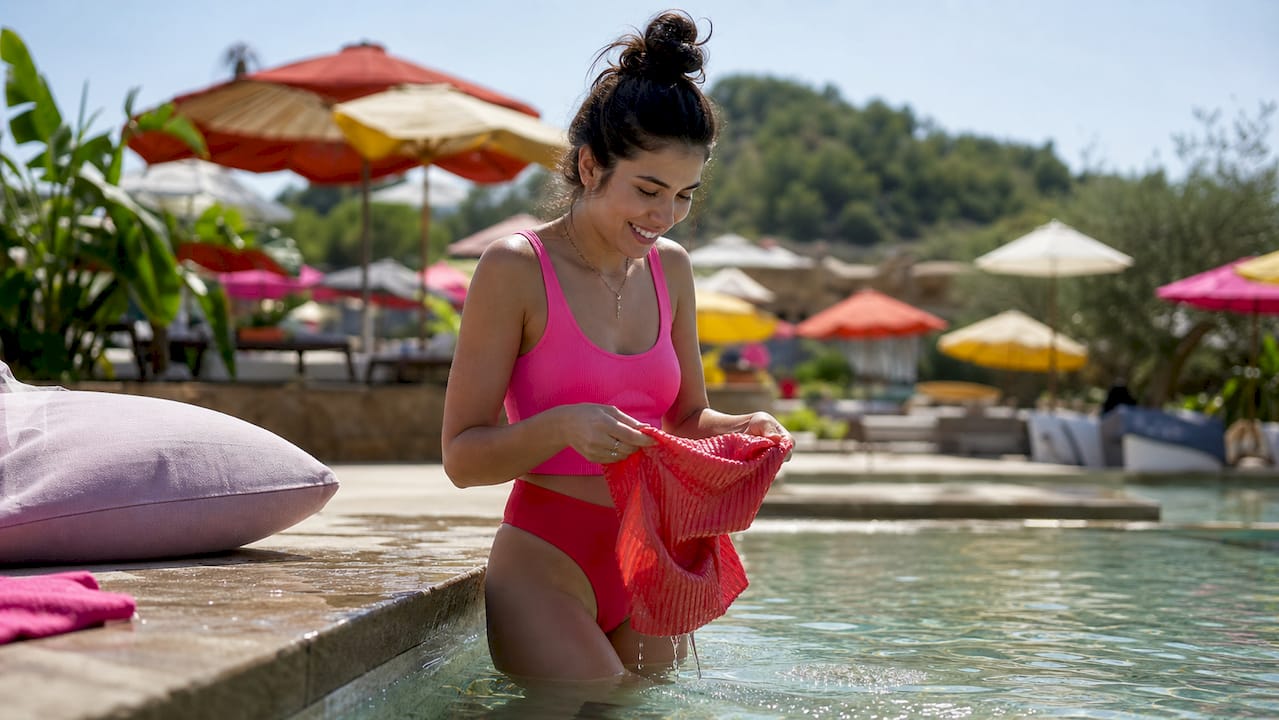
The fabric also maintains breathability throughout this process. Modern quick-dry fabrics combine moisture wicking with a soft hand feel, so you are not trading comfort for function.
2. How quick-dry fabrics improve comfort during and after swimming
Wet fabric that clings to skin causes friction, chafing, and irritation. Quick-dry swimwear eliminates that problem by moving moisture outward continuously, not just after you exit the water.
The comfort benefits break down into three clear areas:
- No clinginess. Fabric that dries fast does not stick to your body as you move between water and dry land.
- Reduced skin irritation. Prolonged contact with damp fabric breaks down the skin barrier over time. Fast drying cuts that exposure window significantly.
- Better fit retention. Wet fabric stretches and sags. Quick-dry materials hold their shape through repeated wetting and drying cycles.
- Softer feel. Quick-dry fabric is engineered to dry without stiffening, so the suit feels as soft dry as it does wet.
Fabric texture also plays a role. Crinkle and ribbed surface structures spread moisture thinner across a larger area, which accelerates evaporation compared to smooth surfaces. This is why textured quick-dry suits often outperform smooth ones in real-world conditions.
Pro Tip: Choose a suit with a fabric weight around 220–250 g/m². That range balances drying speed with durability. Very light fabrics dry fastest but may sag or degrade sooner.
3. Travel convenience: pack less, do more
The travel case for quick-dry swimwear is straightforward. Quick-dry suits reduce packing needs by 50–75%, since one or two suits can replace four or five when they dry overnight after hand washing.
For a week-long beach trip, that difference is significant. You free up luggage space, avoid checked bag fees, and spend less time managing wet laundry. Here is what quick-dry swimwear does for travelers specifically:
- Dries overnight on a towel rack or balcony railing after a light hand wash
- Requires no special detergent or machine washing while traveling
- Resists wrinkles, so it looks clean and pressed straight from your bag
- Works for back-to-back swim days without needing a second suit
The swimwear packing strategy shifts entirely when your suit dries in under an hour. You plan around activities, not laundry schedules.
Pro Tip: Pack a dark-colored quick-dry suit for travel. Darker colors absorb solar heat and convert retained moisture to vapor faster outdoors, cutting drying time even further.
4. Durability and long-term fabric performance
Quick-dry swimwear built from quality materials holds up far longer than standard suits. Premium quick-dry swimsuits maintain elasticity and shape after 100+ wash cycles without sagging or deforming. That level of durability directly affects cost per wear.
Chlorine resistance is another key factor. Polyester-spandex blends handle chlorine exposure better than most alternatives, making them the practical choice for pool swimmers. Nylon-spandex blends offer a softer feel but absorb slightly more water and show chlorine wear faster.
| Fabric Blend | Drying Speed | Chlorine Resistance | Softness | Best Use |
|---|---|---|---|---|
| Polyester-spandex | Fast | High | Moderate | Pool, active swimming |
| Nylon-spandex | Moderate | Moderate | High | Beach, fashion-forward styles |
| Recycled polyester-spandex | Fast | High | Moderate | Eco-conscious, pool use |
Polyester-spandex blends dry faster and resist chlorine better than nylon, but nylon delivers a softer, more luxurious texture. Your choice depends on where you swim most.
High-end quick-dry suits also use DWR finishes. DWR (Durable Water Repellent) coatings cause water to bead and roll off the surface, reducing initial saturation. The best versions are PFC-free, which meets current environmental compliance standards.
5. Health and hygiene benefits of moisture-wicking swimwear
Damp fabric is a breeding ground for bacteria and fungi. Moisture retention promotes fungal growth and unpleasant odors, both of which quick-dry fabrics actively reduce by cutting the time your suit stays wet.
The hygiene advantages are concrete:
- Odor control. Bacteria that cause odor need moisture to multiply. A suit that dries in 15 minutes gives those bacteria far less time to grow.
- Reduced fungal risk. Prolonged dampness creates conditions for fungal skin infections. Fast-drying fabric reduces that window of exposure.
- Less skin irritation. Wet fabric rubbing against skin over hours causes redness and rash. Quick-dry material limits that contact time.
- Better breathability. Mesh panels and breathable designs enhance airflow and evaporation, which keeps the fabric surface drier between swims.
Some quick-dry suits also include antimicrobial fabric treatments that inhibit bacterial growth directly. This adds another layer of protection beyond just drying speed.
6. Choosing the right quick-dry swimwear: fabric and features
Fabric composition determines how a quick-dry suit performs in practice. The two main options are polyester-spandex and nylon-spandex, and each fits a different use case.
Spandex percentage affects both stretch and drying speed. A suit with 15–20% spandex offers good stretch and shape retention without holding excess moisture. Higher spandex content increases elasticity but can slow drying slightly because spandex absorbs more water than polyester or nylon.
| Feature | What to Look For | Why It Matters |
|---|---|---|
| Fabric weight | 220–250 g/m² | Balances durability and drying speed |
| Spandex content | 15–20% | Good stretch without excess moisture retention |
| Surface texture | Ribbed or crinkle | Spreads moisture thin for faster evaporation |
| Lining | Minimal or mesh | Reduces layering that traps moisture |
| DWR finish | PFC-free | Water beading without environmental harm |
Fabric lining is an often-overlooked factor. Double-lined suits trap moisture between layers, slowing the overall drying process. A single-layer or mesh-lined suit dries significantly faster. For travel-friendly swimwear, minimal lining is the right call.
Understanding trendy swimwear terminology helps when reading product descriptions. Terms like “moisture-wicking,” “four-way stretch,” and “UPF-rated” all point to specific fabric properties that affect quick-dry performance.
Pro Tip: For pool use, choose polyester-spandex. For beach and resort wear where softness matters more, nylon-spandex is the better pick. Match the fabric to your primary activity.
Key Takeaways
Quick-dry swimwear delivers its core advantages through moisture transport technology, not water repellency, making fabric composition and design the deciding factors in performance.
| Point | Details |
|---|---|
| Drying speed is measurable | Quality quick-dry suits reach 80% dryness within 15 minutes in open air. |
| Travel packing shrinks significantly | One or two quick-dry suits replace four or five for a week-long trip. |
| Durability is fabric-dependent | Polyester-spandex resists chlorine and holds shape through 100+ wash cycles. |
| Hygiene risk drops with faster drying | Less moisture means less bacterial and fungal growth on the fabric. |
| Fabric weight and texture matter | A 220–250 g/m² ribbed or crinkle fabric balances drying speed and longevity. |
What I’ve learned from watching quick-dry swimwear evolve
The biggest misconception I see is that quick-dry is a marketing label. Shoppers assume it means the suit repels water entirely, then feel let down when they step out of the pool still damp. The technology is real, but it works through moisture transport, not magic. Once you understand that, the performance makes complete sense.
What has genuinely changed over the past few years is the softness of these fabrics. Early quick-dry suits felt stiff and plasticky. Current polyester-spandex blends feel close to nylon in hand feel while still drying faster and holding up better in chlorinated water. That gap has closed considerably.
The sustainability angle is also worth paying attention to. Recycled polyester now performs on par with virgin polyester for drying speed and chlorine resistance. Choosing a recycled-fiber suit is no longer a compromise. It is a straightforward upgrade for anyone who swims regularly and cares about fabric longevity.
My honest advice: invest in one or two quality quick-dry suits rather than a drawer full of cheaper ones. The durability data supports it. A suit that holds its shape through 100+ wash cycles costs less per wear than three budget suits that stretch out after a season.
— Ryan
Quick-dry swimwear and cover-ups at Dollhousebikinis
Dollhousebikinis carries swimwear built for real beach and pool use, not just photos. The collection includes styles designed with quick-dry fabrics across bikinis, monokinis, and two-piece sets, so you get both the look and the performance.
The swimwear and beach cover-up options pair quick-dry suits with lightweight cover-ups that complement the same fast-drying principle. You go from the water to the boardwalk without a wardrobe change. The two-piece swimwear sets are a strong starting point if you want a versatile quick-dry option that works for both pool days and beach trips. Free shipping applies on orders over $100.
FAQ
What does quick-dry mean in swimwear?
Quick-dry refers to a fabric’s ability to move moisture away from the skin through capillary action and release it as vapor rapidly. It does not mean the suit repels water entirely.
How fast does quick-dry swimwear actually dry?
High-quality quick-dry swimwear reaches 80% dryness within 15 minutes in open air. Darker colors and ribbed textures dry even faster by absorbing solar heat.
Is polyester or nylon better for quick-dry swimwear?
Polyester-spandex dries faster and resists chlorine better, making it the top choice for pool use. Nylon-spandex is softer and suits beach or resort wear where texture matters more.
Can quick-dry swimwear reduce skin irritation?
Yes. Prolonged damp fabric contact causes friction and redness. Quick-dry fabrics cut the time your skin stays in contact with wet material, reducing irritation and fungal risk.
How many swimsuits do I need for a week of travel with quick-dry suits?
One or two quick-dry suits are enough for a week-long trip. They dry overnight after hand washing, eliminating the need to pack four or five suits.