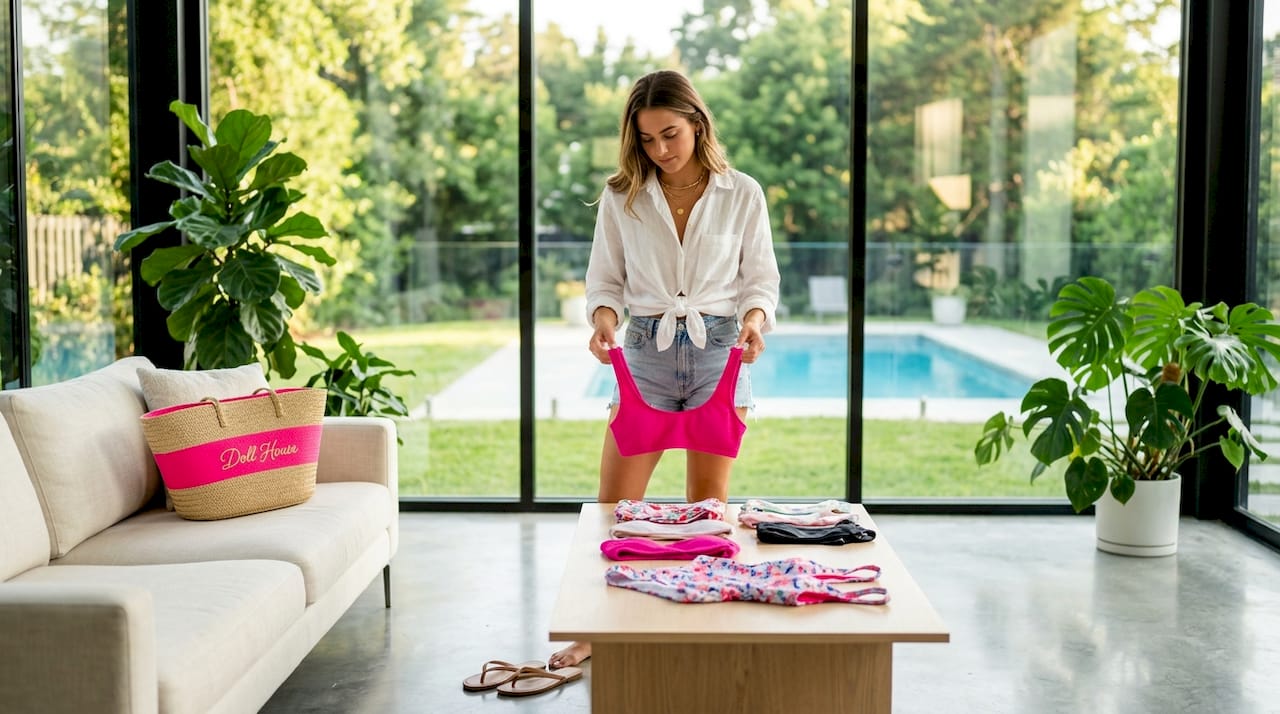
Travel-friendly swimwear features are defined by four core properties: secure fit, quick-dry fabric, UV protection, and versatile styling that crosses from poolside to streetwear. Travelers who pack one suit and wear it three ways get more from every square inch of luggage space. The industry term for this category is performance swimwear, though most shoppers search for it by its practical benefits. Brands like Solbari and Simply Merino have built entire product lines around these exact priorities, proving the demand is real and the design solutions are mature.
1. Fit features that make swimwear travel-friendly
Fit is the single most important travel-friendly swimwear feature because a suit that slips, bunches, or digs into skin forces constant adjustments throughout the day. Adjustable straps reduce slipping and let you fine-tune tension whether you are swimming laps, snorkeling, or lounging on a sun chair. That flexibility matters more on a trip than at home, where you can swap suits easily.
Structured or built-in cups add stability without requiring a separate bra. One-piece suits with built-in cups and integrated straps deliver the most consistent support during active movement, which is why they dominate the performance swimwear category. Good structure prevents bunching and tugging, two problems that compound quickly over a full beach day.
Seam placement is underrated. Flatlock seams sit flush against the skin instead of raised, which eliminates the chafing that standard seams cause during extended wear or water sports. Look for seams that run along the outer edges of panels rather than through high-friction zones like the inner thigh or underarm.
- Adjustable straps: Halter, tie, and slider-adjustable styles all work. Tie styles offer the most range; slider adjustments are faster to reset.
- Built-in cups: Removable cup pockets give you the option to add or remove padding based on activity.
- Flatlock seams: Standard in performance swimwear. Absent in most fashion-only suits.
- Stretch fabric: Four-way stretch polyamide/elastane blends move with the body without losing shape after repeated use.
Pro Tip: Try on a swimsuit and do a forward bend, a squat, and a side stretch before buying. If anything shifts or gaps, it will do the same in the water.
2. Fabric qualities that improve durability and convenience
Quick-dry fabric is the most practical of all compact swimwear features because it determines how fast you can repack and move. Polyester blends dry faster than polyamide blends and resist chlorine better, making them the default choice for frequent travelers who alternate between pools and the ocean. The trade-off is that polyamide feels softer against the skin, which matters for all-day wear.
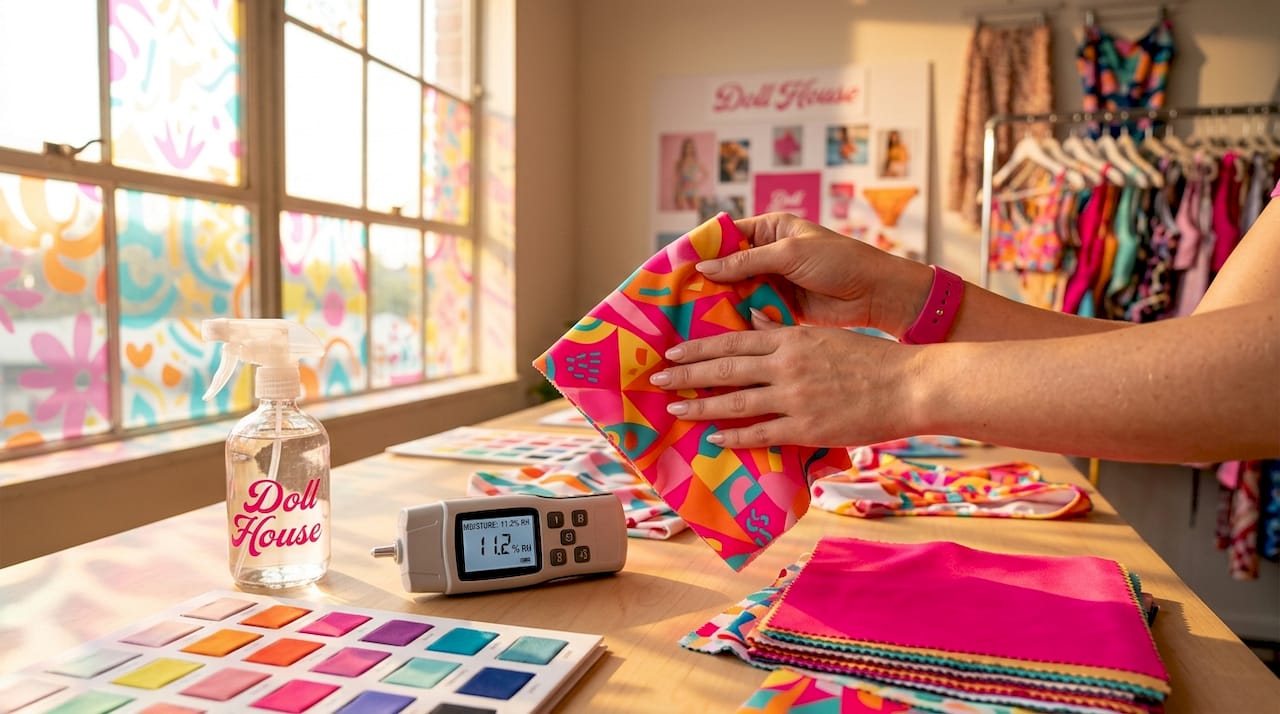
UPF 50+ sun protection is a critical travel feature, not an optional upgrade. Solbari’s long-sleeve swimsuit uses certified UPF 50+ fabric that blocks over 98% of UVA and UVB rays while remaining quick-dry, saltwater resistant, and chlorine resistant. That combination eliminates the need to reapply sunscreen to covered areas, which saves time and reduces chemical exposure during long beach days.
| Fabric | Chlorine resistance | Drying speed | Softness | Best for |
|---|---|---|---|---|
| Polyester | High | Fast | Moderate | Lap swimming, frequent pool use |
| Polyamide/Elastane | Moderate | Moderate | High | All-day wear, resort travel |
| Merino wool blend | Low | Slow | Very high | Cold-water destinations |
| Recycled nylon | High | Fast | Moderate | Eco-conscious travelers |
Chlorine and saltwater degrade elastic fibers even when the suit looks fine on the surface. Residual chlorine remains embedded in fabric after it dries, continuing to break down elastane if not rinsed out. A suit that costs more upfront but holds its shape for three seasons is a better travel investment than a budget option that goes saggy after one trip.
Pro Tip: Check the swimwear fabric guide at Dollhousebikinis before buying. Knowing the fiber content helps you predict how a suit will perform after repeated saltwater and sun exposure.
3. Multifunctional designs that cut packing weight
Versatile swimwear that doubles as casual wear is the most space-efficient packing strategy available to travelers. Simply Merino’s one-piece swimsuit uses double and triple-layered construction with adjustable straps and removable cup pockets, marketed explicitly as both swimwear and a bodysuit. One piece, two functions, zero extra items in the bag.
Reversible swimwear takes this logic further by offering two distinct color or print options within a single suit. Reversible styles effectively double your outfit options without adding weight, which is the closest thing to a packing cheat code that swimwear offers. A solid black interior paired with a printed exterior gives you a formal pool look and a casual beach look from the same piece.
- Bodysuit-compatible one-pieces: Pair with high-waisted shorts or a skirt for a complete street outfit.
- Reversible two-pieces: Two color stories, one packing cube slot.
- Swimwear with cover-up integration: The two-piece with jumpsuit coverup from Dollhousebikinis transitions from pool to lunch without a wardrobe change.
- Built-in pockets: Rare but valuable. Useful for a room key or small card during beach walks.
The practical test for multifunctionality is simple: can you walk into a restaurant or a market in this suit without looking underdressed? If yes, it qualifies as a genuine travel piece.
4. Care and drying routines that protect your suit on the road
Cold-water rinsing immediately after every swim is the single most protective care habit for travel swimwear. Elastic fibers degrade rapidly with chlorine and heat exposure, and rinsing in cold water after each swim removes the chemical residue before it can work into the fabric. This takes 30 seconds at a hotel sink and adds months to a suit’s lifespan.
- Rinse the suit in cold water immediately after leaving the pool or ocean.
- Gently squeeze out excess water. Never wring or twist the fabric.
- Use a portable centrifuge spinner if available to remove additional moisture in seconds.
- Lay flat or hang in shade to air dry. Direct sun fades color and weakens elastic.
- Store dry. Packing a damp suit into a sealed bag accelerates mildew and elastic breakdown.
Rick Steves endorses mini spin-dry machines available at Walmart that create a super-spin cycle lasting a few seconds, leaving suits barely damp. That is the difference between a suit that is ready to repack in 20 minutes versus one that needs a full overnight dry. For multi-day trips with daily swimming, this tool pays for itself on day two.
The Matador NanoDry packable towel poncho absorbs 2.3x its weight in water and weighs 10 oz, making it a practical companion for carrying and drying wet swimwear discreetly. A waterproof pouch for wet suits keeps the rest of your bag dry during transit between locations.
Pro Tip: Pack a small mesh laundry bag. It keeps your wet suit separate from dry clothes and doubles as a delicate wash bag when you reach a laundromat.
5. Choosing swimwear by activity and destination
The best swimwear for travel depends on what you are doing and where you are going. A resort pool vacation calls for different features than a surf trip to Costa Rica or a sailing charter in Greece.
| Activity/Destination | Key features needed | Recommended style |
|---|---|---|
| Pool resort vacation | Quick-dry, versatile styling | One-piece or adjustable bikini |
| Water sports and surfing | Secure fit, flatlock seams, high coverage | Sporty one-piece or rash guard set |
| High-UV tropical destination | UPF 50+, long-sleeve option | UV-protective long-sleeve swimsuit |
| City travel with occasional swimming | Lightweight, bodysuit-compatible | Minimalist one-piece |
| Cold-water or northern destinations | Insulating fabric, full coverage | Merino blend or wetsuit-style suit |
Active water sports demand the most from a suit’s fit. Straps that hold under wave impact, seams that do not chafe during paddling, and coverage that stays in place during a wipeout are non-negotiable. A fashion bikini fails all three tests in surf conditions.
For high-UV destinations, the Solbari long-sleeve swimsuit model sets the standard: UPF 50+ certification, quick-dry construction, and resistance to both saltwater and chlorine. Lightweight swimwear choices for city travel prioritize packability and a clean silhouette that reads as a top or bodysuit when paired with bottoms. The triangular adjustable bikini from Dollhousebikinis fits this profile well, with tie adjustments that pack flat and take up minimal space.
For practical packing guidance by destination type, the swimwear packing guide at Dollhousebikinis covers destination-specific recommendations in detail.
Key takeaways
The most effective travel swimwear combines UPF-rated quick-dry fabric, adjustable structural fit, and a versatile design that functions as both swimwear and casual clothing.
| Point | Details |
|---|---|
| Fit features come first | Adjustable straps, built-in cups, and flatlock seams prevent slipping and irritation during active travel. |
| Fabric determines durability | Polyester resists chlorine best; UPF 50+ fabric blocks over 98% of UV rays without sunscreen. |
| Multifunctional designs save space | Reversible suits and bodysuit-compatible one-pieces replace two or three separate packing items. |
| Immediate rinsing protects elastane | Cold-water rinsing after every swim removes chlorine before it degrades elastic fibers. |
| Match suit to activity | Surf trips need secure seams; high-UV destinations need certified UPF protection; city travel needs packability. |
What I have learned from packing swimwear for every type of trip
The conventional advice is to pack two suits so one can dry while you wear the other. That logic is sound, but it assumes both suits are average. One well-chosen performance suit with a portable spin dryer beats two mediocre suits every time. I have tested this across beach weeks and sailing trips, and the single-suit approach wins on space, weight, and simplicity.
The feature most travelers overlook is seam placement. You notice a bad seam on day three, not day one, when the cumulative friction from salt, sand, and movement finally registers. Flatlock construction is standard in performance swimwear from brands like Solbari, and it is worth specifically checking for before you buy.
Multifunctional suits have also changed how I think about packing entirely. A one-piece that works as a bodysuit under high-waisted trousers removes a top from the packing list. That is a real trade-off, not a marketing claim. The Simply Merino approach, layered construction with removable cups and adjustable straps, is the clearest example of this done well.
The care routine is where most people lose money. A $120 suit that gets wrung out and packed wet will look like a $30 suit after one trip. Thirty seconds of cold rinsing and a flat dry in shade is the entire investment. It is worth it.
— Ryan
Dollhousebikinis travel-ready swimwear
Dollhousebikinis carries styles built around the features that matter most for travel: adjustable straps, structured support, quick-dry fabrics, and versatile silhouettes that move from the pool to the street without a wardrobe change.
The swimwear and cover-up collection includes one-pieces, two-pieces, and integrated cover-up options that reduce packing bulk while keeping your look complete. The original swimsuit designs prioritize fit and fabric quality for travelers who want a suit that holds up across multiple trips. Free shipping applies to orders over $100, and the full catalog is filterable by style, coverage, and price range so you can find the right travel suit fast.
FAQ
What fabric dries fastest in travel swimwear?
Polyester blends dry faster than polyamide and resist chlorine better, making them the top choice for travelers who swim daily. High-performance suits from brands like Solbari use polyester-based fabrics specifically for this reason.
How do I keep swimwear elastic from breaking down on a trip?
Rinse in cold water immediately after every swim to remove chlorine and saltwater before they degrade the elastic fibers. Avoid wringing the fabric and always air dry in shade rather than direct sun or a dryer.
What does UPF 50+ mean on a swimsuit?
UPF 50+ is the highest rated sun protection certification for fabric, blocking over 98% of UVA and UVB rays. Solbari’s long-sleeve swimsuit uses certified UPF 50+ construction, which eliminates the need to apply sunscreen to covered skin.
Can a one-piece swimsuit work as casual wear for travel?
Yes. One-pieces with adjustable straps, removable cup pockets, and clean silhouettes, like the Simply Merino design, are built to wear as bodysuits with shorts, skirts, or trousers. This design approach directly reduces the number of tops you need to pack.
How many swimsuits should I pack for a one-week beach trip?
One high-quality quick-dry suit paired with a portable spin dryer is sufficient for most one-week trips. A second suit adds flexibility but is only necessary if your daily schedule does not allow overnight drying time.