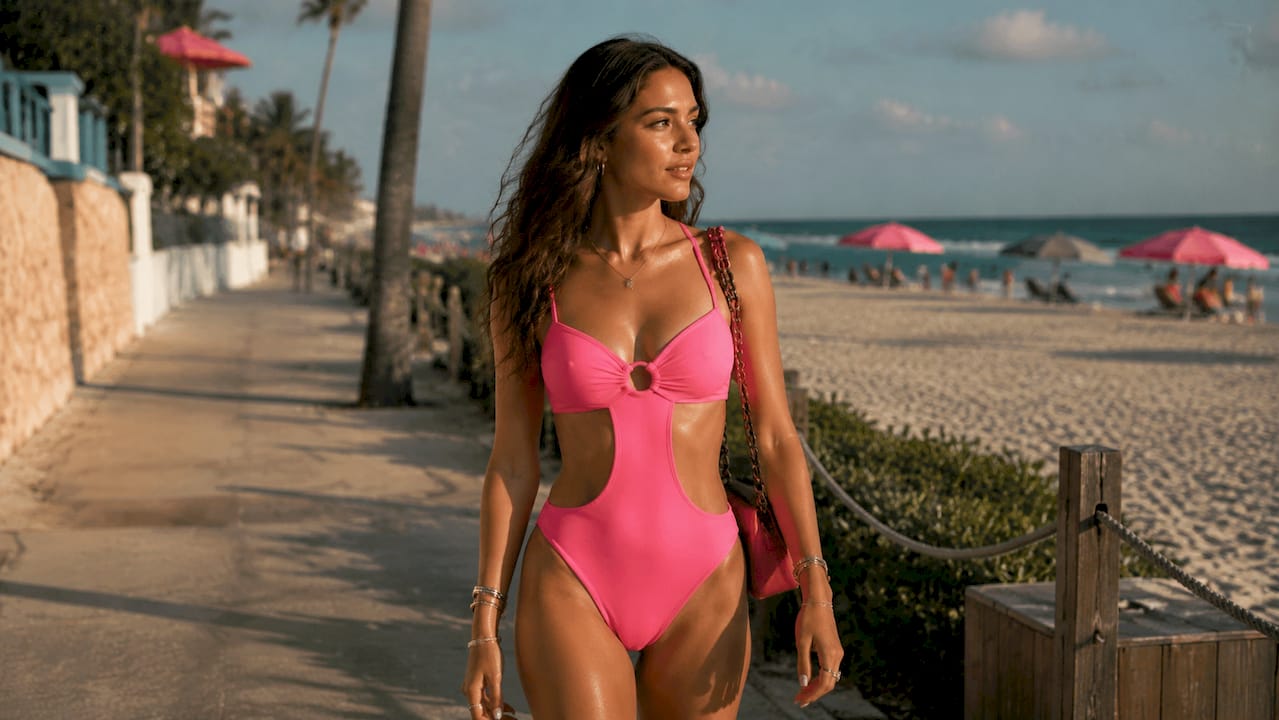
A cutout swimsuit is a swimwear style defined by intentional openings in the fabric, placed strategically to enhance aesthetics, improve airflow, and frame the body. The term “cutout” is the widely used retail and fashion industry name for this design. Brands like ASOS and Delfina Athletics have pushed this style into mainstream swimwear, and it now spans everything from modest one-piece silhouettes to bold monokinis. The appeal is direct: you get bold design and functional comfort in one suit, without the heat retention that comes with solid fabric coverage. Whether you are shopping for the beach or the pool, understanding what sets this style apart helps you choose with confidence.
What is a cutout swimsuit, and what styles are available?
Cutout swimsuits come in three main silhouettes: one-piece cutouts, monokinis, and bikinis with cutout detailing. Each delivers a different level of coverage and a different visual effect, so knowing the difference matters before you buy.
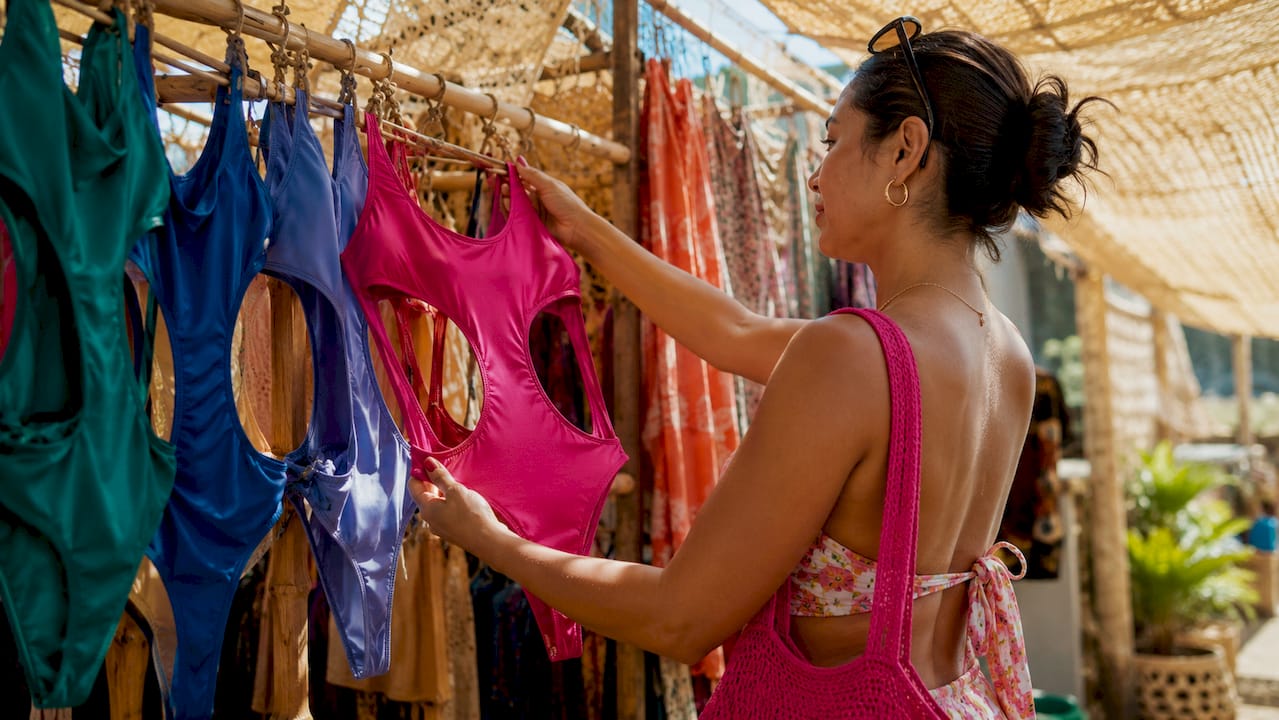
One-piece cutouts are the most structured option. They offer full front and back coverage with openings cut into the sides, midriff, back, or shoulders. This style works well for active swimming because the suit stays in place. Monokinis sit between a one-piece and a bikini. They use cutouts at the sides or center to create the illusion of a two-piece while keeping a connected frame. Bikinis with cutout detailing add openings to the top, bottoms, or both, creating visual interest without changing the two-piece format.
Cutout placement is where style profiles vary most dramatically. Here is a breakdown of the most common placements and what they do:
- Side panels: Create an hourglass shape and draw attention to the waist
- Back cutouts: Add visual interest from behind; popular in fashion-forward designs
- Shoulder cutouts: Highlight the collarbone and upper body
- Midriff cutouts: Show the midsection; common in monokinis and festival-style suits
- Neckline cutouts: Add detail without significant skin exposure
| Style | Coverage Level | Best Use | Visual Effect |
|---|---|---|---|
| One-piece cutout | High | Active swimming, laps | Structured, sporty |
| Monokini | Medium | Pool lounging, beach | Hourglass, fashion-forward |
| Bikini with cutouts | Low to medium | Sunbathing, casual swim | Bold, playful |
| Sporty cutout one-piece | High | Water sports, fitness | Streamlined, athletic |
For a broader look at how different cuts compare across swimwear categories, the bikini cuts guide at Dollhousebikinis breaks down fit and proportion in detail.
What are the functional benefits of cutout swimsuits?
Most people assume cutout swimsuits are purely decorative. Industry professionals clarify that the openings deliver real functional value in breathability and mobility. The design is not just about looks.
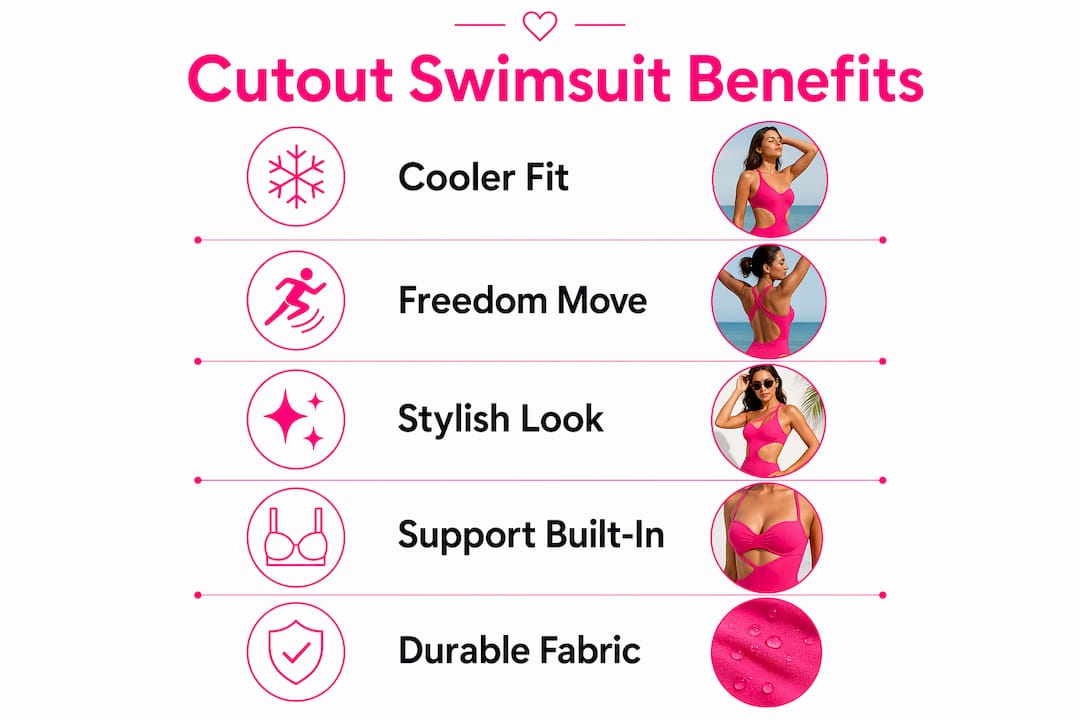
Cutout one-piece designs enhance airflow approximately 40% compared to solid fabrics. That difference is significant in humid beach conditions where solid suits trap heat against the skin. Less fabric also means less drag in the water and faster drying time after you get out.
The functional benefits of a well-made cutout swimsuit include:
- Improved airflow: Openings reduce heat buildup during sun exposure and active movement
- Reduced fabric drag: Less material in the water means easier movement for recreational swimmers
- Faster drying: Reduced fabric surface area speeds up moisture evaporation
- UPF 50+ protection: Quality suits use fabrics rated for sun protection on covered areas
- Chlorine resistance: Premium blends are tested for up to 200 hours of chlorine exposure, per material standards data
Pro Tip: Look for suits with built-in shelf bras or side stays if you plan to swim actively. Cutout designs without internal support can shift during movement, reducing both comfort and coverage.
How does cutout placement flatter different body types?
Strategic cutout placement acts as a styling tool that frames body parts and balances proportions. Style experts describe cutouts as built-in accessories. They do not just expose skin. They direct the eye.
Here is how placement maps to body type:
- Apple body type: Side cutouts at the natural waist create the appearance of a defined midsection. Avoid midriff cutouts that draw attention to the center. Back cutouts redirect focus upward and downward instead.
- Pear body type: Shoulder cutouts and neckline detailing draw the eye upward, balancing wider hips. Avoid heavy side panel cutouts at the hip line.
- Athletic body type: Diagonal cutouts and midriff openings add curves visually. Monokini styles with side cutouts create an hourglass effect on straighter frames.
- Hourglass body type: Almost any cutout placement works. Side panels reinforce the waist. Back cutouts add drama without disrupting natural proportions.
Diagonal cutouts deserve special mention. They elongate the torso visually, which makes them one of the most universally flattering placements across body types. This is why diagonal cutout monokinis appear consistently in summer collections from major swimwear labels.
Pro Tip: If you are unsure about cutout placement for your shape, start with a back cutout one-piece. It adds visual interest without changing how the front of the suit fits, making it the lowest-risk entry point into this style.
The trendy swimwear styles guide at Dollhousebikinis covers current silhouettes and how to match them to your body and occasion.
What materials and construction make a cutout swimsuit last?
The quality of a cutout swimsuit depends almost entirely on how the openings are made and what supports the fabric around them. This is where budget suits and well-made suits separate fast.
Jacquard weaving with integrated perforations is the gold standard for cutout construction. The technique weaves the pattern directly into the fabric rather than cutting it after production. The result is a clean edge that does not fray, even after repeated exposure to salt water and chlorine. Budget suits cut the fabric after weaving, which means edges break down faster.
| Construction Feature | What It Does | Why It Matters |
|---|---|---|
| Jacquard weaving | Creates integrated perforations | Clean edges, no fraying, longer lifespan |
| 4-way stretch fabric | Moves with the body in all directions | Maintains shape during active swimming |
| Recycled nylon and elastane blend | Combines stretch with durability | Resists chlorine and UV degradation |
| Military-grade stitching | Reinforces cutout stress points | Prevents stretching and shape loss |
| Shelf bra or side stays | Provides internal structural support | Keeps suit in place during movement |
Military-grade stitching at cutout edges prevents stretching and shape loss from repeated exposure to salt water and chlorine. This level of reinforcement is often absent in mass-market options. You can test for it by gently pulling the fabric around a cutout edge. Quality stitching holds firm. Weak stitching stretches immediately.
High-quality cutout suits use 4-way stretch fabrics with structural supports like shelf bras or side stays to maintain shape during movement. Recycled nylon and elastane blends with UPF 50+ ratings and chlorine resistance tested for 200 hours represent the current material benchmark. When you are comparing options, these are the specs worth checking.
Pro Tip: Check the fabric composition label before buying. A blend of at least 80% nylon or polyester with 20% elastane is the minimum for a suit that holds its shape through a full summer season.
For a deeper look at which construction features justify a higher price point, the designer swimwear features guide at Dollhousebikinis covers exactly that.
Key Takeaways
A cutout swimsuit delivers both visual impact and functional performance when the design uses quality materials, proper support structures, and strategic cutout placement.
| Point | Details |
|---|---|
| Definition | A cutout swimsuit features intentional fabric openings placed to enhance aesthetics, airflow, and body framing. |
| Style variety | One-piece cutouts, monokinis, and bikinis with cutout detailing each offer different coverage and visual effects. |
| Functional benefits | Cutouts improve airflow by approximately 40% and reduce fabric drag compared to solid swimwear. |
| Body-flattering placement | Side cutouts create waist definition; diagonal cutouts elongate the torso across most body types. |
| Construction quality | Jacquard weaving, military-grade stitching, and built-in support structures separate durable suits from budget options. |
My take on the cutout swimsuit trend
I have followed swimwear trends for years, and the cutout style is one of the few that has genuinely earned its staying power. Most trends fade because they prioritize one thing. Cutouts work because they solve two problems at once: they make a suit more interesting to look at, and they make it more comfortable to wear in heat.
What I find underrated is how much the placement decision matters. Most buyers focus on the silhouette of the suit and treat the cutout as a secondary detail. The opposite approach works better. Start with where you want the eye to go, then choose the silhouette that supports that. A well-placed side cutout on a one-piece does more for your confidence at the pool than any color or print choice.
The one mistake I see repeatedly is buying a cutout suit without checking the internal support. A suit that shifts during a swim is uncomfortable and distracting. The cutout suits worth buying always have a shelf bra, side stays, or high-tensile elastic built into the frame. That detail is not glamorous, but it is what separates a suit you wear once from one you reach for all summer.
My honest recommendation: if you are new to this style, start with a back cutout one-piece. It gives you the look without the commitment of a midriff or side opening. Once you know how the style fits your body and your comfort level, you can move toward bolder placements.
— Ryan
Shop cutout swimsuits at Dollhousebikinis
Dollhousebikinis carries a full range of cutout swimwear built for both style and performance. The collection includes one-piece cutout designs, monokinis, and two-piece sets with cutout detailing, all made with quality fabrics and proper internal support.
If you are ready to shop, the original swimsuit collection at Dollhousebikinis features cutout options designed for confident beach and pool wear. For a complete beach look, pair your suit with a beach cover-up from the same collection. Orders over $100 ship free.
FAQ
What is a cutout swimsuit?
A cutout swimsuit is a swimwear style with intentional fabric openings placed at the sides, back, midriff, shoulders, or neckline to enhance aesthetics and airflow. The design spans one-piece suits, monokinis, and bikinis.
Are cutout swimsuits good for active swimming?
Yes, provided the suit includes internal support structures like shelf bras or side stays. Cutouts without adequate support shift during movement, reducing coverage and comfort.
What cutout placement is most flattering?
Diagonal cutouts are the most universally flattering because they elongate the torso visually. Side cutouts work well for creating waist definition and an hourglass silhouette across most body types.
How long do cutout swimsuits last?
A well-made cutout suit with jacquard weaving and chlorine-resistant fabric can last a full season of regular use. Look for suits with recycled nylon and elastane blends tested for at least 200 hours of chlorine exposure.
Where can I buy quality cutout swimsuits?
Dollhousebikinis offers a curated selection of cutout swimwear in multiple styles and fits. You can also find women’s casual swimwear options across fashion apparel retailers for broader comparison shopping.