
Structured tops, high-waist bottoms, and adjustable tie elements are the most flattering bikini silhouettes for the widest range of body types. A molded-cup or underwire top paired with a ruched high-waist bottom covers the most common fit concerns in one combination. For a fast starting point, check the Dollhousebikinis sizing guide before ordering.
Three reasons these silhouettes work:
- Support: Structured and underwire tops lift and contain the bust, keeping everything in place whether you’re sitting or swimming.
- Waist definition: High-waist and mid-rise bottoms create an hourglass shape by visually narrowing the midsection.
- Adjustability: Tie closures and convertible straps let one size fit a broader range of proportions, reducing the need for returns.
Key Takeaways
The most flattering bikini for most body types combines a structured or adjustable top with a high-waist or mid-rise bottom, sized separately when top and bottom measurements differ.
| Point | Details |
|---|---|
| Structured tops flatter most | Underwire or molded-cup tops provide lift and stay in place across a full day of wear. |
| High-waist bottoms size differently | High-waist cuts can run small at the waist; always check waist measurement and size up if needed. |
| Separates solve sizing gaps | Buying tops and bottoms separately lets you match each piece to its correct size. |
| Color by skin tone, not habit | Choose bikini color by personal color season rather than defaulting to black or white. |
| Dollhousebikinis covers all silhouettes | Ruched sets, triangle tops, and high-waist styles are available with free shipping over $100. |
Table of Contents
- How do you pick the most flattering bikini for your body?
- Which bikini tops flatter different bust sizes?
- Which bikini bottoms flatter your tummy, hips, and butt?
- What design details make a bikini more flattering?
- What fabric and fit details should you check before buying?
- How do you mix and match tops and bottoms for the best fit?
- Dollhousebikinis picks: curated flattering styles
- What do stylists and testers say works in 2026?
- How do you balance proportions with bikini styles?
- What bikini styles work best by season and occasion?
- The real reason most women end up with the wrong bikini
- Dollhousebikinis: flattering styles, ready to shop
- Sources
How do you pick the most flattering bikini for your body?
Start with four priorities in order: support, coverage, adjustability, and activity. Support comes first because a top that shifts or gaps ruins every other detail. Coverage is personal, but choosing a bottom that sits where you want it (not where it migrates to) matters more than the style name on the label. Adjustability covers both straps and ties. Activity determines closure type: secure closures for water sports, lighter ties for lounging.
Three try-on questions to answer before buying:
- Does the top stay in place when you raise your arms overhead?
- Does the bottom stay put when you sit and then stand back up?
- Can you move side to side without the fabric pulling, rolling, or gaping?
If any answer is no, that’s a fit issue, not a style issue. Common red flags: gaping cups (size up or try a different cup shape), straps digging into shoulders (widen the strap or try a racerback), and bottom fabric rolling at the leg (size up in the bottom or try a different leg cut). Who What Wear’s editor picks confirm that adjustable fit and quality material are the top reasons editors return to the same bikinis season after season.
Pro Tip: If a bikini top fits your bust but gaps at the center, try sliding the center fabric inward and tying the strings slightly tighter at the back. This quick adjustment works on most triangle and bralette styles without any alterations.
Which bikini tops flatter different bust sizes?
Bust size is the single biggest variable in top selection. The right top for a 32A and the right top for a 36DD share almost no features.
Small to medium busts (A–C cup)
Triangle tops, bralettes, and bandeaus all work well here. These styles sit flat against the chest without creating bulk, and the lighter fabric lets the top follow the body’s natural shape. Ruffles, smocking, and gathered fabric at the bust add visual volume. Avoid deep plunge cuts with no center support — they can gap and shift without enough bust to hold them in place.
Dos:
- Choose tops with adjustable ties at the neck and back for a custom fit.
- Try a Beach Bay Triangle Top for a clean, adjustable silhouette.
- Use horizontal stripes or bold prints across the chest to add the appearance of width.
Don’ts:
- Skip heavily padded push-up cups if you want a natural look — they often add more volume than intended.
- Avoid very wide-set straps that pull the cups outward and away from the chest.
Pro Tip: When wearing an adjustable triangle top, gather the center fabric slightly and fold it inward before tying. Fashion editors use this trick to create the visual effect of a fuller bust without any padding.
Full and extra-full busts (D cup and above)
Underwire or structured molded-cup tops are the most reliable option. Good Housekeeping’s 2026 swimwear tests specifically cite underwire as essential for women above a D cup, providing lift and security that soft-cup styles cannot match. Wider straps distribute weight more evenly and prevent shoulder digging. Back closures with multiple hook-and-eye rows allow fine-tuning. Halter necks work for moderate support but can strain the neck over a full day.
Dos:
- Look for tops with powermesh or inner lining panels for added structure.
- Choose a top with a wider underband — it anchors the top and prevents riding up.
- Convertible straps (halter, straight, or cross-back) let you adjust for different activities.
Don’ts:
- Avoid skinny spaghetti halters — they concentrate all the weight on two narrow points and rarely stay put.
- Skip shallow-cup styles that cut across the bust rather than containing it fully.
Good Housekeeping UK’s reporting on underwired bikinis confirms that well-designed underwired swimwear does not have to look conservative — modern cuts keep the look current while delivering real support.
Which bikini bottoms flatter your tummy, hips, and butt?
Bottom choice comes down to three variables: waistline height, leg cut, and shaping details. Each one affects a different part of the silhouette.
Waistline height
High-waisted bottoms create the strongest hourglass effect by covering the lower belly and visually narrowing the waist. Vogue Scandinavia notes that high-waisted styles can run small at the waist despite their slimming appearance, so always check the waist measurement against the size chart and size up if you’re between sizes. Mid-rise bottoms offer a balance between coverage and a lower-cut look, sitting just above the hip bone. Low-rise styles work best on straighter torsos where there’s less difference between waist and hip measurements.
Leg cut
High-leg cuts elongate the leg by exposing more of the upper thigh. This works particularly well for petite frames or anyone wanting to create the appearance of longer legs. Fuller-coverage cuts (boy shorts or moderate-leg) smooth the hip and thigh area and stay in place better during active movement. Cheeky cuts lift the appearance of the butt by leaving the lower curve exposed.

Shaping details
Side ties add adjustability at the hip and let you customize coverage. Ruching along the front panel gathers fabric in a way that smooths and disguises the belly without adding bulk. Vertical seams on the front panel draw the eye up and down rather than across, creating a slimming effect. The Dollhousebikinis High Waisted V-Neck Ruched Bikini Set combines all three: high waist, front ruching, and a clean vertical center seam.

Pro Tip: To prevent a high-waist bottom from rolling down during activity, look for a wide waistband with at least an inch of structured fabric at the top. Thin waistbands on high-waist styles are the most common cause of rolling.
What design details make a bikini more flattering?
Fabric placement, print scale, and hardware all shift how the eye reads the body. These details work independently of size or silhouette.
Prints and scale:
- Small, all-over prints read as texture and don’t strongly emphasize any one area.
- Large prints draw attention to wherever they’re placed — use this intentionally (bold print on top to add bust volume, solid bottom to minimize hips, or vice versa).
- Vertical motifs (stripes, floral stems, elongated patterns) create a lengthening effect on the torso.
Ruching and seams:
- Horizontal ruching across the belly panel smooths and gathers fabric away from the skin.
- Vertical center seams on both tops and bottoms create a narrowing visual line.
- Side panels in a contrasting color or darker shade slim the waist when placed at the sides of a one-piece or high-waist bottom.
Hardware and straps:
- O-rings and D-rings at the hip or center front draw the eye to those points — place them where you want attention.
- Contrast-color straps (e.g., white straps on a black top) create a graphic line that can widen or narrow depending on direction.
- Thick straps add a structured, sporty look; thin straps read as more delicate and less supportive.
Color:
- Vogue Scandinavia recommends choosing bikini color by personal color season rather than defaulting to black or white. Warmer skin tones often look muted against stark white; cooler skin tones can look washed out in warm terracotta. For more on matching color to skin tone, the Dollhousebikinis color guide breaks down specific palettes by season.
Pro Tip: If you want a print to add volume to the bust but not the hips, choose a top with a bold print and a solid-color bottom in a similar or slightly darker tone. The contrast keeps the eye moving upward.
What fabric and fit details should you check before buying?
Fabric determines how a bikini performs, not just how it looks. Two categories cover most swimwear: textured or stretchy fabrics, and firm or structured fabrics.
Textured and stretchy fabrics (ribbed, crinkle, smocked) conform to the body and move with it. They’re forgiving across a range of sizes and tend to feel comfortable for all-day wear. The trade-off is less shaping — they don’t compress or smooth the way structured fabrics do.
Firm, structured fabrics (thicker nylon-spandex blends, scuba-style materials) hold their shape and provide more smoothing. Powermesh linings inside the cup or panel add a layer of compression without changing the exterior look. Removable cups let you customize padding. Wirecutter’s 2026 swimsuit testing highlights supportive, stay-in-place silhouettes and textured fabrics as the most consistent performers across multiple body shapes.
Sizing rules:
- Measure your bust, waist, and hips before ordering and compare to the brand’s specific size chart — not a generic size guide.
- High-waist bottoms often run a size smaller at the waist than at the hip; if your measurements fall between sizes, size up for the waist.
- Tops and bottoms can be sized separately in mix-and-match sets — this is one of the biggest practical advantages of buying separates.
Quick fixes:
- Straps too long: tie a knot at the back or use a strap adjuster clip.
- Cups gaping at the top: try a smaller cup size or a top with a higher cup cut.
- Bottom riding up: size up in the bottom or switch to a fuller leg cut.
- Use swim tape at the leg opening to keep the bottom in place during active movement.
Pro Tip: Before ordering online, check whether the brand’s size chart uses stretched or unstretched measurements. Some swimwear brands measure fabric at full stretch, which means the listed size fits a larger body than the number suggests.
How do you mix and match tops and bottoms for the best fit?
Mixing separates is the most practical way to get a flattering fit when your top and bottom sizes differ. The Dollhousebikinis mix-and-match guide covers specific pairing methods, but three activity-based rules cover most situations.
-
Vacation lounging: Pair a structured or lightly padded top with a high-waist or mid-rise bottom. This combination works for long beach days — the top stays in place without constant adjustment, and the higher-rise bottom is comfortable for sitting and walking. Choose coordinating colors or a print-and-solid combo where the print appears on whichever area you want to draw attention to.
-
Active swimming and water sports: Choose a top with a secure back closure (hook-and-eye or wide tie) and a bottom with a wide waistband and minimal side ties. Tie-side bottoms can loosen during active movement in the water. A racerback or cross-back top keeps straps from sliding during paddling or swimming laps. Solid colors and smaller prints stay sharp after repeated water exposure better than large-scale prints.
-
Sunbathing and photo looks: This is where adjustable string styles and tie-side bottoms work best. Ties let you adjust coverage and tan-line placement. A triangle top with loose ties at the neck and back gives maximum adjustability. For photos, a high-leg bottom with a solid-color top creates a clean, elongated silhouette.
Color and texture contrast: Mixing a textured top (ribbed, smocked) with a smooth bottom creates visual interest without clashing. Tone-on-tone (same color family, different shades) reads as intentional and polished. Avoid mixing two bold prints unless one is significantly smaller in scale than the other.
Dollhousebikinis picks: curated flattering styles
These Dollhousebikinis pieces map directly to the fit rules above. Each one is selected for a specific body goal.
| Style | Body Goal | Key Features |
|---|---|---|
| Floral Ruched Bikini Top and Tie-Side Bottom Set | Bust definition, adjustable hip fit | Ruched top, tie-side bottom, adjustable straps |
| High Waisted V-Neck Ruched Bikini Set | Tummy smoothing, waist definition | High waist, front ruching, structured waistband |
| Sally High Waist Two-Piece Swimsuit | Retro silhouette, full coverage | High-waist cut, coordinated top and bottom |
| Beach Bay Triangle Top | Small-to-medium bust, adjustable fit | Triangle cut, adjustable neck and back ties |
| Two-Piece Set Swimwear | Mix-and-match flexibility | Separates sizing, coordinated print options |
All styles are available through the Dollhousebikinis storefront with free shipping on orders over $100. For sizing before purchase, the complete sizing guide walks through measurements and fit checks.
What do stylists and testers say works in 2026?
Two findings from recent testing and editorial review stand out:
- Support is the top priority for larger busts. Good Housekeeping’s 2026 bikini tests consistently recommend powermesh linings, underwire, and high-waisted bottoms as the most flattering options across body types. Structured tops with inner linings outperform soft-cup styles on both comfort and silhouette.
- Adjustability and texture serve the broadest range of bodies. Wirecutter’s 2026 swimsuit testing ranks silhouettes on coverage and stay-in-place performance, with adjustable and textured styles consistently scoring well across multiple body shapes.
On color and targeted shaping, the 2026 stylist consensus has shifted:
How do you balance proportions with bikini styles?
Proportion balancing is about drawing the eye toward what you want to emphasize and away from what you don’t. Two common situations come up most often: broader shoulders and narrower hips.
Broader shoulders: Choose a bottom with volume or detail — side ties, ruffles at the hip, or a bold print on the bottom — to visually widen the lower half. Keep the top simple: a solid color, minimal hardware, and a straight or bandeau cut rather than a wide-set halter that extends the shoulder line further. A high-leg bottom also helps by elongating the leg and drawing the eye downward.
Narrower hips: The goal is to add visual width at the hip. Side ties, hip-level hardware (O-rings, D-rings), and horizontal patterns on the bottom all work. A fuller-coverage bottom with a patterned waistband adds structure at the hip. Pair with a simpler top to keep the visual weight at the lower half.
Petite frames: High-leg cuts and minimal coverage bottoms avoid cutting the leg line short. A monokini or a top with a shorter torso cut prevents the swimwear from overwhelming a smaller frame. Vertical seams and elongated prints keep the eye moving up and down rather than across.
Taller frames: More coverage and bolder prints work well — there’s more body to carry them. Wide-set straps, longer torso tops, and mid-rise or high-rise bottoms fill the frame proportionally. Horizontal details at the waist create definition on a longer torso.
For a deeper breakdown by body type, the Dollhousebikinis body type style guide covers additional silhouette combinations.
What bikini styles work best by season and occasion?
The occasion determines which features matter most. A bikini that’s perfect for a resort pool may not hold up for a full day of paddleboarding.
Beach vacation: Versatility is the priority. A structured top that works for both swimming and walking the boardwalk, paired with a mid-rise or high-waist bottom, covers most situations. Pack a cover-up for transitions. The Dollhousebikinis beach cover-up pairs with most two-piece sets for a complete look.
Pool parties: This is the occasion for bolder prints, brighter colors, and statement hardware. Coverage matters less than visual impact. Triangle tops, tie-side bottoms, and color-blocked sets all work well. Lighter fabrics dry faster between pool and lounge chair.
Water sports (surfing, paddleboarding, kayaking): Secure closures are non-negotiable. A top with a wide back closure and no loose ties, paired with a bottom that has a wide waistband and no side ties, stays in place through active movement. Darker colors and smaller prints hold up better after repeated sun and water exposure.
Early summer (May–June): Lighter fabrics and brighter colors suit the season. Pastels, florals, and warm-toned prints align with the color trends stylists highlight for early summer 2026.
Peak summer (July–August): Bold prints, high-contrast color combinations, and statement cuts. This is the season for the looks you’ve been saving — high-leg, cheeky, or micro styles that work best with a full tan.
Travel: Pack mix-and-match separates. Two tops and two bottoms give four combinations in minimal luggage space. Solid colors and one neutral print cover the most combinations without clashing.
The real reason most women end up with the wrong bikini
Most fit problems come from buying a bikini as a matched set in a single size when the body actually needs two different sizes — one for the top, one for the bottom. The swimwear industry has normalized matched sets, but the body hasn’t. A woman who wears a size small top and a size medium bottom will always compromise fit in a matched set. Separates solve this completely, and yet most shoppers still default to sets out of habit.
The second overlooked issue is fabric firmness. Soft, stretchy fabrics feel comfortable in the dressing room but provide no shaping. Structured fabrics feel tighter initially but hold their shape through a full day of wear. The most flattering bikini is almost never the most comfortable one to try on cold — it’s the one that still looks right after three hours at the beach.
Color is the third variable most women get wrong. Black is not universally flattering. It reads as a safe choice, but on certain skin tones and in certain light conditions, it flattens rather than defines. Choosing a color that works with your personal coloring — warm, cool, or neutral — makes a bigger difference than the silhouette in many cases.
Dollhousebikinis: flattering styles, ready to shop
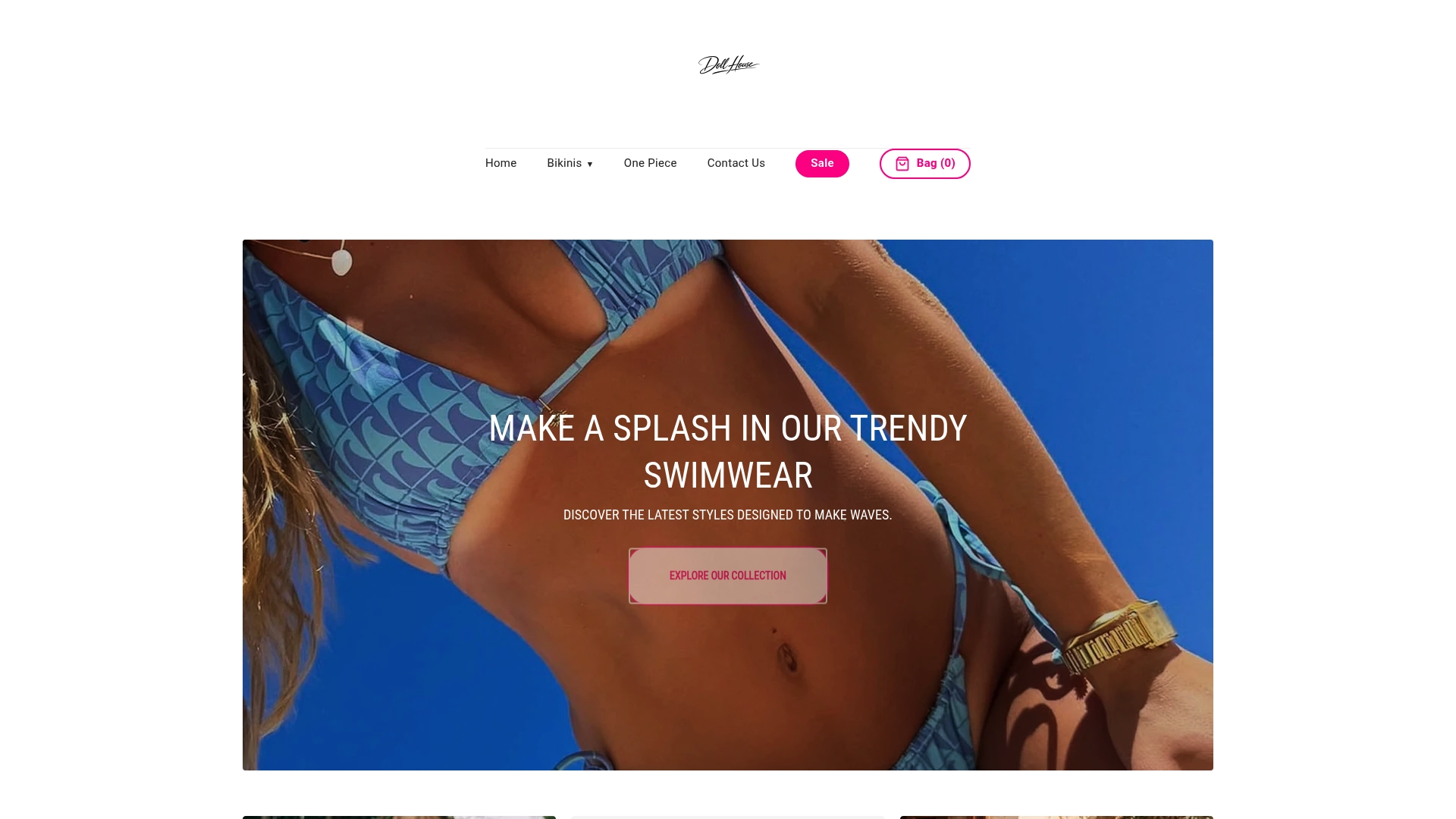
Dollhousebikinis carries the full range of silhouettes covered in this guide: high-waist ruched sets, triangle tops, structured two-piece sets, and mix-and-match separates. Every style ships with free shipping on orders over $100, and the sizing guide takes the guesswork out of ordering online. The Floral Ruched Bikini Top and Tie-Side Bottom Set is a strong starting point for most body types — the ruched top adds definition, the tie-side bottom adjusts to the hip, and the set is available in separates sizing. For a high-waist option with built-in smoothing, the High Waisted V-Neck Ruched Bikini Set delivers waist definition and front ruching in one piece. Browse the full collection at Dollhousebikinis and use the sizing guide before checkout.
Sources
- 13 Best Bikinis of 2026, Tested by Swimwear Experts
- 15 Best Women’s Swimsuits of 2026 | Reviews by Wirecutter
- The best bikinis to buy for summer 2026 - Vogue Scandinavia
- The 10 Bikinis an Editor Wears Over and Over Again (and Why) | Who What Wear