
Fashion-branded bikinis are swimwear crafted with high-quality fabrics and purposeful design that elevate both appearance and comfort. The question of why wear fashion-branded bikinis comes down to three things: material performance, fit engineering, and lasting style value. Budget swimwear prioritizes low cost over construction. Branded swimwear prioritizes how the suit performs across multiple seasons, how it holds its shape in saltwater and chlorine, and how it makes you feel when you wear it. This guide breaks down every advantage so you can make a purchase you won’t regret.
Why wear fashion-branded bikinis instead of fast fashion?
The core difference between branded and budget swimwear is fabric composition. Premium branded bikinis use nylon-elastane blends, typically 80–85% nylon and 15–20% elastane, engineered for elastic recovery and chlorine resistance. Budget suits commonly use polyester-elastane blends that stretch out faster and fade after a few wears. That difference in raw material directly affects how long your suit stays flattering.
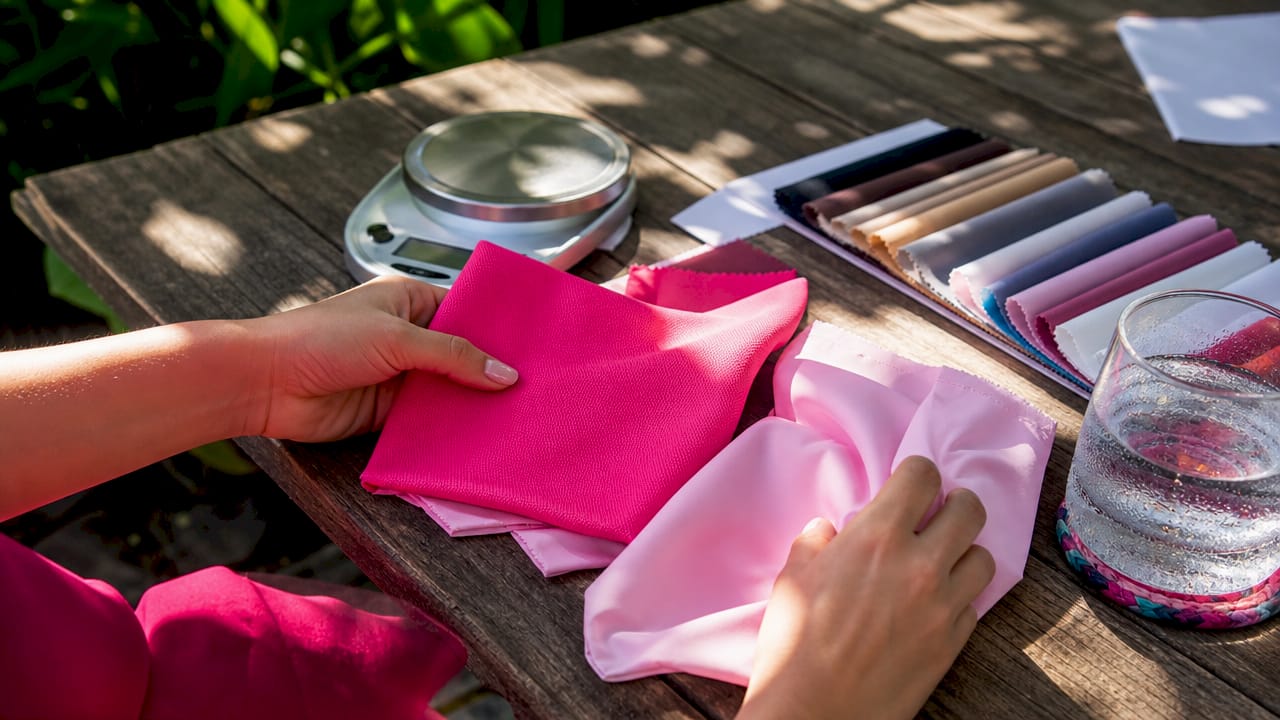
Luxury bikinis use high-grade double-lined materials resistant to chlorine, saltwater, and UV damage, maintaining shape and color far better than thinner fabrics. This matters most if you swim regularly or vacation in sunny climates. A suit that fades or bags out after one trip is not a bargain at any price.
Construction details separate branded suits even further from fast fashion. Premium swimsuits incorporate reinforced seams, adjustable straps, and multiple lining layers to enhance fit, durability, and comfort. Full lining prevents transparency when wet. Power-mesh panels add support without bulk. These are not luxury extras. They are functional design choices that change how the suit wears on your body.
- Fabric blend: 80–85% nylon, 15–20% elastane for shape retention
- Double lining: prevents transparency and adds structure
- Reinforced seams: resist stress at high-movement points
- Adjustable hardware: allows a custom, secure fit
- Chlorine and UV resistance: preserves color and elasticity over time
Pro Tip: Check the fabric tag before buying. If a bikini lists more than 20% polyester in the main shell, expect faster stretch loss and color fade, especially with regular pool use.
How do branded bikinis improve fit and confidence?
Fit engineering is where branded swimwear separates itself most clearly from mass-market options. Designer swimsuits prioritize specific cut patterns, sizing considerations, and supportive construction that differ from standard comfort sizing. Branded suits are often cut tighter to create a cleaner silhouette, which means sizing up from your usual dress size is common and expected. Knowing this upfront prevents the frustration of ordering and receiving a suit that feels too snug in the wrong places.
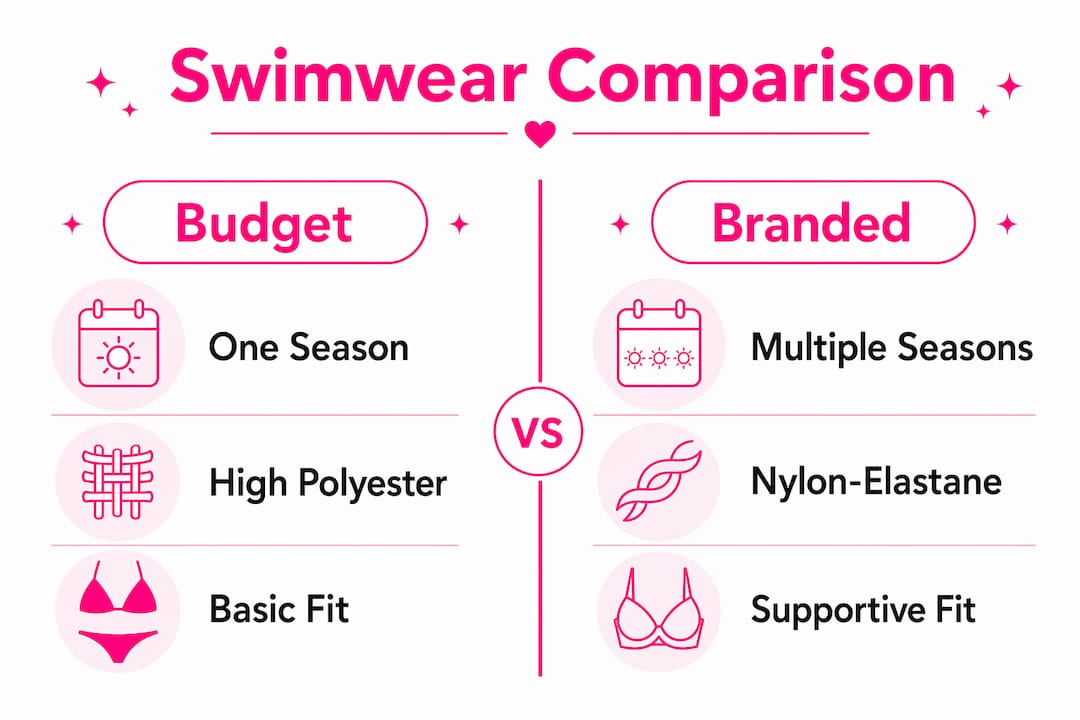
Support features in branded bikinis go well beyond basic coverage. Underwire cups, molded foam padding, and structured bralette tops all serve a functional purpose. They distribute weight evenly, reduce movement during activity, and create a lifted, defined shape. For women with larger busts, these features are not optional. They are the reason a branded top stays in place during a beach volleyball game when a budget top would not.
The psychological effect of a well-fitting suit is real. Women increasingly select confidence-driven swimwear with intentional flattering silhouettes rather than fast fashion that prioritizes trends over wearability. A suit that fits correctly removes self-consciousness and lets you focus on the experience rather than adjusting your top every five minutes.
Four fit features that define branded bikini construction:
- Cup engineering: Molded or underwire cups that shape and support without padding bulk
- Adjustable tie and strap systems: Let you customize coverage and tension at the shoulders and neck
- High-cut leg openings: Lengthen the leg line and create a more defined waist
- Structured waistbands: Hold bottoms in place during movement without digging in
“Women are rejecting fast fashion’s fleeting trends in favor of swimwear that builds lasting confidence through thoughtful design and quality materials. The shift is not about spending more. It is about buying better.”
Is investing in branded swimwear worth the cost?
Cost per wear is the most honest way to evaluate swimwear value. Premium DTC branded bikinis cost $90–$300+ but deliver longer fabric longevity and consistent fit across seasons. Budget sets in the $30–$60 range typically last one season before the fabric loses elasticity or the color fades. A $120 branded set worn across three summers costs $40 per season. A $40 budget set replaced every year costs the same, but performs worse each time.
Cost per wear analysis confirms that premium branded swimwear is more cost-effective over multiple seasons than replacing cheaper suits annually. Premium suits maintain opacity and shape long-term. That means no embarrassing transparency after a dive, and no saggy bottoms by mid-July.
Sustainability is the second financial argument. Luxury swimwear brands focus on sustainability, offering recycled materials and responsible production as part of their appeal. Fabrics like ECONYL, a regenerated nylon made from ocean waste, appear across premium swimwear lines. Buying one well-made suit instead of three disposable ones reduces textile waste and supports better production practices. That is a benefit that extends beyond your wardrobe.
| Factor | Budget swimwear | Branded swimwear |
|---|---|---|
| Average lifespan | One season | Multiple seasons |
| Fabric performance | Fades, stretches out quickly | Retains shape and color |
| Cost per season | $30–$60 annually | $40–$100 spread across years |
| Sustainability | Fast fashion waste cycle | Recycled fabrics, responsible production |
| Fit consistency | Varies by batch | Engineered and consistent |
Pro Tip: Extend the life of any premium suit by rinsing it in cold fresh water immediately after saltwater or pool use. Learn more about bikini care and maintenance to protect your investment.
What bikini fashion trends make branded swimwear the right choice in 2026?
Fashion trends in 2026 emphasize elegant minimalism, earthy tones, and resort-ready silhouettes that favor versatile, confidence-building swimwear styles. This direction plays directly to the strengths of branded swimwear. Clean lines, neutral palettes, and refined cuts require precise construction to look intentional rather than plain. A budget suit in a beige tone looks cheap. A well-constructed one in the same color looks polished.
The swimwear industry is responding to consumer demands by offering styles that integrate comfort and support engineering to meet diverse body needs. Resort culture and luxury travel aesthetics are driving demand for swimwear that transitions from the pool to a beachside lunch without looking out of place. Branded bikinis with structured tops and tailored bottoms meet that standard. Fast fashion pieces rarely do.
Current trends that align with branded swimwear strengths:
- Elegant minimalism: Simple silhouettes with clean seam lines that require precise construction
- Earthy and neutral tones: Colors that only look intentional on quality fabric
- High-waisted bottoms: Structured waistbands that hold their shape throughout the day
- Triangle and bralette tops: Require good fabric weight to avoid transparency or sagging
- Resort-ready layering: Suits designed to pair with cover-ups and beach accessories
Shoppers who want to stay current with 2026 swimwear trends while getting real wear out of their purchase will find that branded swimwear is the only category that consistently delivers both. Trend-chasing in fast fashion means buying a new suit every season. Investing in a branded piece in a current silhouette means wearing it for years. The same logic applies to lifestyle apparel choices across categories: quality construction outlasts trend cycles.
Key Takeaways
Fashion-branded bikinis outperform budget swimwear in fabric durability, fit precision, cost per wear, and alignment with current style trends, making them the more practical and confident choice for regular beach and pool wear.
| Point | Details |
|---|---|
| Fabric composition matters | Nylon-elastane blends in branded suits resist chlorine, UV, and saltwater far better than polyester alternatives. |
| Fit engineering is functional | Reinforced seams, molded cups, and adjustable straps create a secure, flattering fit that holds through activity. |
| Cost per wear favors premium | A $120 suit worn across three seasons costs less per use than a $40 suit replaced every year. |
| 2026 trends favor quality construction | Minimalist, earthy silhouettes only look polished on well-made fabric. |
| Sustainability adds long-term value | Recycled fabrics like ECONYL and reduced replacement frequency lower the environmental cost of your wardrobe. |
What I’ve learned from watching the swimwear market shift
The most significant change I’ve observed over the past few years is not about price points. It is about intention. Shoppers are asking better questions before they buy. They want to know what the fabric is made of, how the suit will perform after 20 pool sessions, and whether the silhouette will still look current next summer. That shift in consumer behavior is what is pushing fast fashion swimwear out of the conversation for anyone who swims more than twice a year.
The argument I hear most often against branded swimwear is that it costs too much. That argument only holds if you compare the sticker price and ignore everything else. When you factor in replacement frequency, fit consistency, and the confidence difference between a suit that fits correctly and one that does not, the math changes quickly. A suit you feel good in gets worn. A suit you feel uncertain in stays in the drawer.
My honest recommendation: treat swimwear the way you treat shoes. You would not buy the cheapest pair of shoes for a trip that involves a lot of walking. The same logic applies to a week at the beach. One well-made suit from a brand that knows how to spot quality beats three mediocre ones every time. Buy less, buy better, and wear it with confidence.
— Ryan
Dollhousebikinis premium swimwear for every style
Dollhousebikinis carries a full range of fashion-forward swimwear built for real wear, from structured bikini sets to one-piece swimsuits and beach cover-ups.
Every piece in the collection uses quality fabrics and purposeful construction to deliver the fit and durability this article describes. The original premium swimsuit is a strong starting point for shoppers who want a reliable, flattering silhouette. For a complete beach look, the two-piece swimsuit with jumpsuit coverup pairs pool-ready style with resort-ready coverage. Free shipping applies to orders over $100, and new arrivals are added regularly across all categories.
FAQ
What makes a bikini “fashion-branded”?
A fashion-branded bikini is one produced by a label that prioritizes fabric quality, fit engineering, and consistent design standards over low-cost mass production. These suits use higher-grade materials and construction methods that distinguish them from generic fast fashion swimwear.
Are branded bikinis worth the higher price?
Yes, when measured by cost per wear. Premium branded suits last multiple seasons while budget suits typically last one, making the long-term cost comparable or lower for the branded option.
How should I size a designer bikini?
Branded suits often run smaller because of tighter aesthetic cuts. Size up from your standard dress size to get the correct fit, especially in structured tops with cup engineering.
What fabric should I look for in a quality bikini?
The best performing bikini fabrics use 80–85% nylon and 15–20% elastane. This blend provides elastic recovery, chlorine resistance, and UV protection that polyester-heavy alternatives cannot match.
How do 2026 swimwear trends favor branded bikinis?
Current trends focus on elegant minimalism, earthy tones, and resort-ready silhouettes. These styles require precise construction and quality fabric weight to look polished, which is where branded swimwear consistently outperforms fast fashion.