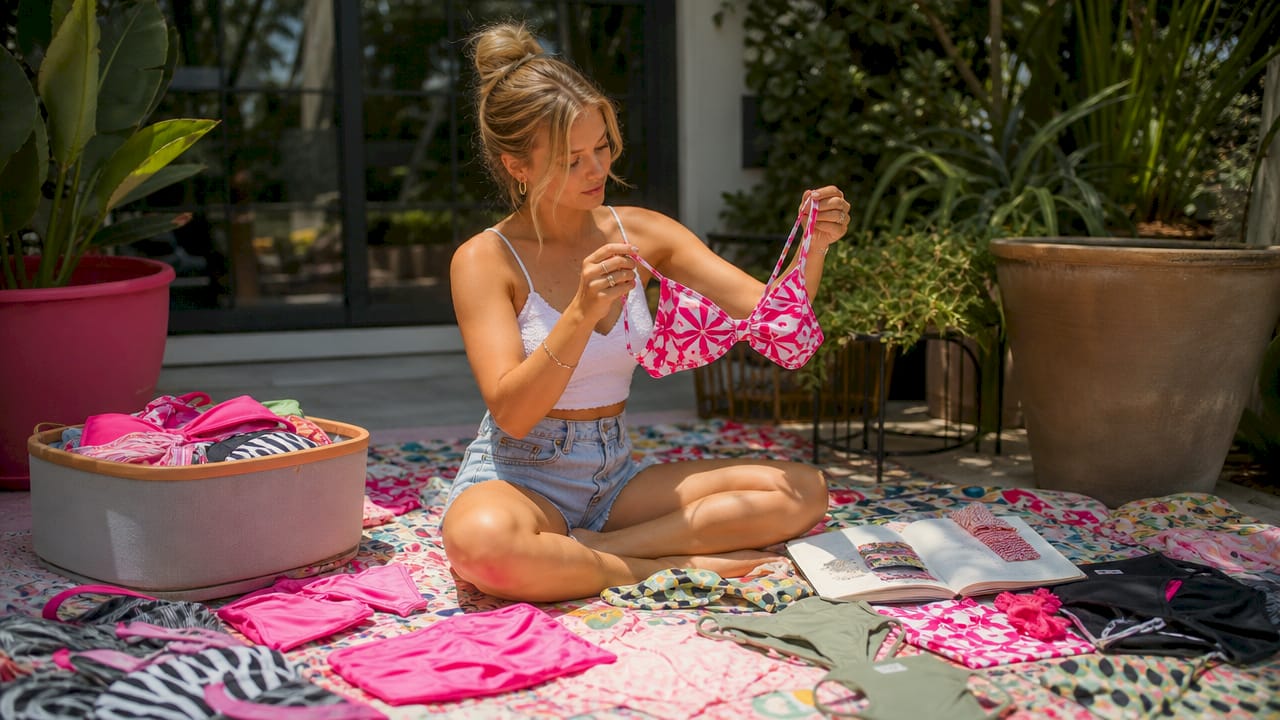
Refreshing your swimwear wardrobe means updating your collection with versatile, trend-right pieces while extending the life of what you already own through proper care and smart styling. This guide covers everything from auditing your current suits and applying textile-backed care techniques to dyeing faded pieces and building a capsule collection that works harder for you. The goal is a swimwear lineup that looks current, fits well, and lasts longer without requiring a full replacement haul.
How to refresh your swimwear wardrobe: start with what you have
The most effective swimwear refresh begins with an honest audit of your current collection. Pull everything out, lay it flat, and check each piece for three things: fit, fabric condition, and style relevance. A suit that gaps, sags, or has lost its elasticity is not worth keeping, no matter how much you paid for it.
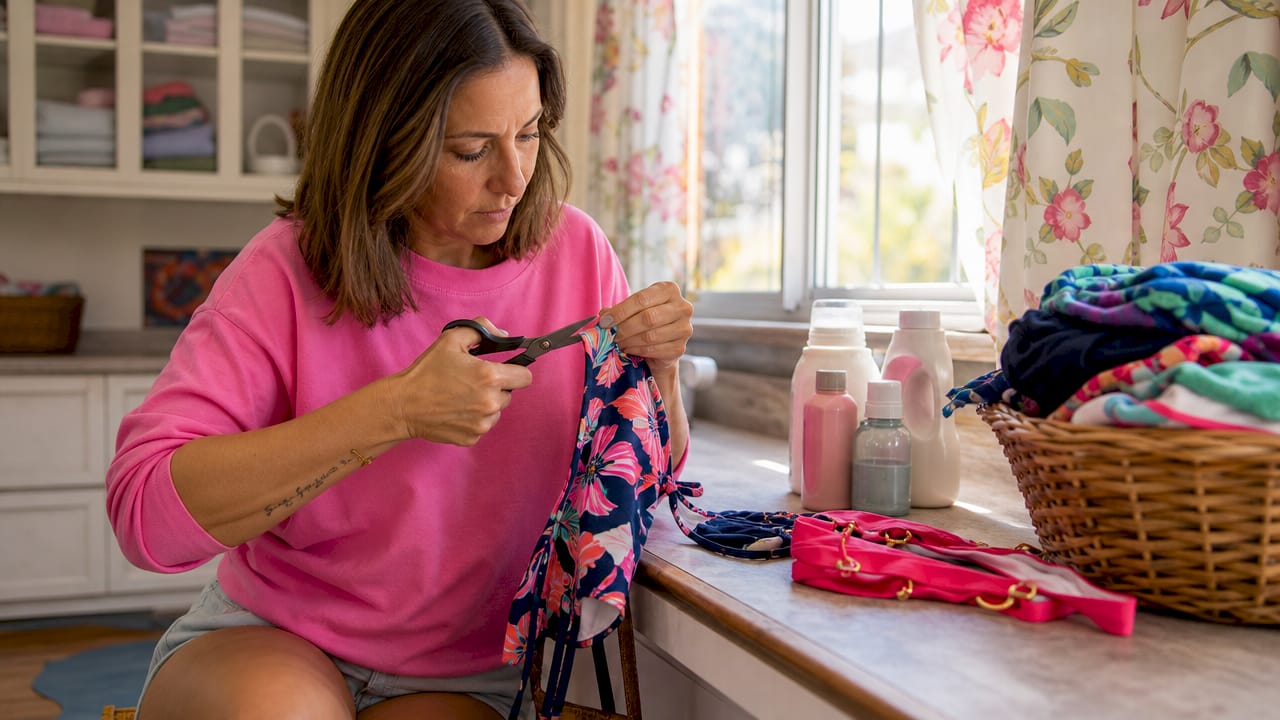
Once you identify what still works, sort your pieces into three groups: keepers, candidates for repair or dyeing, and pieces to retire. Keepers are suits that fit well and still look current. Candidates include faded but structurally sound pieces that can be revived. Anything stretched beyond recovery or with broken hardware goes.
A swimwear capsule wardrobe works best with three core categories: a classic neutral, a bold color or print, and at least one multifunctional piece that doubles as a bodysuit or casual top. This structure reduces overbuying and maximizes outfit combinations. Think a black one-piece, a tropical print bikini set, and a bandeau top you can wear tucked into high-waisted shorts.
When assessing style relevance, check current trends without chasing every one of them. Metallic hardware, halter necks, and high-waisted bottoms have strong staying power. If your existing suits align with these silhouettes, they are worth keeping and styling up rather than replacing.
- Check for fabric pilling, stretched straps, and faded color
- Test the elastic by gently pulling; it should snap back firmly
- Assess whether the cut still flatters your current body and lifestyle
- Identify which pieces work as mix-and-match separates
- Flag faded but structurally sound suits for the dyeing process
Pro Tip: Take photos of your full collection laid flat before you start. This gives you a clear visual inventory and makes it easier to spot gaps when you shop.
How to care for swimsuits to make them last years longer
Proper care is the single biggest factor in how long a swimsuit stays wearable. Proper care habits like immediate rinsing, gentle hand washing, and flat air drying can extend a swimsuit’s lifespan to 3–5 years instead of 1–2 seasons. That is a significant return on your investment for a quality piece.
The science behind this is straightforward. Pool water pH below 5.0 accelerates nylon fiber degradation. This means the chlorinated water sitting in your suit after a swim is actively breaking down the fabric. Rinsing immediately with fresh, cool water stops that process.
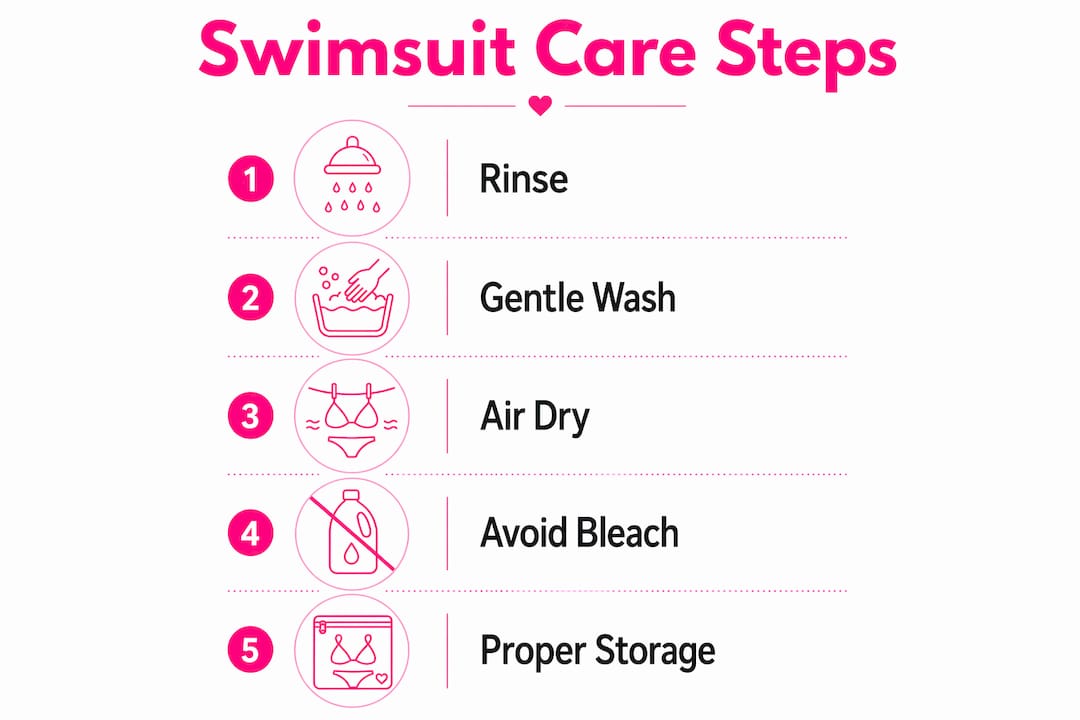
Follow this care sequence after every swim:
- Rinse the suit thoroughly under cool, fresh water within 30 minutes of leaving the pool or ocean.
- Fill a sink with cool water and add a small amount of mild, pH-neutral detergent or a product designed for delicates.
- Gently squeeze the suit through the water. Do not twist or wring the fabric.
- Rinse again until the water runs clear and no soap remains.
- Lay the suit flat on a clean towel in a shaded area to dry.
Never hang a wet swimsuit. Hanging wet swimsuits causes permanent fabric stretching because the water weight pulls the fibers out of shape. Flat drying on a towel in the shade maintains both the fit and the color.
Two products to avoid completely: bleach and fabric softener. Fabric softeners degrade elastane and trap odors by clogging fabric pores, which harms both the stretch and the hygiene of your suit. Bleach destroys color and weakens fibers in a single wash. Machine washing and drying damages elastane and distorts shape. Hand washing and air drying are the only methods that preserve a quality suit long term.
Pro Tip: Keep a small bottle of delicate wash in your beach bag. Rinsing your suit at the beach shower and doing a quick hand wash when you get home takes less than five minutes and adds years to the fabric.
Can you dye a faded swimsuit back to life?
Yes, and it works well when you match the dye type to the fabric. The key is identifying what your suit is made from before you buy anything. Check the care label for the fiber content.
Fiber-reactive dyes work for 100% nylon or nylon-spandex blends, while disperse dyes are required for polyester-based swimwear. Using the wrong dye type produces uneven color or no color at all. Most swimwear sold in the United States is nylon-spandex, so fiber-reactive dye is the more common choice.
| Fabric Type | Correct Dye | Water Temperature |
|---|---|---|
| Nylon / Nylon-Spandex | Fiber-reactive dye | Warm (not hot) |
| Polyester | Disperse dye | Hot (near boiling) |
| Polyester-Spandex blend | Disperse dye (with care) | Moderate heat |
Follow this process for best results:
- Wash the suit thoroughly to remove sunscreen, oils, and chlorine residue.
- Inspect for any logo prints or decorative patches you want to protect. Mask them with petroleum jelly or tape.
- Mix the dye according to package instructions. Use a container large enough to submerge the suit fully.
- Submerge the suit and stir continuously for the first 10 minutes, then periodically for 30–45 minutes total.
- Rinse under cool water until the water runs clear, then hand wash with mild detergent and flat dry in the shade.
Pro Tip: Test the dye on a small hidden section of the suit first, like the inside of a strap. This confirms the color result before you commit to the full piece.
Dyeing is also a genuine sustainability move. Reviving a faded suit keeps it out of a landfill and gives you a custom color result that no store can replicate. Solid-color suits in nylon-spandex respond best. Printed suits are harder to dye evenly, so focus your dyeing efforts on plain pieces.
Styling strategies to modernize older swimwear
Updating your swimwear look does not require buying new suits. Accessories, metallic hardware, and bandeau styles can modernize older swimsuits without new purchases. The right additions shift the entire feel of an outfit.
Check out the bikini accessories guide from Dollhousebikinis for specific product picks that work across multiple suit styles. Accessories are the fastest way to make last year’s swimwear look current without spending much.
- Cover-ups: A linen shirt, a crochet wrap, or a satin mini dress worn over a bikini creates a full beach-to-bar look.
- Hats: A wide-brim straw hat or a knitted fisherman hat adds a style layer that photographs well and protects from sun.
- Jewelry: Layered gold chains, shell pendants, and anklets work with almost any suit color.
- Bags: A woven tote or a clear beach bag in a contrasting color pulls a look together.
- Swimwear as tops: A bikini top tucked into wide-leg trousers or a high-waisted skirt extends your swimwear into casual daywear.
The mix-and-match approach is the most practical styling strategy for a small collection. A black triangle top pairs with floral bottoms, a sporty one-piece works under an open button-down, and a halter bikini top functions as a going-out top. Three suits can produce a dozen distinct looks when you treat the pieces as separates.
Refreshing your wardrobe through accessories and layering rather than full replacement is also the more cost-effective path. A $20 hat and a $15 cover-up deliver more visual variety than a single new suit at the same combined price.
What to buy when your collection genuinely needs new pieces
Sometimes a refresh requires actual new purchases. The goal is to buy intentionally, not reactively. Focus on pieces that fill a specific gap in your current collection rather than duplicating what you already own.
Swimwear often runs small due to firm, compressive fabrics. Sizing up one size from your usual and choosing four-way stretch fabrics gives better comfort and shape retention over time. This is especially true for one-pieces and high-waisted bottoms, where fit across multiple body points matters most.
- Prioritize four-way stretch fabrics for comfort and durability across seasons
- Choose pieces that double as bodysuits for maximum wear outside the pool
- Invest in one quality neutral before buying trend-driven colors
- Check the swimwear sizing guide before ordering online to avoid returns
- Review current swimwear trends to confirm a piece has staying power before buying
The seasonal nature of swimwear means prices drop significantly after peak summer. Buying quality pieces in late august or september for the following year is a practical move that most shoppers overlook.
Key Takeaways
A refreshed swimwear wardrobe requires care, intentional styling, and targeted purchases rather than a full replacement of your collection.
| Point | Details |
|---|---|
| Audit before buying | Check fit, fabric condition, and style relevance before purchasing anything new. |
| Care extends lifespan | Immediate rinsing, hand washing, and flat drying can extend swimsuit life to 3–5 years. |
| Dye faded suits correctly | Match dye type to fabric: fiber-reactive for nylon-spandex, disperse dye for polyester. |
| Accessories modernize looks | Hats, cover-ups, and jewelry update older suits without requiring new swimwear purchases. |
| Buy to fill gaps only | Size up, choose four-way stretch, and prioritize pieces that serve multiple outfit purposes. |
What I’ve learned from refreshing swimwear the hard way
The biggest mistake I see is treating a swimwear refresh as a shopping event. It is not. The most stylish collections I have seen belong to people who own fewer pieces and care for them properly. A well-maintained suit in a classic silhouette always looks better than a pile of cheap replacements bought in a panic before a vacation.
The dyeing tip changed how I think about faded suits entirely. I had a nylon-spandex one-piece that had gone from deep navy to a washed-out gray after two summers of heavy use. A fiber-reactive dye brought it back to a rich color in under an hour. That suit is now in its fourth season.
My honest recommendation: build around three to five pieces maximum. One neutral one-piece, one printed bikini set, and one or two mix-and-match separates cover almost every occasion. Accessories do the rest. The fashion accessories checklist from ZINGS 365 is a useful reference for building out that layer without overspending.
Quality over quantity is not a cliché here. It is the actual math. One $80 suit cared for properly outlasts four $20 suits by years and costs less per wear.
— Ryan
Dollhousebikinis swimwear picks for your next refresh
Dollhousebikinis carries the kind of pieces that work as capsule wardrobe anchors: clean silhouettes, quality fabrics, and trend-right details that hold up across seasons.
The original swimsuit is a strong starting point for anyone building a neutral base. For a complete set with built-in styling versatility, the two-piece set swimwear and the floral ruched bikini top and tie-side bottom set both offer mix-and-match potential out of the box. If you want a cover-up that doubles as a full outfit, the beach cover-up pairs with almost any suit in the catalog. Free shipping applies to orders over $100.
FAQ
How often should you replace your swimwear?
With proper care, a quality swimsuit lasts 3–5 years. Replace a suit when the elastic no longer snaps back, the fabric pills heavily, or the fit has changed permanently.
What is the best way to wash a swimsuit?
Hand wash in cool water with a mild, pH-neutral detergent immediately after swimming. Never use fabric softener, bleach, or a machine dryer, as all three damage elastane and shorten the suit’s life.
Can you dye a swimsuit at home?
Yes. Use fiber-reactive dye for nylon or nylon-spandex suits and disperse dye for polyester. Clean the suit thoroughly first, follow the dye instructions for temperature and timing, and flat dry in the shade after rinsing.
How do you make old swimwear look current?
Pair existing suits with trending accessories like metallic jewelry, wide-brim hats, and linen cover-ups. Bandeau tops and high-waisted bottoms are silhouettes with strong staying power that modernize older pieces without replacement.
Why does swimwear fade so fast?
Chlorine, salt water, and UV exposure all break down fabric dyes and fibers. Rinsing immediately after swimming and drying in the shade rather than direct sunlight slows color loss significantly.