
A microkini is a bikini stripped down to its smallest functional footprint: tiny triangle tops, thong or G-string bottoms, and sometimes adhesive or wire instead of fabric ties. A traditional bikini keeps more coverage and stronger support for actual movement. Pick a microkini for tanning, photos, or a statement look; pick a bikini for swimming, sports, or an all-day family beach trip. Doll House Bikinis stocks both, with sizing guides to match either style to your shape.
TL;DR:
- Microkinis rely on minimal fabric and thin ties, making them less supportive and less suitable for active swimming or sports compared to bikinis.
- They expose more skin, requiring more frequent grooming and offering fewer tan lines, which affects how and where they should be worn.
- Microkinis are best suited to private, staged, or adult-only venues, with public decency rules varying significantly by location.
- Supportive bikinis with wider bands and structured cups are more practical for full days of water activity and family outings.
- Starting with adjustable micro styles like string microkini is recommended for beginners aiming to test minimal coverage without sacrificing security.
Table of Contents
- Microkini vs Bikini: Coverage, Support, and Comfort Compared
- What Are the Main Microkini and Bikini Styles?
- How Do Fit and Construction Affect Real-World Wear?
- Where Can You Wear a Microkini, and Is It Legal?
- How Do You Choose Between a Microkini and a Bikini?
- Caring for Minimal Swimwear: Grooming, Fabric, and Sun Protection
- Doll House Bikinis’ Take on Micro vs Standard Styles
- Shop Micro and Standard Bikini Styles at Doll House
- Where This Information Comes From
- Sources
Microkini vs Bikini: Coverage, Support, and Comfort Compared
The difference between a microkini and a bikini comes down to fabric math. A microkini uses noticeably less material than a standard two-piece, with triangular panels sized for visual impact rather than coverage, and bottoms cut thong or G-string style. A bikini, by contrast, keeps enough panel width front and back to move with you instead of against you.
Coverage. Microkini tops are often barely larger than a folded bandana, and bottoms sit low and narrow at the hip. Bikini panels, even in a skimpy cut, still cover the areas a microkini leaves exposed by design.
Support. Bikinis rely on wider bands, underwire, or molded cups to hold shape during activity. Microkinis depend on thin ties, and some use adhesive or wire anchors instead of elastic, which trades security for a cleaner silhouette. That tradeoff matters the moment you do anything more athletic than lying still.
Comfort for all-day wear. A well-fitted bikini can survive a full day of swimming, walking, and reapplying sunscreen without adjustment. A microkini generally can’t. Minimal string construction shifts with movement, so it suits shorter, more controlled stretches of wear rather than a marathon pool day.
Grooming and tan lines. Microkini styles expose far more skin, which means more frequent waxing or shaving and, as a direct result, noticeably fewer visible tan lines. Bikinis leave more defined lines but require less upkeep between wears.

Occasions and social read. Microkinis read as a fashion statement or a tanning tool. Bikinis read as swimwear, full stop, which is why they work in more places without a second thought.
Here’s the tradeoff in one glance:
- Coverage: microkini minimal and narrow; bikini moderate and structured
- Support: microkini string-dependent; bikini band and cup-supported
- Comfort for activity: bikini wins for swimming and sports; microkini wins for stillness
- Grooming: microkini demands more frequent hair removal
- Tan lines: microkini minimizes them; bikini creates visible borders
- Social acceptability: bikini is broadly welcome; microkini is venue-dependent
Pro Tip: If you’re deciding between the two for a single trip, pack both. Wear the bikini for the pool and the beach walk, save the microkini for the lounger session when you’re not moving much.
Three quick scenarios settle most debates. A poolside photo shoot calls for a microkini because the goal is the image, not the swim. A family beach day calls for a bikini because you need coverage that survives kids, sand, and actual water time. A resort day with a quiet adults-only pool splits the difference, where a microkini works fine if the crowd and setting support it.
What Are the Main Microkini and Bikini Styles?
Shopping gets easier once you know the vocabulary, because “microkini” and “bikini” both cover several distinct cuts.
Microkini substyles:
- Micro triangle — the classic tiny top paired with a narrow triangle bottom, the most common entry point into the style
- Micro thong or G-string — bottoms cut for maximum rear exposure, often paired with a matching micro top
- Adhesive or stick-on — uses medical-grade adhesive or wire instead of ties, built for photos or stillness rather than water activity
- Micro monokini — a one-piece frame with cutouts that mimics microkini exposure while keeping the top and bottom connected
Standard bikini cuts, from most to least coverage:
- High-waisted — the fullest coverage option, sitting at or above the navel
- Bandeau — strapless top, moderate coverage, minimal tan-line interference on the shoulders
- Triangle — the everyday standard, adjustable ties, moderate panel size
- String — narrower ties and smaller panels than a classic triangle, a natural bridge toward micro styles
- Thong bikini — full coverage top paired with a thong bottom, technically still a bikini rather than a microkini
Terminology overlaps here, and it trips people up. The word “micro” describes overall coverage across the whole suit, while “thong” and “G-string” specifically describe the bottom cut. A thong bikini top can be full coverage. A micro top is small no matter what bottom it’s paired with.
You can usually spot a microkini on sight by three details: panel size (small enough that fabric barely qualifies as a triangle), tie width (thin string rather than a substantial band), and adjustability (ties that cinch tight rather than a fixed elastic edge). If you’re new to minimal coverage, a string micro style or a convertible top that adjusts between moderate and micro coverage gives you a lower-commitment way to test the look before going further.
How Do Fit and Construction Affect Real-World Wear?
Ties do most of the work in a microkini, and that changes how the suit behaves the moment you’re not standing still. A bikini distributes tension across a wider band, so a shift in position doesn’t threaten the whole structure. A microkini’s narrow strings concentrate that same tension into a few points, which means less margin for error when you sit down, stand up, or catch a wave.
- Ties and movement. String-based construction lets a microkini flex and shift with the body, which is great for a custom fit and less great for security during anything more active than reclining.
- Adhesives and wire. Some designers skip ties entirely and use adhesive strips or thin wire to hold fabric in place, an approach built for staged settings rather than actual swimming.
- Sizing. Because micro pieces rely on adjustable string fit rather than fixed sizing, measure your usual bikini size, then check the product page for tie length and adjustable range rather than trusting the label alone.
- Activity limits. Diving, active swimming, paddleboarding, and beach volleyball all put real stress on ties and adhesives. Save those activities for a bikini and reserve the microkini for lounging, tanning, or a posed photo.
Pro Tip: When you’re sizing a microkini bottom, size for hip width first. A too-loose tie will shift constantly, while a too-tight one digs in fast once your skin warms up in the sun.
Where Can You Wear a Microkini, and Is It Legal?
Venue matters more with a microkini than with almost any other swimwear choice. Micro bikinis are best suited to private pools, clothing-optional or topless beaches, and photo shoots, and they’re generally out of place at family-oriented public beaches or community pools.
- Private pools and resort adult-only areas — the safest bet for a microkini
- Clothing-optional or topless beaches — where minimal coverage is the norm rather than the exception
- Photo shoots and staged settings — where movement is limited and the goal is the image
- Public family beaches — generally a poor fit; local decency rules vary and some areas actively restrict extreme minimal coverage
There’s no single nationwide standard on what counts as decent swimwear. Decency and public-nudity rules vary by city and county, so what’s fine at one beach can draw a lifeguard’s attention at another twenty miles away. Reading the crowd before you unpack a microkini saves an awkward conversation.
A lightweight cover-up solves most etiquette problems. Wear it walking to your spot, timing your reveal for when you’re settled rather than making an entrance, and reading the crowd’s general coverage level before you commit. If your suit uses adhesive, check the manufacturer’s water-exposure guidance since prolonged submersion can weaken the bond and cause a wardrobe malfunction at the worst possible moment.
How Do You Choose Between a Microkini and a Bikini?
Start with what you’re actually doing that day, not what looks best on a hanger. A microkini suits someone confident with exposure who’s tanning, posing, or attending a setting where minimal coverage is expected. A bikini suits someone who’s swimming, playing, chasing kids, or spending six hours in the sun and needs the suit to stay put without a single adjustment.
Run through this checklist before you buy:
- Coverage needed — full activity coverage or a fashion-forward statement?
- Planned activities — swimming and sports call for a bikini; lounging and photos open the door to micro
- Support required — do you need a structured cup, or is a light triangle enough?
- Grooming willingness — micro styles demand more frequent waxing or shaving to look intentional
- Fabric preference — ribbed, textured, or smooth finishes wear differently under sun and chlorine
- Return policy — check it before buying anything with a fit this personal
On any product page, look for exact measurement charts (not just S/M/L labels), fabric composition, the model’s height and size worn for scale, and the return window. Micro sizing runs unforgiving, and a half-inch difference in tie length changes how the whole piece sits.
Pro Tip: If you’re on the fence, start with a string micro style instead of an adhesive design. It gives you the minimal-coverage look with the security of adjustable ties, which is the easier entry point for a first micro purchase.
Caring for Minimal Swimwear: Grooming, Fabric, and Sun Protection
Minimal coverage means more visible skin, and that changes your prep routine as much as your shopping list.
- Grooming timing — wax or shave at least 24 hours before wearing a microkini to avoid irritation from salt water and sun exposure hitting freshly treated skin
- Fabric care — rinse any bikini or microkini in cool water immediately after chlorine or salt exposure, hand wash with mild soap, and skip the dryer entirely since heat breaks down stretch fibers fast
- Adhesive removal — if your piece uses stick-on elements, remove them slowly in the direction of hair growth and use an oil-based remover rather than pulling cold
- Sun protection — apply sunscreen generously to newly exposed skin, since areas covered by a bikini for years may burn faster once a microkini leaves them bare
- Layering — keep a lightweight cover-up on hand for the walk to and from your spot, and for any moment the setting doesn’t match the suit
Doll House Bikinis’ Take on Micro vs Standard Styles
Doll House Bikinis carries both ends of the coverage spectrum because shoppers genuinely need both. A microkini and a bikini solve different problems, and pretending one replaces the other does readers a disservice. The catalog groups micro styles like string G-string sets alongside fuller-coverage cuts, with sizing guides built to help shoppers cross between the two without guessing.
Product pages list fabric content, tie length, and fit notes, because the wrong information on a micro purchase leads to more returns than on any other swimwear category. Customers who buy string micro styles as a first purchase report better satisfaction than those who jump straight to adhesive or wire designs.
— Ryan
Shop Micro and Standard Bikini Styles at Doll House
Doll House Bikinis carries both ends of the coverage spectrum in one catalog, so you’re not piecing together a microkini from one retailer and a swim-ready one piece swimsuit competitive swimwear from another.
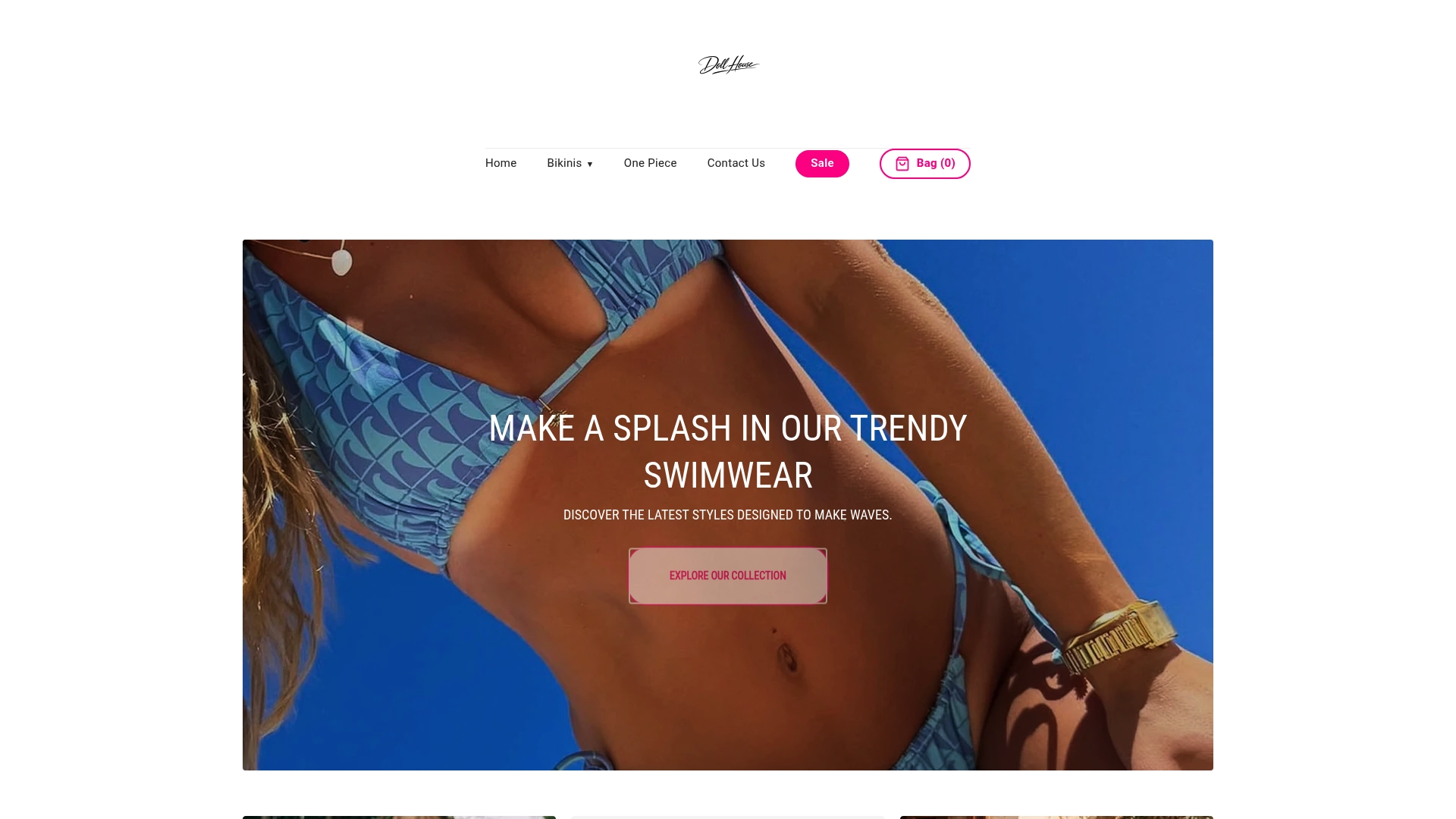
Filter the site by “micro” or “string” to pull up the smallest-coverage options, or browse the full swimsuit collection if you want something built for actual pool time. New to minimal coverage? Start with a convertible or string set rather than an adhesive piece, since adjustable ties are far more forgiving on a first try. Every order over $100 ships free, and the return policy covers sizing misses, which matters most on cuts this precise. If your plans call for something with more structure, the two-piece sets with jumpsuit coverups give you a bikini underneath and a layering option for the walk over. Browse the current styles, check the sizing guide against your measurements, and add your first pick to cart before the size you want sells out.
Where This Information Comes From

The coverage classifications and venue guidance in this article draw on Sports Illustrated Swimsuit’s breakdown of micro bikini trends, which covers where the style fits into contemporary swimwear culture. Historical context and designer adoption come from WWD’s reporting on the micro bikini’s rise in mainstream and luxury fashion. Construction details and terminology, including the use of adhesive and wire in extreme designs, come from the Wikipedia entry on microkinis, which offers a broader taxonomy of the style’s variations.
Sources
- What Is a Micro Bikini? The Tiny Trend That’s Redefining Swimwear
- Microkini — Wikipedia
- What is a micro bikini? The itsy-bitsy design taking fashion by storm — WWD