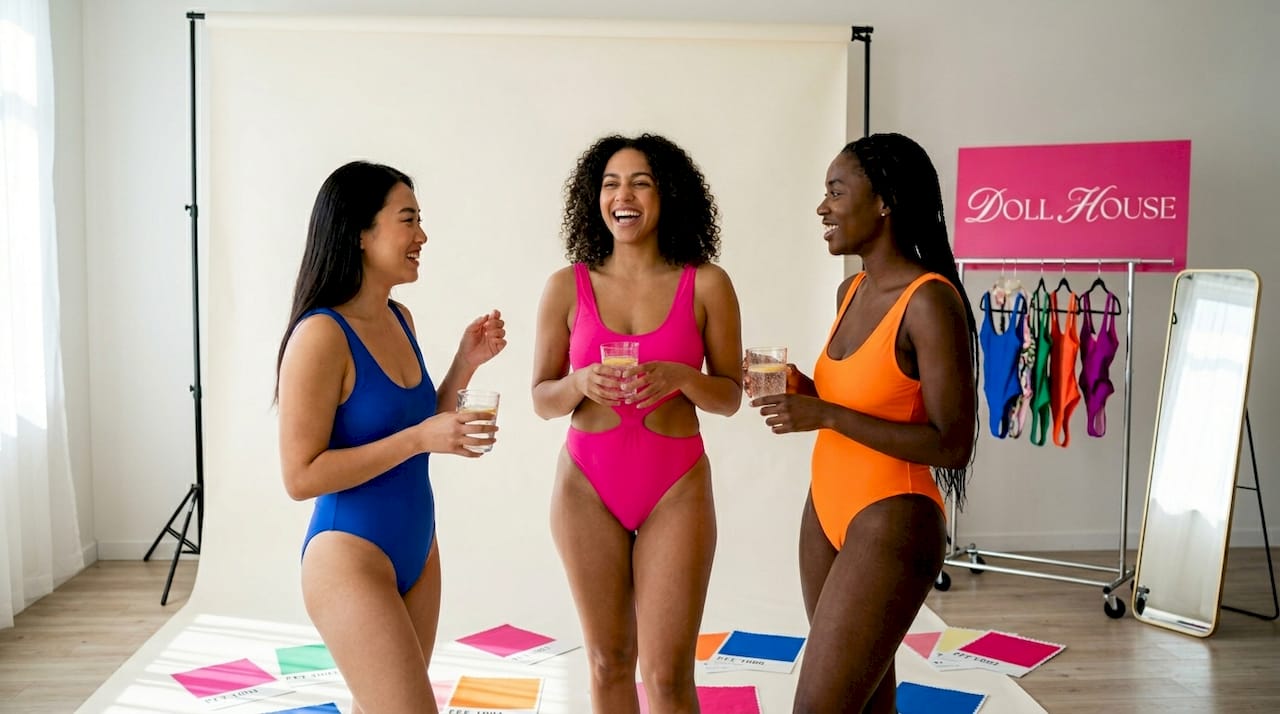
Most people assume a monokini is just another word for a one-piece swimsuit. That assumption misses the point entirely. Monokinis have a radical history rooted in social protest, a design identity built on bold cut-outs and connected silhouettes, and a modern revival that puts them at the center of body-positive fashion. This guide breaks down exactly what a monokini is, how it compares to bikinis and one-pieces, which styles suit different body shapes, and why 2026 is shaping up to be the biggest year yet for this iconic swimwear category.
Table of Contents
- What is a monokini? Definition and origins
- Monokini vs. bikini vs. one-piece: Key differences
- Style guide: Choosing a monokini for your body and occasion
- Monokinis in 2026: Why they’re a fashion must-have
- Why monokinis are redefining swimwear norms
- Shop hot monokinis and trendy swimsuits
- Frequently asked questions
Key Takeaways
| Point | Details |
|---|---|
| Monokini defined | A monokini is a bold, fashion-forward swimsuit featuring cut-outs and connected elements. |
| Distinct style | Its design blends bikini sexiness with more coverage and security than a classic one-piece. |
| Fit for summer | Monokinis are perfect for pool parties and beach trips, offering both confidence and flair. |
| Body-positive trend | Modern monokinis empower wearers by embracing body positivity and statement-making style. |
What is a monokini? Definition and origins
The word “monokini” sounds simple, but its story is anything but. To understand what a monokini actually is, you need to go back to 1964, when Austrian-American fashion designer Rudi Gernreich created one of the most controversial garments in fashion history.
Gernreich’s original monokini was a topless swimsuit. It featured a high-waisted bottom piece held in place by two thin straps that ran up the torso and over the shoulders. The top half? Completely bare. The design was not meant purely for the beach. It was a deliberate protest against social norms around women’s bodies and what they were allowed to show in public.
“Originally a topless protest piece sparking outrage (banned by Vatican, sold underground), modern monokinis represent body-positive fashion, blending bikini sexiness with one-piece security—perfect for trendy summer outings.”
The Vatican condemned the design. Several countries banned it outright. Department stores refused to stock it openly. And yet, despite all that controversy, the garment found its audience.
| Year | Development | Impact |
|---|---|---|
| 1964 | Original topless monokini launched | Vatican banned it; sold underground |
| 1960s–70s | Sold primarily in progressive markets | Became a symbol of women’s liberation |
| 1980s–90s | Cut-out one-pieces gain traction | Fashion bridges gap between protest and style |
| 2000s–2020s | Modern monokinis with full coverage | Mainstream adoption, body-positive branding |
| 2026 | High leg, halter neck, and bold print styles dominate | Summer must-have for trend-focused buyers |
The numbers from 1964 tell a surprising story. Despite the outrage, 3,000 units sold at $24 each, generating real commercial traction for a garment that most retailers refused to display openly. That figure proves demand existed even when social norms pushed back hard.
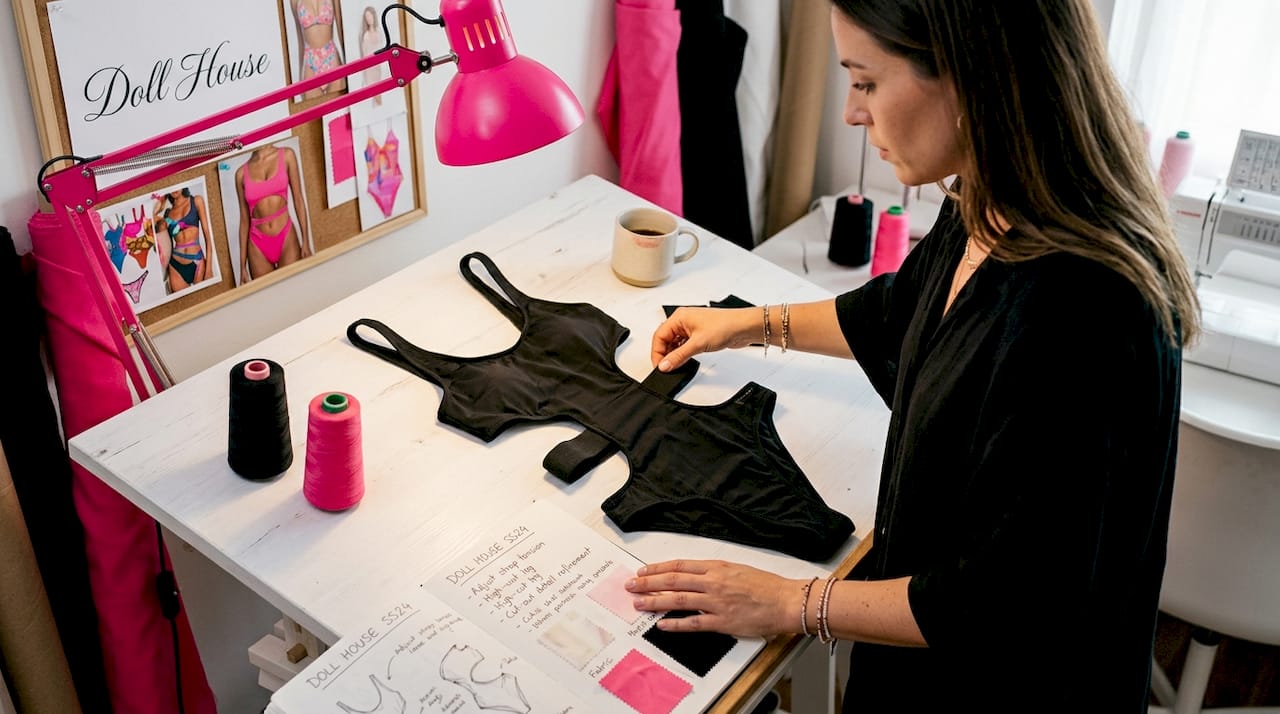
Today’s monokinis look nothing like Gernreich’s original design. Modern versions are connected one-piece style swimsuits featuring strategic cut-outs at the sides, waist, or chest. They offer more coverage than a bikini, less coverage than a traditional solid one-piece, and far more visual impact than either.
Monokini vs. bikini vs. one-piece: Key differences
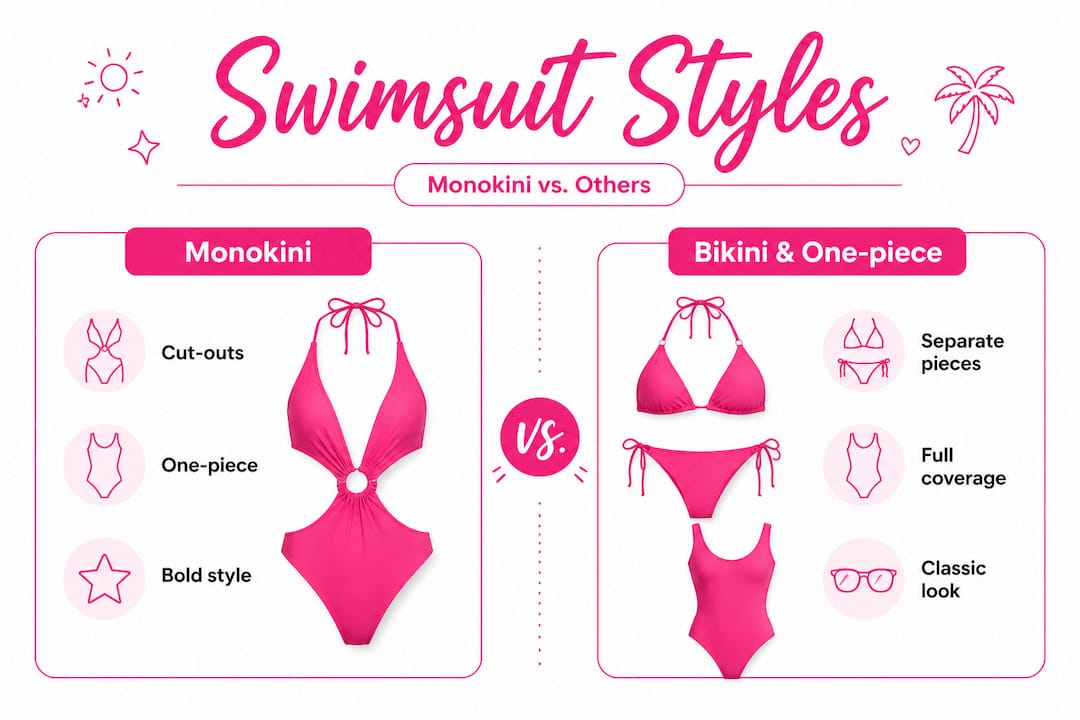
With the origins clear, it helps to see exactly how monokinis compare to the swimwear options most women already know well. The differences are significant, and understanding them makes choosing the right style much easier.
The core distinction comes down to coverage and construction. A traditional bikini consists of two fully separate pieces: a top and a bottom with no connecting fabric. A classic one-piece covers the entire torso with no gaps or cut-outs. A monokini sits between those two extremes. It is constructed as a single connected piece, but it incorporates cut-outs, mesh panels, or open sections that create a bolder visual profile than a standard one-piece.
| Feature | Bikini | Monokini | One-piece |
|---|---|---|---|
| Piece count | 2 separate | 1 connected | 1 solid |
| Coverage level | Low | Medium with cut-outs | High |
| Style impact | Casual to bold | Bold and statement-making | Classic and streamlined |
| Support options | Varies by top style | Built-in structure common | Full torso support |
| Movement flexibility | High | High with stretch fabric | Moderate |
| Occasion range | Beach, pool | Beach, pool, resort, festival | Beach, pool, sport |
The original 1964 design was rarely worn publicly due to the controversy it sparked. Today’s versions prioritize functionality, using 4-way stretch fabrics that move with the body and hold their shape even after extended water exposure. That shift from protest garment to performance-ready fashion piece defines what makes modern monokinis genuinely wearable.
Here is a clear breakdown of what to look for when comparing these three swimwear categories:
- Construction: Monokinis are always one connected piece. If a swimsuit has two fully separate pieces, it is a bikini, not a monokini.
- Cut-outs: Monokinis typically feature cut-outs at the sides, waist, or chest. No cut-outs usually means a standard one-piece.
- Coverage balance: Monokinis show skin strategically. The cut-outs frame the body rather than exposing it broadly.
- Fabric technology: Quality monokinis use 4-way stretch material for movement and shape retention.
- Style statement: Monokinis are designed to be noticed. They combine structure with boldness in a way that neither bikinis nor one-pieces do on their own.
Pro Tip: If you want the look of a bikini but the security of a one-piece, try the Summa monokini bodysuit. It delivers connected structure with side cut-outs that create the visual impact of separates.
For shoppers curious about how a modern take on the classic silhouette actually looks, the original monokini design at Doll House Bikinis shows how far this category has evolved from its 1964 roots while keeping that unmistakable boldness.
Style guide: Choosing a monokini for your body and occasion
Knowing how monokinis differ from other swimwear is useful. Knowing how to pick the right one for your specific shape and plans makes that knowledge actionable. This section covers exactly that.
Monokini styles range widely. Some feature minimal cut-outs at the sides for a subtle look. Others go bold with deep waist cut-outs, plunging necklines, or high leg openings that elongate the body. The right choice depends on your comfort level, your body shape, and where you plan to wear it.
By body shape:
- Hourglass figures suit most monokini silhouettes. Deep waist cut-outs highlight the natural curve ratio between hips and shoulders. High leg styles further elongate this shape.
- Pear-shaped figures benefit from halter neck monokinis. The wider neckline draws attention upward and balances hip width visually.
- Athletic or straight figures look great in monokinis with bold prints and side cut-outs. The visual detail creates the appearance of curves where they are less defined naturally.
- Curvy or plus-size figures do well with structured monokinis that include underwire or built-in padding. Side cut-outs can frame the waist without requiring a tight fit.
- Petite figures benefit from high leg monokinis. The higher cut at the hip creates the illusion of longer legs, a major visual advantage.
By occasion:
- Pool parties: Choose bold prints and high leg styles. These read as fashion choices rather than just swimwear.
- Beach vacations: Opt for practical fabrics that handle saltwater and sun exposure well. Neutral colors or classic black hold up visually over a full day.
- Resort wear: Halter neck monokinis transition easily from poolside to casual dining. Add a wrap skirt or sarong and the look extends beyond the beach.
- Festivals: This is where cut-out designs and metallic fabrics shine. A monokini works as a top when layered with high-waisted shorts or a skirt.
The modern monokini’s evolution from a topless design to a connected piece with cut-outs means there is now a style for nearly every occasion and comfort level. That range is part of what makes the category so relevant in 2026.
Pro Tip: For a versatile option that works at both the beach and a rooftop party, try the Monday swimsuit from Doll House Bikinis. Its clean lines and structured fit make it easy to style up or down.
Key details to look for when shopping monokinis include: halter necks for upper body support, high leg cuts for elongation, adjustable straps for a custom fit, lining in the cut-out areas for coverage and comfort, and chlorine-resistant fabric if pool use is the priority.
Monokinis in 2026: Why they’re a fashion must-have
The monokini’s surge in popularity did not happen overnight. It reflects a broader shift in how women approach swimwear: less focus on what is conventional, more focus on what is expressive, comfortable, and confidence-building.
Here is what is driving monokini demand in 2026:
- Body-positive branding: Fashion labels across the price spectrum are designing monokinis that work for a wider range of body types. The emphasis is on flattering structure rather than restrictive sizing.
- Social media visibility: Monokinis photograph well. The cut-outs create visual interest that bikinis and solid one-pieces often lack in photos. That makes them popular choices for resort and travel content.
- Versatility as a trend: Monokinis now appear in everything from high-fashion editorials to mainstream summer collections, signaling their move from niche to standard category.
- Fabric innovation: 4-way stretch materials, UV-protective coatings, and quick-dry technology make 2026 monokinis more functional than any previous generation.
- Color and print diversity: Bold tropical prints, minimalist black-and-white designs, and metallic finishes mean monokinis fit a wider range of personal aesthetics.
“Modern monokinis represent body-positive fashion, blending bikini sexiness with one-piece security—perfect for trendy summer outings.”
Stat callout: The original monokini sold 3,000 units in its first year despite being banned in multiple countries. Today’s designs face zero bans and benefit from global e-commerce access, making adoption dramatically faster and broader.
For shoppers who want something outside the standard bikini or one-piece category, options like the Leo Leo three piece show how swimwear brands are pushing design boundaries while keeping wearability central. Three-piece styles that pair with monokini-inspired bodysuits represent the next step in this evolution.
The 2026 monokini shopper is not just buying a swimsuit. She is making a statement about confidence, style awareness, and comfort with her own body. That makes the category more than a trend. It makes it a reflection of where fashion is heading overall.
Why monokinis are redefining swimwear norms
Here is an opinion that challenges the standard retail narrative: the swimwear industry spent decades underestimating how much women wanted bold, body-positive designs that were also genuinely comfortable.
The traditional model was simple. Bikinis for the fashion-forward. One-pieces for the conservative or the sporty. Everything else was a niche product. Monokinis did not fit neatly into either category, so they were treated as a specialty item rather than a core offering.
That framing was wrong. The demand was always there. What changed was not consumer preference. It was the industry’s willingness to meet women where they actually were: wanting swimwear that showed personality, fit well across different body types, and did not require choosing between looking good and feeling secure.
The original 1964 design was rarely worn publicly, but modern versions with 4-way stretch and functional coverage have removed that barrier entirely. The controversy is gone. The functionality is there. What remains is a design category that genuinely lets women express individuality without sacrificing comfort.
The real lesson from the monokini’s history is this: fashion that challenges norms survives when it also delivers real utility. Gernreich’s original piece was too provocative to wear casually. Today’s versions are wearable at the beach, at the pool, at the resort, and even styled as a bodysuit under outerwear. That range of use cases is what turned a protest garment into a mainstream staple.
Style confidence is not just about appearance. It comes from wearing something that fits well, moves with you, and reflects who you are. Monokinis deliver all three. That is why they are not going away anytime soon.
Shop hot monokinis and trendy swimsuits
Ready to find the right monokini for your summer plans? Doll House Bikinis carries a curated selection of bold, trend-forward styles across price points and silhouettes.
Start with The Original monokini for a clean, connected silhouette that works as a foundation style. For something with more coverage and a sporty edge, the long sleeve monokini offers UV protection and stretch performance in a single piece. If you want a complete coordinated set for a resort trip or pool day, the classy lady swimsuit delivers a multi-piece option that pairs perfectly with a monokini-style base. Orders over $100 qualify for free shipping, and new arrivals are updated regularly across all swimwear categories.
Frequently asked questions
How does a monokini differ from a one-piece swimsuit?
A monokini features bold cut-outs and connected designs that create more visual interest and show more skin than a traditional solid one-piece, while still functioning as a single garment.
Are monokinis suitable for all body types?
Yes. Monokinis come in varied styles and fits, with options designed for petite, curvy, athletic, and pear-shaped figures. Selecting the right cut-out placement based on body shape is the key to a flattering fit.
Can I wear a monokini for active swimming or water sports?
Modern monokinis often use 4-way stretch fabrics that support movement and hold their shape in water, making them suitable for many active uses, unlike the original 1964 design.
Are monokinis still considered controversial?
No. Monokinis have moved far from their topless protest origins and are now a mainstream swimwear category with broad mainstream acceptance and body-positive design messaging.
Recommended
- Modest Girl One Piece Swimsuit For Women - Monokini | Doll House
- Shell Pattern sexy three piece swimsuit - Bikini | Doll House
- Micro bikini - Micro bikini mint green | Doll House
- Micro bikini - Micro bikini set blue | Doll House
- Maya | Komfortabler Push-up Bikini mit optimaler Passform - Beiermode.de – Breuermode.de
- Maillot de bain une pièce monokini avec volants – Valetta.fr