
Value swimwear brands are defined as labels that deliver fully constructed, stylish suits at prices most shoppers can afford without sacrificing durability or fit. The case for choosing them is clear: well-constructed, fully lined suits regularly land between $25 and $45, a price point that makes refreshing your beach wardrobe each season genuinely practical. That range covers bikini sets, monokinis, and high-waisted styles with real construction quality. Understanding why choose value swimwear brands means looking past the price tag and examining what you actually get for your money.
Why choose value swimwear brands: what the price really buys you
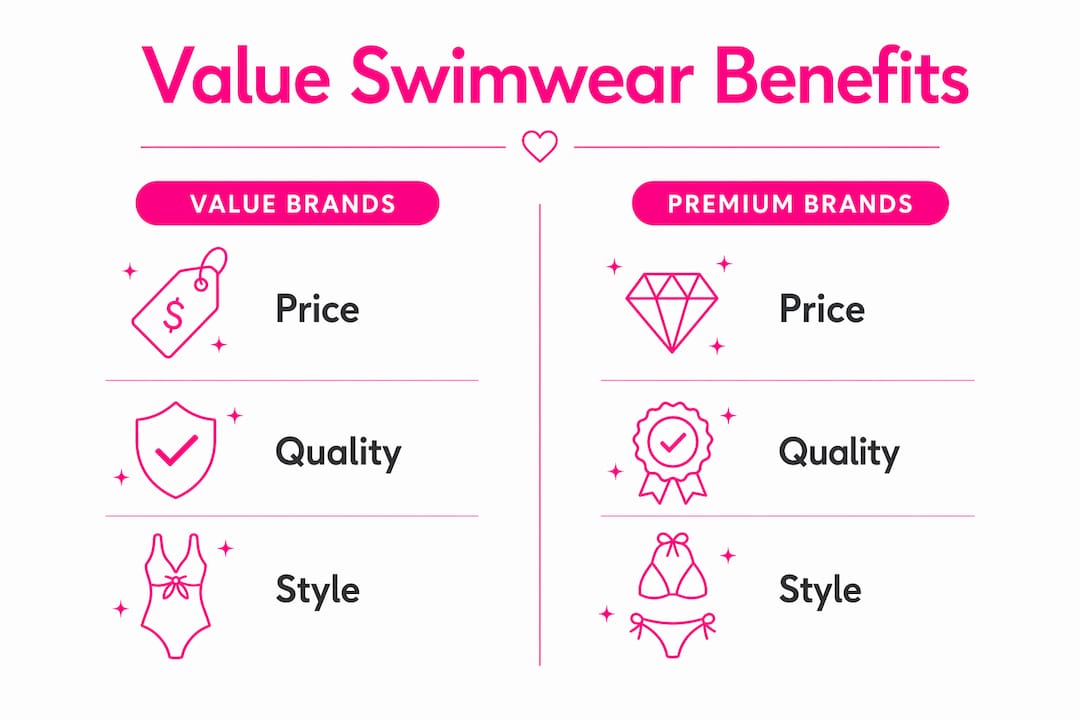
The biggest misconception about affordable swimwear is that a lower price means lower quality. That is not accurate. Higher-priced swimsuits often differ from mid-range options mainly in aesthetic features like limited-edition prints and branded hardware, not in functional construction. The core materials and build methods are frequently identical.
Value swimwear brands compete on fit, fabric, and finish. They skip the marketing overhead and celebrity endorsements that inflate premium prices. What you get instead is a suit built to perform in salt water and chlorine without falling apart after three uses.
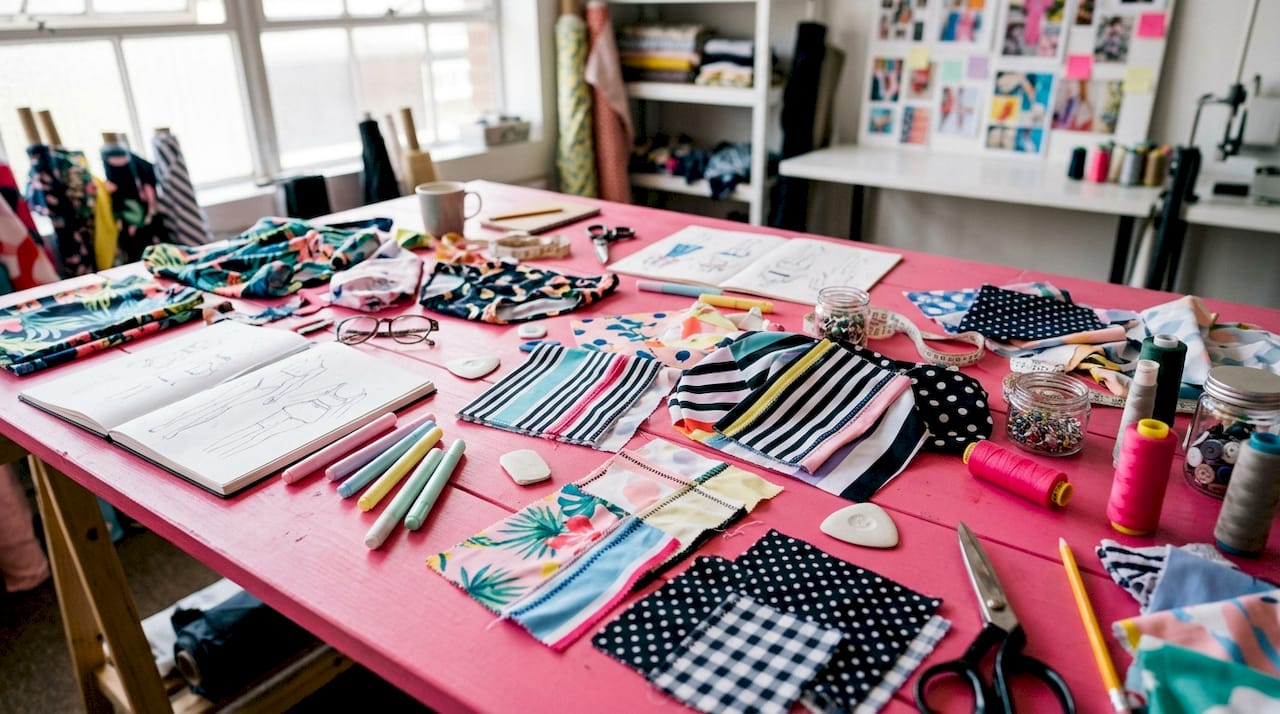
The industry term for this category is “mid-tier performance swimwear.” It sits between fast-fashion throwaway pieces and luxury designer labels. Knowing this helps you shop with a clearer filter. You are not buying cheap. You are buying efficiently.
What makes a value swimwear brand worth buying?
Fabric: the foundation of durability
Nylon-elastane and polyester-elastane blends stretch in multiple directions, dry quickly, and hold their shape over time. These are the fabrics to look for on any label. Nylon-elastane is softer against skin and handles sun exposure well. Polyester-elastane resists chlorine better, making it the stronger pick for pool use.
Avoid suits made from 100% polyester without elastane. They feel stiff, lose shape quickly, and offer poor stretch recovery. The fabric blend is the single fastest quality check you can do before buying.
Construction details that separate good from poor
Flatlock stitching, double-layer bottoms, lined cups, and reinforced closures are the construction details that define a durable, affordable suit. Flatlock stitching lies flat against the skin, reducing chafing during active use. Double-layer bottoms prevent transparency when wet. Lined cups hold shape without underwire digging in.
Reinforced closures matter most on tie-style tops and adjustable straps. A loose knot or a cheap slider buckle fails fast. Check these points on any suit before purchase.
- Flatlock stitching: Flat seams that reduce irritation and last longer under tension
- Double-layer bottoms: Opacity and structure that hold up after repeated washing
- Lined cups: Shape retention without rigid underwire
- Adjustable straps: Custom fit across different body types and bust sizes
- Reinforced closures: Tie backs and hook clasps that stay secure in active water use
Pro Tip: Flip the suit inside out before buying. If the lining is thin or the seams are overlocked rather than flatlock, the suit will not hold up past one season.
Design features that affect real-world comfort
Adjustable straps and removable padding give you control over fit. Affordable swimwear brands increasingly offer underwired cups and extended sizing as standard features, not premium add-ons. This shift means shoppers with fuller busts or shorter torsos can find proper support without moving into luxury price brackets.
Coverage level is a design choice, not a quality indicator. A micro bikini and a high-waisted one-piece can both be well-constructed. The right choice depends on your activity and comfort preference, not on which costs more.
How does budget planning for swimwear actually work?
Planned swimwear spending beats reactive buying every time. A household budgeting $175 to $350 for four people covering two suits each plus accessories can sustain use from may through september. Unmanaged spending on the same group regularly reaches $500 to $800. The difference is not income. It is timing and intention.
For individual shoppers, the math is simpler. Two well-chosen suits in the $25 to $45 range give you variety without overcommitting. One suit for active use, one for lounging, covers most beach and pool scenarios across a full season.
Mixing timeless styles with trend-aware pieces keeps your wardrobe current without constant replacement. A solid-color high-waisted bottom pairs with multiple tops. A reversible bikini doubles your options without doubling your spend.
Smart shopping habits that protect your budget
- Buy early in the season: Prices rise and size availability drops as summer peaks. Shopping in april or may gives you the best selection.
- Understand return policies: Online swimwear purchases carry return restrictions at many retailers. Read the policy before checkout.
- Choose mix-and-match separates: Tops and bottoms sold separately let you size each piece correctly and create more outfit combinations.
- Prioritize care over quantity: Two well-maintained suits outlast five neglected ones. Maintenance is part of the value equation.
A strategic budget paired with thoughtful purchasing reduces total swimwear costs while improving satisfaction. This is not about spending less. It is about spending right.
How to care for affordable swimwear to make it last
Fit is the first care decision you make. Confidence in wearing the suit is the ultimate value metric. A suit that fits poorly goes unworn, which means the price paid was wasted regardless of how low it was. Try suits on or use detailed size guides before committing.
Once you have the right fit, maintenance determines how long it stays that way. Affordable swimwear made from quality blends holds up well when cared for correctly. Neglect accelerates fabric breakdown faster than water exposure alone.
- Rinse immediately after use. Salt water and chlorine degrade elastane fibers quickly. A cold water rinse within an hour of leaving the water removes most chemical residue.
- Hand wash with mild soap. Machine washing, even on gentle cycles, stresses seams and stretches fabric. Use a small amount of gentle detergent and rinse thoroughly.
- Avoid wringing. Twisting a wet suit distorts the fabric shape. Press water out gently instead.
- Dry flat in shade. Direct sun exposure fades color and breaks down elastane. Lay the suit flat on a towel away from direct sunlight.
- Limit chlorine contact time. Rinse before entering a pool to reduce absorption. Chlorine saturates fabric faster when it is dry.
Pro Tip: Covering your suit with a rash guard or beach cover-up during extended sun exposure protects the fabric and extends its color life significantly.
Covering suits and limiting direct sun and chlorine contact are the two most overlooked care steps. Most shoppers focus on washing but ignore exposure management. Both matter equally for swimwear that lasts.
For travelers, choosing suits that pack flat and dry fast reduces wear from repeated folding and damp storage. Travel-friendly swimwear features like quick-dry fabric and compact design add practical value beyond the beach.
What other advantages do value swimwear brands offer?
Price and style are the obvious draws. The less obvious benefits are where value brands have quietly improved the most.
Mindful clothing brands in the fashion space increasingly prioritize ethical production and sustainable materials. Value swimwear brands follow this trend. Many now use recycled nylon or low-impact dyes without raising prices significantly. Shoppers who care about production ethics no longer need to pay premium prices to align their purchases with their values.
Fit inclusivity is another area of real progress. Extended sizing, adjustable hardware, and supportive cup options now appear across mid-tier price points. This is a direct value-added feature that benefits shoppers who previously had to pay more for proper fit.
“The best swimwear is the one that feels good and fits well. Price is irrelevant if you don’t wear it. A $30 suit you love and reach for every weekend delivers more value than a $150 suit that stays in the drawer.” — Industry expert consensus, Good Housekeeping
Brand transparency also matters. Value brands that publish sizing guides, clear return policies, and honest product descriptions build trust faster than premium brands that rely on image alone. Customer service responsiveness is a measurable advantage that costs nothing extra.
- Sustainable materials: Recycled nylon and low-impact dyes at accessible price points
- Extended sizing: Inclusive fit options without premium pricing
- Supportive construction: Underwired cups and adjustable straps as standard features
- Brand transparency: Clear sizing, honest descriptions, and accessible customer service
- Confidence return: Style freedom without financial pressure
Key Takeaways
Value swimwear brands deliver the same core construction quality as premium options at a fraction of the cost, making them the practical choice for any shopper who prioritizes both style and durability.
| Point | Details |
|---|---|
| Price does not equal quality | Suits priced $25–$45 match premium construction when built with nylon-elastane and flatlock stitching. |
| Fit is the real value metric | A suit that fits well and gets worn delivers more value than any price point alone. |
| Planned budgets cut costs significantly | Budgeting for swimwear seasonally can reduce total spending by more than half compared to reactive buying. |
| Care extends lifespan | Rinsing immediately, hand washing, and drying flat in shade preserves fabric and color across seasons. |
| Inclusivity is now standard | Extended sizing and supportive features appear across mid-tier brands without premium price increases. |
What I have learned from years of watching shoppers get this wrong
The most common mistake I see is buying on impulse at peak season. Shoppers pay full price in july for suits that are marked down 40% in may. The suit is the same. The timing is the only variable.
The second mistake is treating swimwear as disposable. A $35 suit rinsed after every use and dried flat can last two to three seasons. The same suit thrown wet into a bag and left in the sun deteriorates in weeks. The care habits matter more than the price.
I have also noticed that shoppers who focus on fit first, and price second, report higher satisfaction. This tracks with what industry experts consistently say: the best swimwear is the one you actually wear. A suit that fits your body and matches your activity level will always outperform a more expensive suit that does not.
Value swimwear brands have closed the gap on quality significantly in recent years. The construction details, fabric blends, and sizing options available at mid-tier prices today were exclusive to premium brands a decade ago. Shoppers who recognize this shift get the most out of their budget.
My honest recommendation: buy two suits per season, care for them properly, and choose based on fit before style. Style matters, but a great-looking suit that gaps at the chest or rides up constantly is not a good purchase at any price.
— Ryan
Stylish and affordable swimwear at Dollhousebikinis
Dollhousebikinis carries a full range of swimwear built for women who want style and durability without overspending. The catalog covers bikini sets, monokinis, high-waisted styles, and cover-ups, all designed for beach and pool wear.
The two-piece swimwear sets at Dollhousebikinis are a strong starting point for building a seasonal wardrobe. Orders over $100 ship free, which makes stocking up on mix-and-match separates a practical move. The beach cover-up collection rounds out a complete beach look at prices that fit a real budget. Dollhousebikinis also runs regular promotions and new arrivals, so checking back each season keeps your wardrobe current without a major spend.
FAQ
What is a value swimwear brand?
A value swimwear brand delivers fully constructed, stylish suits at accessible prices, typically $25–$45, using quality fabrics like nylon-elastane and construction details such as flatlock stitching and lined cups.
How do I know if affordable swimwear is good quality?
Check for nylon-elastane or polyester-elastane fabric blends, flatlock stitching, double-layer bottoms, and reinforced closures. These construction details indicate durability regardless of price.
How long does affordable swimwear last with proper care?
A well-constructed suit rinsed after each use, hand washed, and dried flat in shade can last two to three seasons. Chlorine and sun exposure are the primary causes of early breakdown.
Is it worth buying multiple affordable suits instead of one expensive one?
Two mid-tier suits in the $25–$45 range give you variety, a backup for active use, and the ability to rotate pieces, which extends the life of both suits compared to wearing one repeatedly.
Do value swimwear brands offer inclusive sizing?
Affordable swimwear brands increasingly offer extended sizing, adjustable straps, and underwired cup options as standard features, making proper fit accessible without moving into premium price brackets.