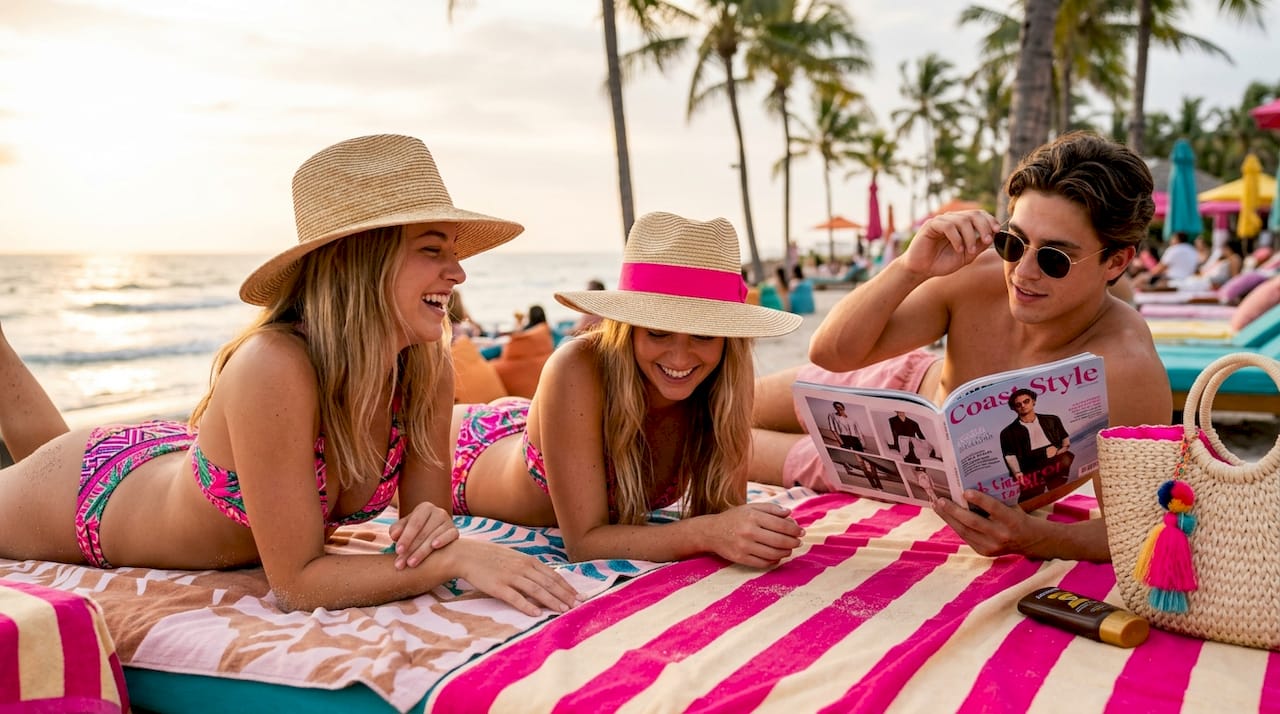
Bikinis are not popular simply because they show skin or because summer demands light clothing. The real story runs much deeper. Decades of film, fashion cycles, social media debates, and shifting body standards have all played a role in placing the two-piece swimsuit at the center of beach culture worldwide. Understanding why bikinis hold such lasting appeal means looking at pop culture history, trend mechanics, fit science, and the complex social forces that make bikinis both celebrated and contested at the same time.
Table of Contents
- Pop culture and mainstream acceptance: From scandal to style staple
- Fashion cycles and styling versatility: Why trends keep bikinis fresh
- Fit, coverage, and chic appeal: The anatomy of the modern bikini
- Social dynamics and controversy: The bikini’s cultural double-edge
- A fresh take: Beyond style, what really sustains bikini popularity
- Explore stylish bikinis for your next beach adventure
- Frequently asked questions
Key Takeaways
| Point | Details |
|---|---|
| Pop culture’s influence | Movies, magazines, and celebrity visibility made bikinis culturally mainstream. |
| Style and trend cycles | Ongoing fashion trends keep bikinis fresh and desirable among young adults. |
| Fit and coverage options | Modern bikinis offer flattering fits for diverse preferences and body types. |
| Social pressure and debate | Bikini culture is influenced by body-image concerns, empowerment, and controversy. |
| Versatility for lifestyle | Bikinis now function beyond swimwear, blending into everyday fashion looks. |
Pop culture and mainstream acceptance: From scandal to style staple
The bikini was not always accepted. When French designer Louis Réard introduced the modern two-piece in 1946, it was so controversial that no mainstream model agreed to wear it at its debut. A nude dancer from the Casino de Paris was recruited instead. Fast forward to today, and bikinis appear on virtually every magazine cover, streaming series, and Instagram feed connected to summer. That shift did not happen by accident.
Bikinis became widely mainstream through deliberate pop culture exposure, including films, songs, and magazine features, which helped move the style from scandalous to accepted. Films like Dr. No (1962), where Ursula Andress emerged from the ocean in a white two-piece, gave the bikini instant cultural currency. Brian Hyland’s 1960 hit “Itsy Bitsy Teenie Weenie Yellow Polka Dot Bikini” made the style a household topic in every American home.
Magazines accelerated the trend significantly. Sports Illustrated launched its Swimsuit Issue in 1964, and it became one of the most read issues in print history:
Sports Illustrated’s annual Swimsuit Issue turned the bikini into a mainstream American cultural symbol, with its reach extending far beyond sports audiences into fashion and pop culture.
Key pop culture moments that built bikini visibility:
- 1960s beach movies featuring stars like Annette Funicello in two-piece styles
- 1980s music videos on MTV that standardized poolside and beach aesthetics
- 1990s supermodel era where runway looks crossed over into swimwear
- 2000s celebrity tabloid culture and paparazzi beach shots
- 2010s to present: Instagram, TikTok, and influencer content keeping bikinis front and center year-round
Today, celebrity endorsements and social media collaborate to create constant bikini visibility. A single post from a high-profile figure can move thousands of units within hours. Social platforms have also democratized this exposure, meaning micro-influencers and everyday users now contribute to trend cycles just as much as major celebrities. For practical bikini outfit ideas, the cultural conversation feeds directly into styling choices consumers make each season.
Fashion cycles and styling versatility: Why trends keep bikinis fresh
Cultural acceptance alone does not explain why bikinis remain popular year after year. Fashion cycles play an equally important role. The swimwear industry, much like the broader fashion industry, operates on seasonal trend rotations. Designers, retailers, and buyers respond to signals from runway shows, street style, and consumer feedback to generate new bikini collections each year.
Streamlined silhouettes, bold prints, and beach-to-lifestyle versatility are among the key trend drivers sustaining bikini popularity for fashion-forward young adults heading into 2026. The “beach-to-lifestyle” concept, meaning swimwear styled with shorts, cover-ups, or accessories for non-beach settings, has expanded the bikini’s relevant occasions significantly.
Current trend categories driving demand:
- Minimalist styles: Clean lines, neutral colors, and simple cuts that appeal to a wide buyer base
- Bold prints: Animal prints, tropical patterns, and geometric designs for statement looks
- High-waisted bottoms: Retro-inspired silhouettes that offer more coverage without sacrificing style
- Cut-outs and asymmetry: Design details that add visual interest to classic two-piece formats
- Crochet and texture: Tactile details that photograph well and add dimension to beach looks
Pro Tip: Watch runway swimwear collections in January and February. The styles shown in those months typically appear in mass retail by April, giving you a two-month window to identify trends before summer shopping peaks and sizes sell out.
The comparison below shows how bikinis stack up against alternative swimwear for fashion and function:
| Swimwear type | Trend adaptability | Coverage range | Styling versatility | Price range |
|---|---|---|---|---|
| Bikini sets | High | Low to medium | High | $30 to $200+ |
| Monokinis | Medium | Medium | Medium | $40 to $150 |
| One-piece swimsuits | Medium | Medium to high | Medium | $45 to $180 |
| Cover-ups | Low | High | High | $20 to $120 |
The table shows that bikinis lead in trend adaptability and styling versatility, which explains why fashion-conscious buyers return to them repeatedly. Exploring guides on buying trendy bikinis or reading about current swimwear trends can help narrow choices before shopping.
Fit, coverage, and chic appeal: The anatomy of the modern bikini
Beyond trends and culture, practical fit factors drive consistent bikini sales. Modern bikini construction has advanced significantly from the minimal sewing of early designs. Today’s options include underwire support, removable padding, adjustable hardware, ruching, and structured banding, all engineered to address fit concerns across many body types.
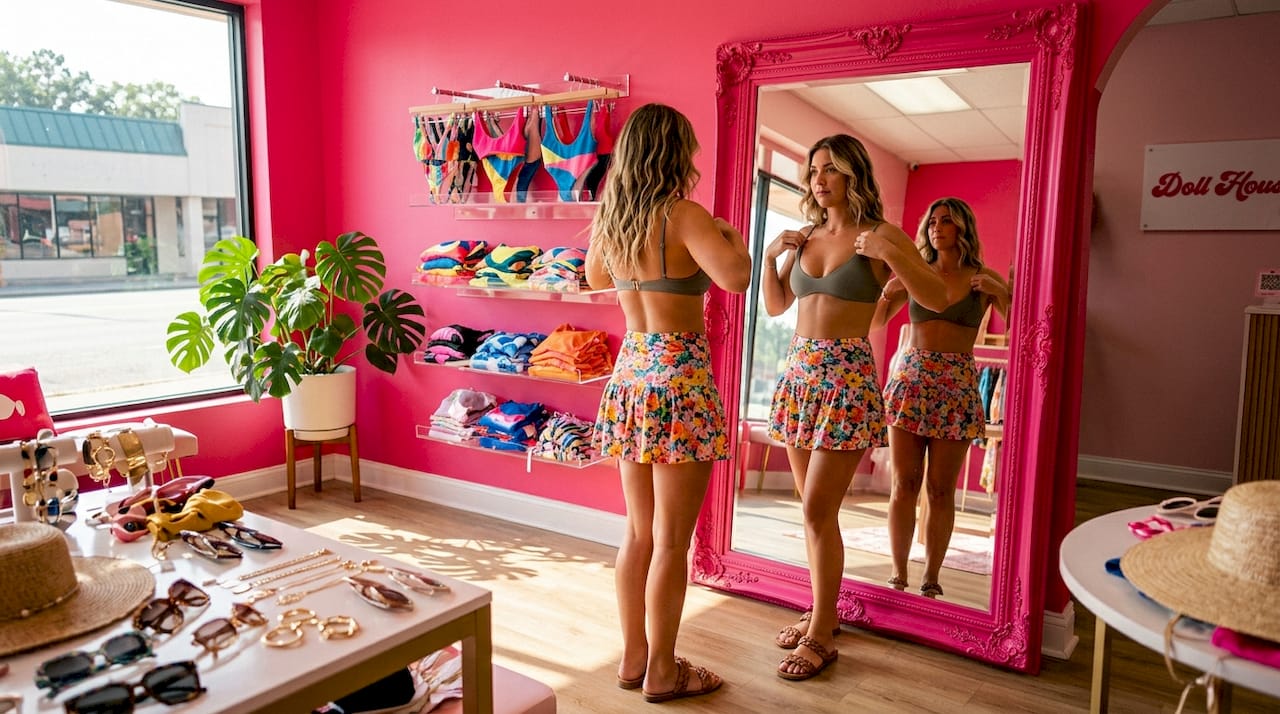
Bikinis are popular in part because they offer a wide range of coverage and fit options that can appear both flattering and stylish, helping them compete effectively with more covered swimwear styles. High-waisted bottoms, for instance, gained major market share by addressing coverage preferences while still reading as fashion-forward rather than purely functional.
Popular bikini fit options and their key characteristics:
| Fit type | Coverage level | Best for | Trend status |
|---|---|---|---|
| Triangle top | Low | Minimal tan lines, beach volume | Classic and evergreen |
| Bandeau | Low to medium | Strapless looks, backless styling | Cyclically popular |
| Halter neck | Medium | Bust support, defined silhouette | Consistently popular |
| High-waisted bottom | Medium to high | Tummy coverage, retro aesthetics | Strong in 2026 |
| Micro bikini | Very low | Minimal coverage, fashion-forward | Niche but growing |
| Full coverage bottom | High | Comfort-focused, active swimming | Steady demand |
Factors that create chic appeal across fit types:
- Color selection: Solid neutrals for minimalist looks; saturated brights for statement styling
- Silhouette proportion: Balancing top and bottom volume to flatter individual body shape
- Hardware and detailing: Gold rings, shell embellishments, and tie closures add visual interest
- Fabric quality: Matte textures, ribbed knits, and iridescent materials read as premium
- Accessory pairing: Cover-ups, sarongs, and jewelry extend bikini styling beyond the waterfront
Pro Tip: Mix and match separate bikini tops and bottoms in different sizes. Many buyers wear one size on top and a different size on the bottom, and retailers offering separates allow for a more precise, flattering fit. This approach is especially useful when shopping one-piece vs. bikini options, since the flexibility of separates is a key bikini advantage.
Building a collection also helps. Rather than buying a single swimsuit, many fashion-forward buyers invest in a few versatile pieces across coverage levels. A guide to building a bikini wardrobe can help identify which types of pieces work together across different beach and poolside settings.
Social dynamics and controversy: The bikini’s cultural double-edge
No honest analysis of bikini popularity skips the social tension. Bikinis exist at the intersection of empowerment and pressure, visibility and scrutiny. The same garment that represents body confidence for one person can represent anxiety for another.
Social pressure and body-image dynamics are a major driver of why bikinis remain so culturally significant, even when many people feel insecure wearing them. Survey data consistently shows that a large percentage of women report feeling self-conscious at the beach, with specific concerns about how their bodies look in minimal coverage clothing. The bikini is the focal point for these concerns precisely because of its visibility.
Women don’t get larger, don’t get older, don’t have fun, don’t dare to wear a bikini. The message from media and advertising has often been restrictive, enforcing narrow ideas about who gets to participate in beach culture.
This perspective from cultural commentary in The Guardian captures a real tension in bikini culture: it is simultaneously promoted as liberating and used to reinforce appearance-based expectations.
Major social controversies connected to bikini culture:
- Body standards and the “beach body” concept: Marketing language around bikinis has historically excluded larger, older, or non-normative bodies, creating barriers to participation rather than openness.
- Fatphobia and appearance policing: Online and offline scrutiny of which bodies are “appropriate” in swimwear continues to be a documented issue, particularly on social media platforms where appearance is highly visible.
- Empowerment narratives vs. commercial interests: Brands promoting body positivity through bikini campaigns have faced criticism for using inclusive language while maintaining narrow product size ranges.
- Cultural and religious dress codes: In some communities, bikinis conflict with modesty standards, raising questions about who beach culture is designed for and whose norms it centers.
- Age discrimination: Older women wearing bikinis frequently face public commentary that younger women do not, revealing age-based double standards embedded in bikini culture.
The emergence of body-positive swimwear categories represents a direct response to these dynamics. Monokinis and inclusive sizing options have grown specifically because buyers want options that reflect a wider range of bodies and preferences. The controversy is not separate from bikini popularity. It is part of what makes bikinis so consistently discussed and culturally relevant.
A fresh take: Beyond style, what really sustains bikini popularity
Most coverage of bikini trends focuses on aesthetic details: the print of the season, the silhouette that is having a moment, the celebrity who made a certain style go viral. That framing misses something important.
Bikini popularity is sustained by a feedback loop. Media creates visibility. Visibility creates demand. Demand drives fashion investment. Fashion investment produces new designs. New designs generate more media coverage. The cycle repeats. This is not unique to bikinis, but it operates more intensely here because of how charged the garment is socially.
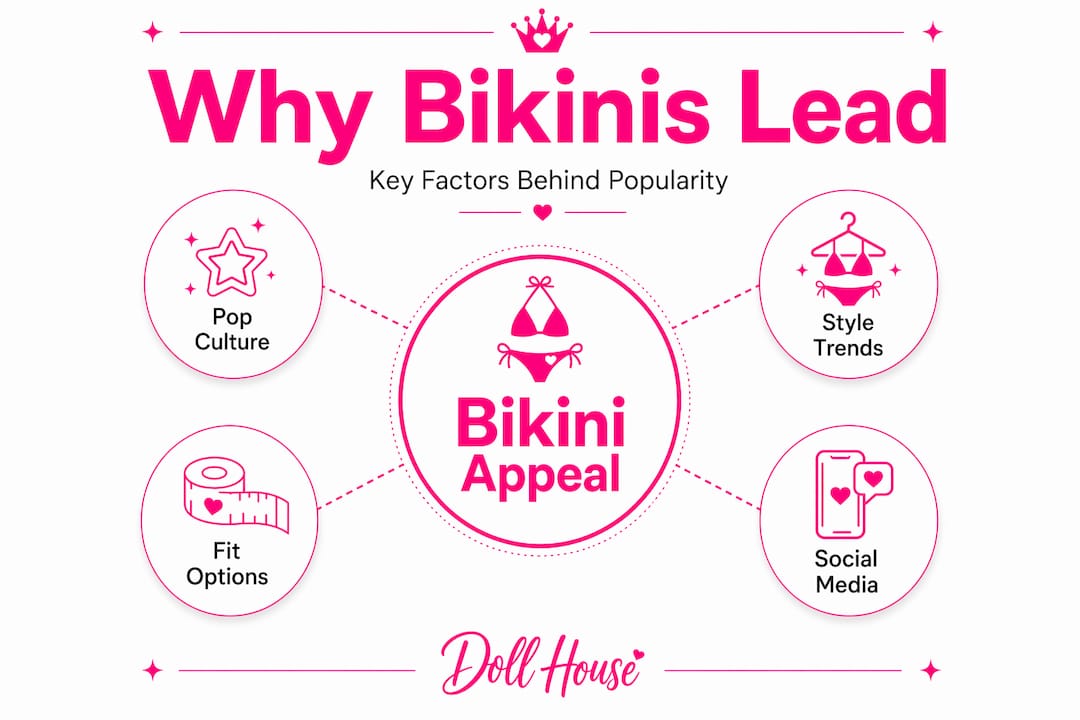
The empowerment and pressure aspects do not cancel each other out. They coexist, and that tension is actually what keeps bikinis in public conversation. A garment that was purely functional would not generate this level of ongoing debate. A garment that was purely scandalous would fade. Bikinis occupy a middle ground where they are simultaneously normalized and contested, and that position is what makes them culturally durable.
Pro Tip: When selecting a bikini, prioritize how it fits your body over which style is trending. Trend-driven designs cycle out in one to two seasons. A well-fitted piece that you feel confident in will get significantly more wear and deliver more value over time.
Understanding triangle bikinis explained is one example of how digging into a specific style helps buyers make decisions based on actual fit and function rather than trend pressure alone. True style confidence comes from knowing your options, not from following every seasonal shift.
Explore stylish bikinis for your next beach adventure
Ready to put this into practice? Finding bikinis that balance current trends, good fit, and quality construction makes the shopping process faster and more satisfying.
Start with proven styles like the original swimsuit, a core option designed for clean lines and consistent fit. For buyers seeking more coverage with a fashion-forward look, the high-waisted V-neck ruched bikini set delivers retro-inspired shaping with waterproof fabric. Doll House Bikinis offers a range of sets, separates, and high-waisted styles built for both trend-aware and comfort-focused buyers. Free shipping applies to orders over $100.
Frequently asked questions
What makes bikinis more fashionable than other swimwear?
Bikinis allow for versatile styling, trend-driven designs, and a balance of coverage and chic appeal. Streamlined silhouettes and beach-to-lifestyle versatility make them more adaptable than most other swimwear categories.
Do bikinis suit all body types?
Yes, modern bikinis offer a wide range of fits including high-waisted styles and support-focused designs. Coverage and fit tradeoffs across different bikini categories mean there are genuinely flattering options for many body shapes.
Why do some people feel anxious wearing bikinis?
Social pressure and body-image dynamics influence bikini culture significantly, making many people feel insecure despite widespread empowerment messaging and increased visibility of diverse bodies in swimwear.
Are bikinis only popular because of media exposure?
Media plays a major role, but pop culture exposure alone does not explain lasting appeal. Trend cycles, fit innovations, body-positive conversations, and ongoing social debate all contribute to sustained bikini popularity.
How have bikini trends changed for 2026?
Current trends highlight minimalist silhouettes, bold prints, and pieces designed to move from beach settings into everyday styling. Swimsuit trends for 2026 show clear movement toward versatile, lifestyle-ready designs rather than purely beach-specific looks.
Recommended
- How to Buy Trendy Bikinis: A Step-by-Step Guide for 2026 | News - Doll House
- Triangle Bikinis Explained: Stylish Swimwear Options & Trends | News - Doll House
- Monokinis: Trendy swimwear with bold, body-positive appeal | News - Doll House
- Trendy swimwear styles: Examples, tips, and buying guide | News - Doll House