
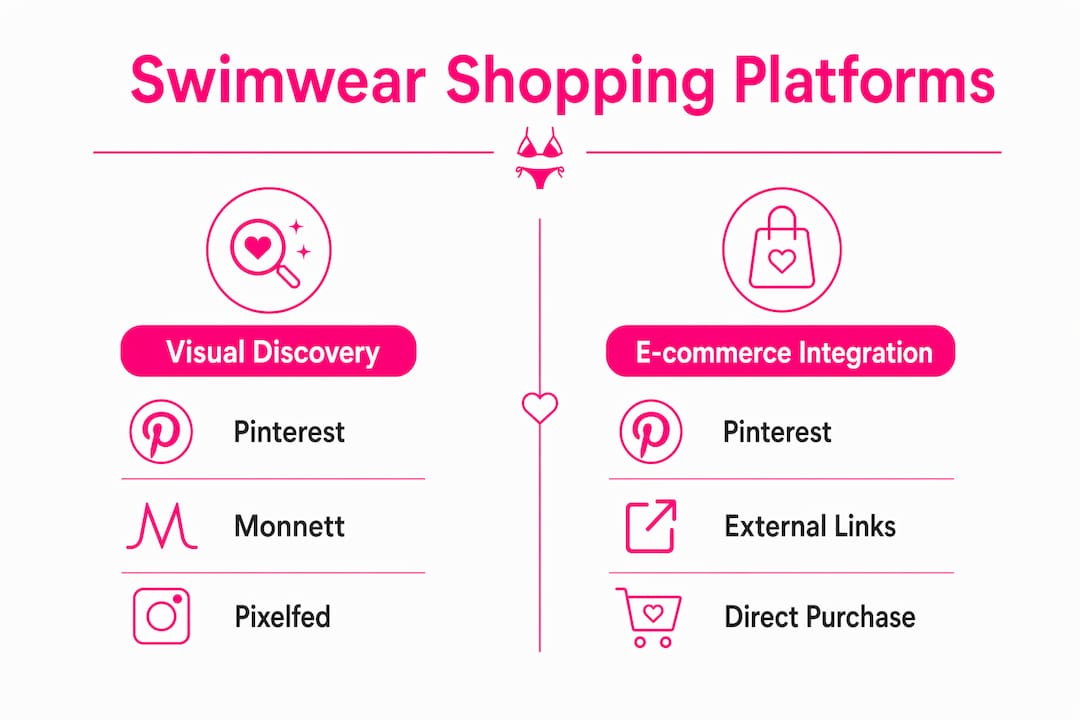
The best instagram.com alternatives for swimwear shopping are Pinterest, Monnett, Pixelfed, Roll, and platforms built on AT Protocol such as Flashes and Pinksky. Each solves a specific problem Instagram no longer handles well: ad overload, opaque algorithms, and data collection. For swimwear shoppers, these platforms offer cleaner product discovery, privacy controls, and communities built around genuine sharing rather than sponsored content.
Key platforms at a glance:
- Pinterest — visual search engine with strong shopping tools and trend discovery
- Monnett — chronological feed, no algorithm, European privacy standards
- Pixelfed — open-source, ActivityPub-based, ad-free photo sharing
- Roll — weekly photo drops, no infinite scroll, mutual connections only
- Flashes — AT Protocol app, decentralized, syncs with Bluesky
- Pinksky — photo-first Bluesky client with Stories support
Pro Tip: No single platform replaces Instagram’s full reach. Use two or three together: Pinterest for discovery, Monnett or Pixelfed for community, and Roll for authentic sharing.
Trusted sources including TechCrunch, Metricool, and Dollhousebikinis confirm this multi-platform approach as the most practical path forward for shoppers tired of Instagram’s ad-heavy feed.
Table of Contents
- What types of Instagram alternatives work best for swimwear shoppers?
- How to apply a platform-mix strategy for swimwear shopping
- What mindset shift does moving away from Instagram require?
- Dollhousebikinis’ perspective on finding stylish swimwear beyond Instagram
- How to evaluate seller and influencer credibility on these platforms
- How interface differences affect swimwear discovery
- Which alternatives connect to e-commerce and payment tools?
- Key Takeaways
What types of Instagram alternatives work best for swimwear shoppers?
Instagram alternatives fall into three clear categories, and knowing the difference saves time.
Visual discovery engines (Pinterest)
- Function as both search engine and social platform
- Surface content months or years after posting, ideal for trend-driven categories like swimwear
- Pinterest referral clicks to external websites grew 55.10% from 2023 to 2024, making it one of the strongest platforms for driving actual purchases
- Shopping-friendly with board organization, product pins, and direct links to retailer pages
Decentralized, privacy-first platforms (Pixelfed, Monnett)
- Built on open protocols like ActivityPub, giving users full data control
- Chronological feeds with no algorithm deciding what gets buried
- Zero targeted advertising; Pixelfed is fully open-source
- Monnett stores data in Germany under strict EU privacy law
Anti-algorithmic sharing apps (Roll, Flashes, Pinksky)
- Remove infinite scroll, public like counts, and follower pressure
- Roll limits users to 24 blind shots per week, shared as a curated Sunday grid
- Flashes and Pinksky run on AT Protocol, syncing content directly with Bluesky
- Better for authentic community building than product discovery
For swimwear shopping specifically, visual discovery engines lead on shopping utility. Anti-algorithmic apps offer higher-quality engagement but fewer built-in commerce tools.
How to apply a platform-mix strategy for swimwear shopping
No single app replaces Instagram’s full feature set. The practical solution is a platform-mix: two or three apps, each doing what it does best.
- Pinterest for trend spotting. Search “floral bikini sets” or “high-waisted swimwear 2026” and Pinterest surfaces results from across the web, not just accounts you follow. Boards let you save and organize looks before buying.
- Monnett or Pixelfed for community. Follow niche swimwear sellers and independent brands. Posts appear in order, so nothing gets buried. Sellers here tend to be smaller, more transparent, and more responsive.
- Roll for close-circle sharing. Share your own beach looks with friends without performing for an algorithm. Connections are mutual only, which filters out spam and fake accounts.
Using multiple platforms also protects against sudden policy changes or account loss. If one platform shifts direction, your shopping network stays intact elsewhere.
Pro Tip: Schedule Pinterest saves and Monnett follows on the same day each week. Treating platform browsing as a focused session rather than passive scrolling cuts ad fatigue and surfaces better results.

What mindset shift does moving away from Instagram require?
Switching to intentional sharing platforms means moving away from performance metrics: likes, follower counts, and reach numbers stop being the measure of a good post.
- Stop optimizing for engagement. On Roll, appreciations are capped at five per week and kept private. On Pixelfed, there are no sponsored posts competing for attention.
- Post less, curate more. Roll’s weekly grid format encourages selecting your best shots rather than posting daily for visibility.
- Expect slower discovery. Decentralized platforms build audiences gradually, but the engagement tends to be more genuine.
- Evaluate sellers differently. Without algorithmic amplification, accounts that grow on Monnett or Pixelfed do so through consistent, quality content rather than paid promotion.
This shift benefits swimwear shoppers directly. Sellers on ad-free platforms have less incentive to exaggerate product quality, and community feedback tends to be more honest. For community-driven shopping, that authenticity matters.
Dollhousebikinis’ perspective on finding stylish swimwear beyond Instagram
Dollhousebikinis recommends matching the platform to the shopping task. Pinterest works for broad inspiration: search by style, color, or cut and save options to a board before committing. For buyers who want to vet a seller’s authenticity, ad-free platforms with chronological feeds make it easier to review a seller’s full posting history without sponsored content cluttering the view.
Privacy matters in swimwear shopping too. Platforms that do not build behavioral profiles mean browsing a bikini collection does not follow shoppers across the internet for weeks. Pixelfed and Monnett both meet this standard.
- Check seller post history: consistent, dated posts over time signal a real operation
- Look for community comments, not just likes
- Prefer platforms with transparent moderation policies
Pro Tip: Pair platform discoveries with Dollhousebikinis’ swimwear blog for trend context. Cross-referencing what you find on Pinterest or Monnett with a trusted retailer’s editorial view helps filter trend from fad.
How to evaluate seller and influencer credibility on these platforms
On Instagram, follower count and sponsored badges signal reach, not trustworthiness. On alternative platforms, different signals apply.
Chronological feeds on Monnett and Pixelfed let shoppers scroll a seller’s full history in order. Gaps in posting, sudden style shifts, or a flood of product-only content without community interaction are easy to spot. On Roll, connections are mutual only, which means accounts with large followings earned them through reciprocal relationships rather than paid growth.
Platform moderation also varies. Open-protocol platforms like Pixelfed rely on instance-level moderation, so the quality of oversight depends on which server hosts the account. Checking an instance’s stated rules before following a seller is a practical step most shoppers skip. For ecommerce credibility, transparency in posting history and community response remains the clearest indicator.
How interface differences affect swimwear discovery
Pinterest’s grid and search bar make it the closest to a traditional shopping experience. Typing a style term returns visual results ranked by relevance and save count, not by who paid for placement. Boards function like a personal catalog.
Pixelfed’s interface mirrors Instagram’s layout but defaults to a chronological feed. Discovery happens through hashtags and the local timeline of a chosen instance. Roll’s interface is intentionally minimal: one weekly grid per friend, no explore tab, no trending section. Flashes and Pinksky offer familiar photo-grid layouts with Bluesky integration, making them accessible for shoppers already on that network.
For swimwear shopping, Pinterest’s search-first design gives it a clear advantage in product discovery. Decentralized platforms reward patience and community building over quick browsing.
Which alternatives connect to e-commerce and payment tools?
Pinterest has the strongest e-commerce integration of any platform on this list. Product pins link directly to retailer pages, and Pinterest’s business tools support catalog uploads, shopping ads, and conversion tracking. For brands like Dollhousebikinis, a two-piece swimsuit or floral cover-up can be pinned with a direct purchase link.
Pixelfed and Monnett do not offer native shopping or payment tools. Sellers on these platforms typically link to external storefronts in their profile bio. Roll has no commerce features by design. Flashes and Pinksky are early-stage and currently lack shopping integrations, though Flashes plans to add premium subscription features as it grows.
For shoppers who want a direct path from discovery to purchase, Pinterest remains the most capable option. For those prioritizing privacy and community over convenience, Pixelfed and Monnett require an extra step but deliver a cleaner experience overall. Exploring swimwear alternatives across multiple platforms gives the most complete picture of what is available beyond Instagram.
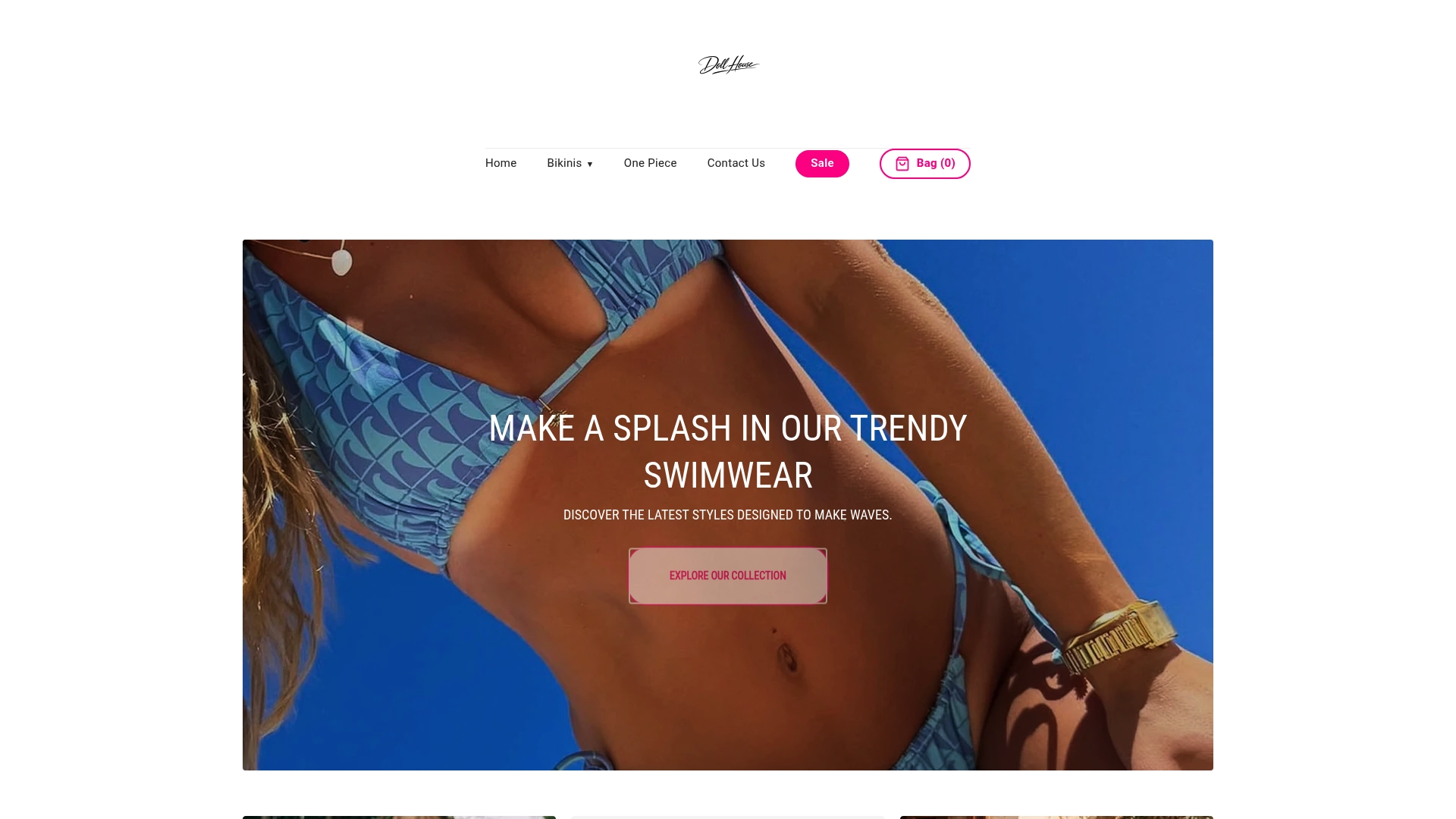
Shop Dollhousebikinis’ full collection of bikini sets and original swimsuits directly, with free shipping on orders over $100.
Key Takeaways
The most effective approach to finding stylish swimwear beyond Instagram combines Pinterest for visual discovery, Monnett or Pixelfed for privacy-first community, and Roll for authentic close-circle sharing.
| Point | Details |
|---|---|
| Platform-mix beats single-app | No one platform replaces Instagram; two or three specialized apps together cover discovery, privacy, and community. |
| Pinterest leads on shopping tools | Pinterest referral clicks to external sites have risen significantly recently, making it a leading commerce option. |
| Privacy varies by platform type | Pixelfed and Monnett collect no behavioral data; Roll and Flashes are ad-free but have fewer privacy disclosures. |
| Seller credibility reads differently | Chronological feeds on Monnett and Pixelfed make full posting history visible, a cleaner trust signal than follower count. |
| E-commerce integration is limited | Only Pinterest offers native shopping links; other alternatives require linking to external storefronts. |